

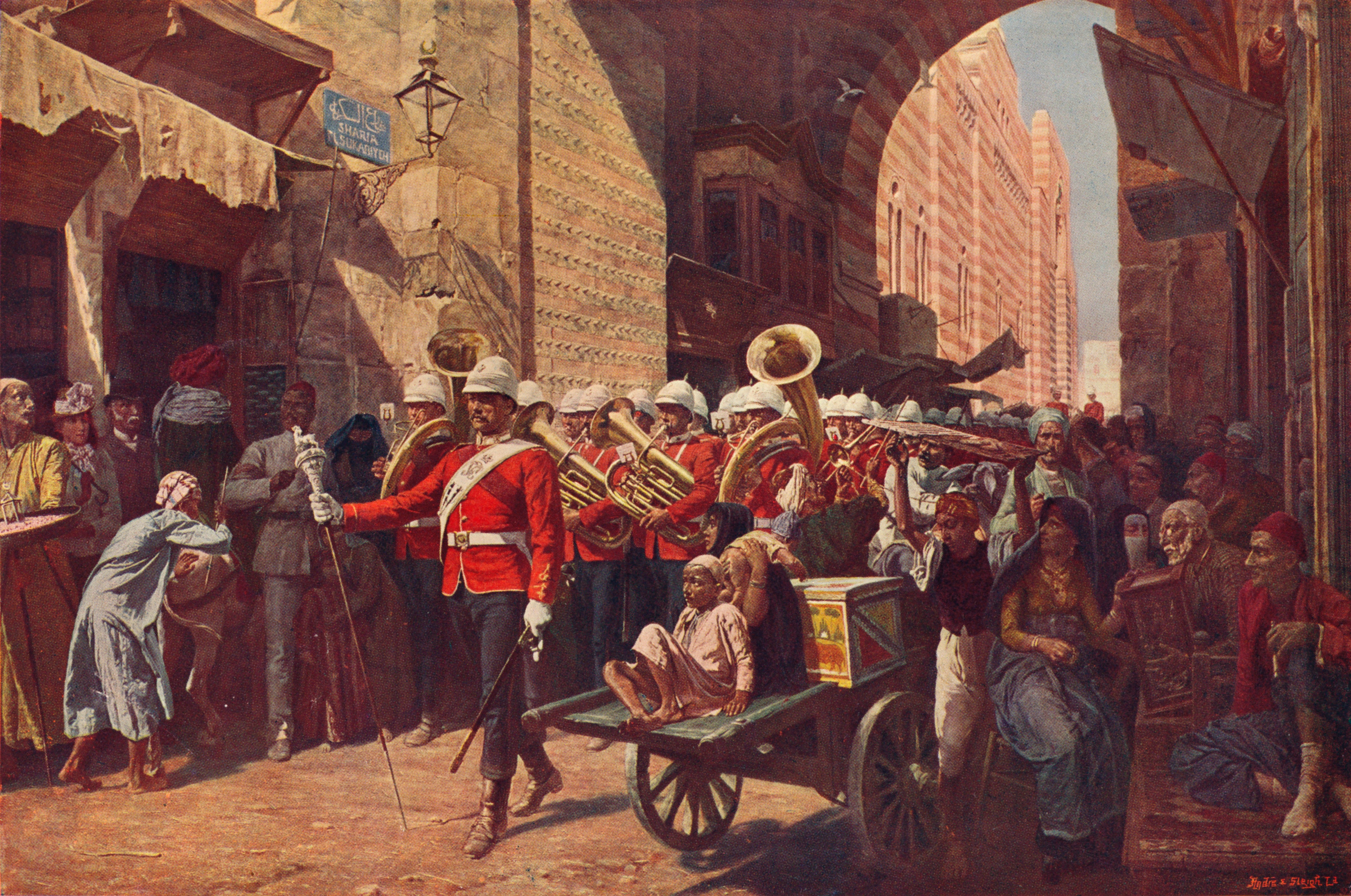
Every great civilization eventually reaches a point where its power remains visible, but its foundations begin to erode.
Fiscal strain, social fragmentation, and declining confidence in leadership signal that the empire’s contraction has arrived. The military commander and writer John Glubb argued that empires often pass through predictable stages: from expansion and confidence to wealth, complacency, and eventual decline.
But history also offers another lesson. Sometimes decline is not the end. Occasionally, a leader emerges that manages to stabilize things — sometimes even reverse the downward trend. Figures like Augustus and Alfred the Great inherited power facing real crises. Yet through a mix of discipline and reform, they managed to buy their civilizations decades (or even centuries) more life.
Here’s how a leader facing a failing empire can reverse the decline…
Reminder: You can support us in forming minds and rebuilding the West by unlocking our members-only content:
✔️ Full premium articles every Tuesday + Free content Thursdays
✔️ The entire archive: Western history, literature, and culture
✔️ The Great Books lists (Hundreds of titles that influenced Western thought)
Join to start reading and support the mission today 👇
Restore Virtue
To save an empire, it first needs to be worth saving. That comes by instilling a sense of virtue in the culture again. At the point that the empire is crumbling already, it’s well into the Age of Decadence according to Glubb, where there is wealth without sacrifice, rights without duty, and spectacle in place of achievement.
If we look back to Rome, Augustus inherited a world exhausted by civil war. At the root of the issue was moral and civic decay. In response, August promoted the formation of families, a religious revival, a rededication to public duty, and military discipline. All fronts worked to remake the culture of Rome into one of decency, respect, and order. The result was the famed Pax Romana — an era of general peace in the empire.
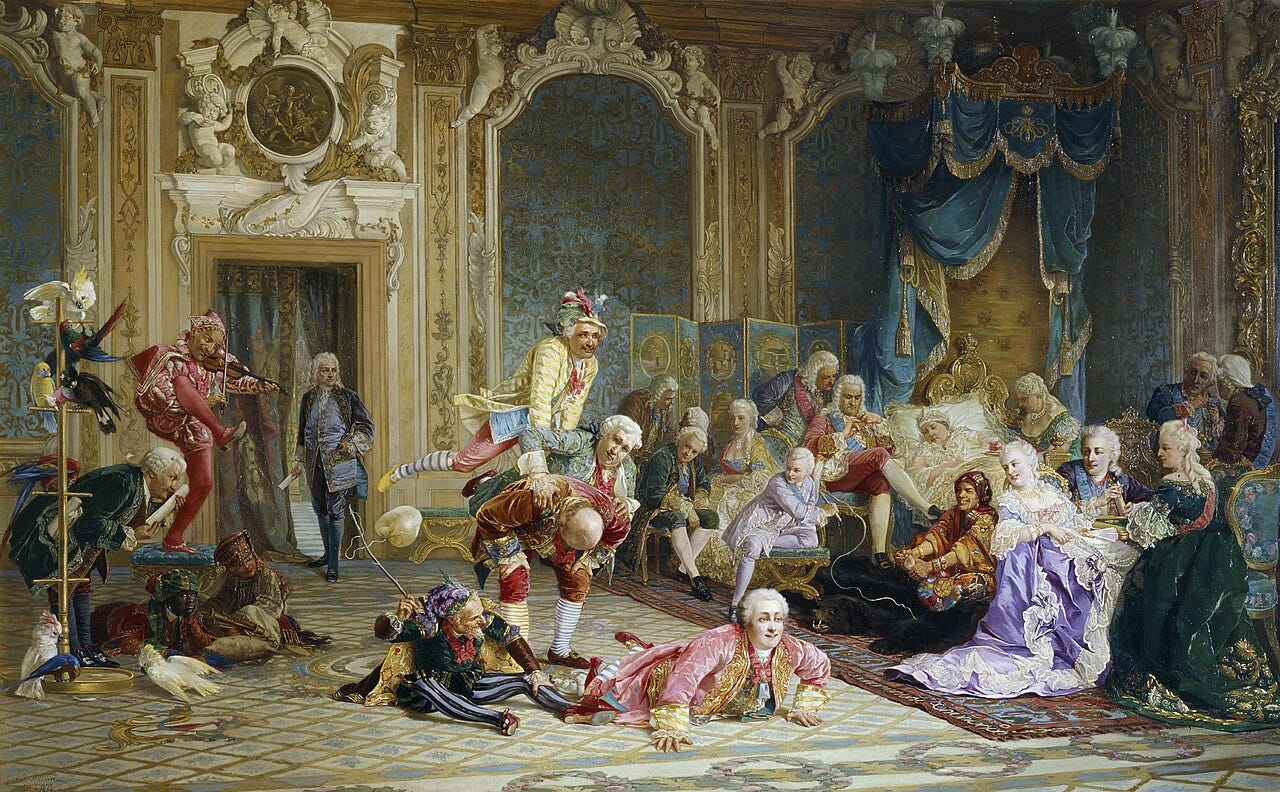
But on this point, it’s much easier to say virtue should be restored than to actually do it. Ultimately, virtue is something chosen by each individual. A leader can’t force anyone to be a good person, especially if there’s disagreement on what good even is. But, a leader can provide the breeding ground on which virtue is better fostered, by establishing a common law across the land, enforcing laws equally, and by communicating a common moral framework.
The latter has most effectively been accomplished through organized religion. This has worked well historically because a religion that stands apart from a government separates the enforcement arm of a society from the moral authority, increasing the trust of everyone in a common moral understanding. So, the leader concerned with the decline of his empire can do nothing better than to restore organized religion’s high standing in society.
Lastly, a people will not turn to virtue if their leader shows extreme vices. Thus, the leader, if he truly wants to restore virtue to his empire, must reflect the attitudes and behaviors that will inspire his people to right action. He can’t be a hypocrite; the best rulers lead from the front.
Rebuild Institutions
Another sign of an empire in decay is the weakening of its institutions. When its legal, religious, and civic institutions lose credibility to the public, the gears that make an empire work stop turning. Part of the problem is bureaucratic: large empires usually require more labor and infrastructure to manage its many moving parts, but every level of control adds friction — slowing progress and diverting public funds away from other places where it might be more useful. Another part of the problem is that these weakened institutions no longer attract the best, brightest, and rightly motivated individuals. The institutions become filled with people who simply want a position of status or ease. Bulky institutions increasingly tax their populations to support the infrastructure, and people begin to view the institutions not as movers and shakers in the empire, but rather as roadblocks to its success.
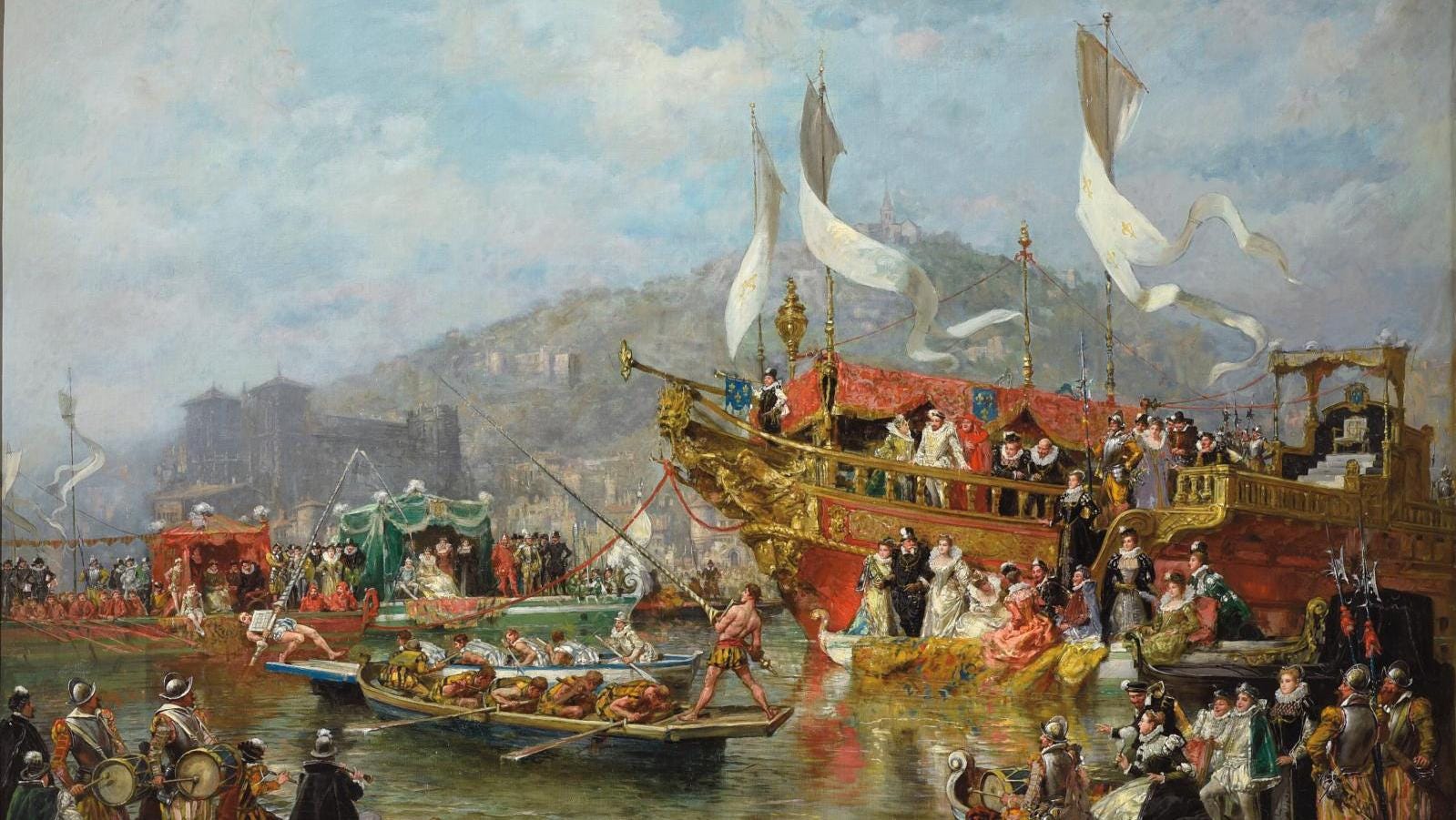
Looking back to Rome again, Diocletian was a successful reformer. He wasn’t afraid to rethink Roman organization from the ground up. The emperor restructured many of the provinces, stabilized taxation, reordered the military, and reformed the administration as a whole to better serve the empire.
But institutions extend beyond government. The establishment of a strong religion is infinitely more important than the establishment of a provincial tax administration. As we said earlier, the institutions of religion provide a common moral framework for a people. They provide trust, community, and a long-lasting bond between generations. So, a leader must support strong religious communities if he wishes to have a strong empire.
Further, an empire thrives on the health of its most fundamental unit cell: the family. In its latter days, wealthy Romans were reluctant to marry and start families, preferring decadence and freedom from responsibility to a life of domestic purpose and meaning. But that meant civilizational suicide, as Rome’s old families dwindled among crowds of newcomers in the empire. Cultural cohesion eroded quickly, and political instability driven by cultural nihilism took over the Roman town square. An empire needs a strong base of patriotic families, not only to provide for a future citizenry, but also to instill a generational mindset in the culture. Mothers and fathers naturally care for where their society is headed, because their children have to inherit that world. So, an emperor should encourage marriage and families to ensure that patriotism is inherently tied to love for their families.
The successful empire needs strong institutions to make it work; these fundamental institutions of law, executive government, religion, marriage, and family are critical to renew a faltering empire. However, institutions need protection to function…
