


Elon Musk is dead set on colonizing Mars within our lifetime. If he pulls it off, it will undoubtedly be the greatest achievement in human history. But Musk’s accomplishment might also be something else, something he might not expect:
He will accidentally be jumpstarting a brand-new America — a more extreme, radical version of America. What do I mean? Think about it: who is actually going to give up their life on Earth to die on an inhospitable planet millions of miles from home?
Space travel is about to trigger the ultimate “great filter” event — one that selects for a very specific type of individual. And because history has already run a similar experiment before, we can actually predict who’s going to make it through the filter. This group will be the ones who build Martian civilization — and I think there’s good reason to believe they’ll construct American 2.0 in space.
Reminder: You can support us in forming minds and rebuilding the West by unlocking our members-only content:
✔️ Full premium articles every Tuesday
✔️ The entire archive: Western history, literature, and culture
✔️ The Great Books lists (Hundreds of titles that influenced Western thought)
Join to start reading and support the mission today 👇
The Last Great Filter
To understand what a colonized Mars will be like, we need to go back to a pivotal time in Earth’s history, a time not so unlike our own. A time of new ideas, new technologies, and new frontiers to explore.
The period I’m referring to is the Age of Exploration, roughly the 15th to the 17th centuries. It’s when the invention of the printing press, the Protestant Reformation, and the discovery of America all coincided. The Age of Exploration was defined by a great physical expansion of European powers, as new lands were being discovered, and an incredible outpouring of human capital fled the Old World in hopes of reaching the New World.
But of course most people still stayed behind.,,,,
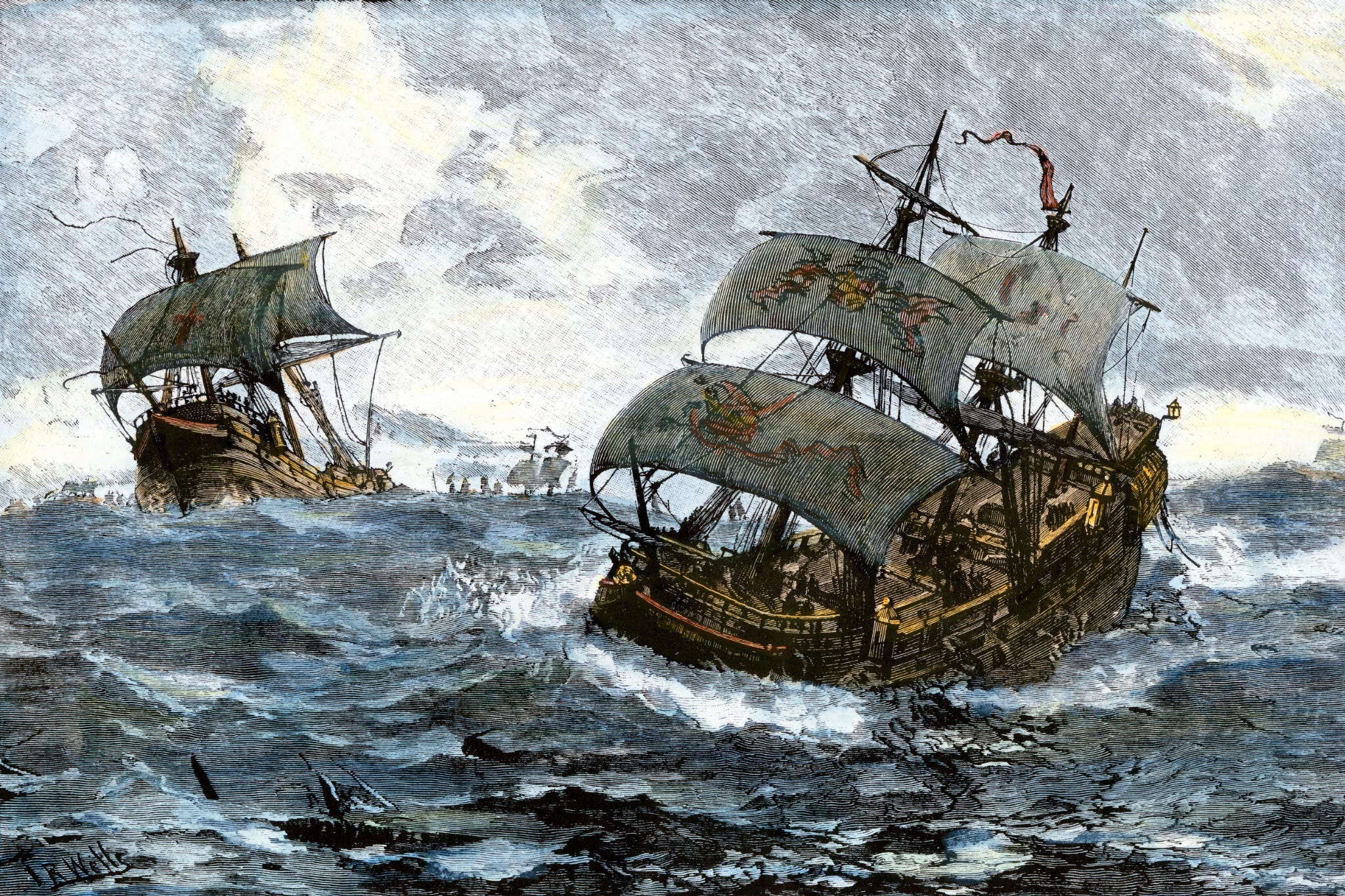
It was incredibly difficult to cross oceans and traverse new lands, so the vast majority of humanity remained where they always had. The Age of Exploration was, in one sense, a great filter.
And the important question here is: why did some people go through the filter and others didn’t? Were those who left the Old World fundamentally different from those who stayed behind? If we can answer this, we might better understand the type of people who will make it through the next great filter.
Risk Takers and Rebels
During the Age of Exploration, those who were willing to make the journey to the New World were typically risk takers and individualists to an extreme degree. Often they were men with something to prove, like disinherited nobility. They may have been lower status second sons who didn’t inherit any land, or simply financially strapped. Men with a chip on their shoulder.
Think of conquistadors like Francisco Pizarro or Hernan Cortez. They were each somewhat lower status nobles who sought to make names for themselves amidst the new opportunities of unexplored lands. The dark unknown is, after all, the perfect place to find fortune and fame, as long as you’re willing to brave the chaos and take risks.
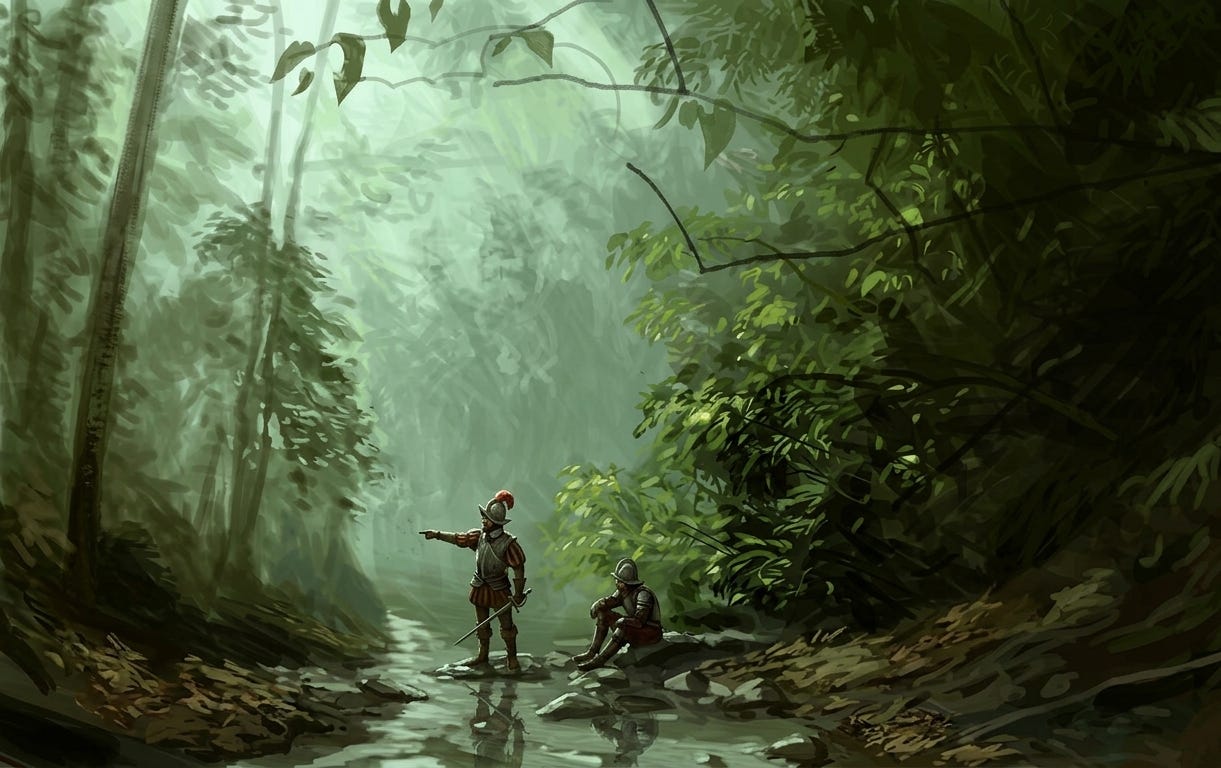
And John Smith, one of the founders of Jamestown, was another such adventurer. If there’s anyone that embodied the individualist — may I call it a pre-American — spirit, it was him.
Smith’s father died at 16, whereupon he set about a life of adventure. He became a mercenary, then briefly a pirate, before being conscripted by the Habsburgs to fight the Ottoman Empire. Legend has it that he dueled 3 Ottoman warriors and beat them all in single combat. At one point, he was taken as a slave, but he killed his slavemaster and made his way back to England, whereupon he set sail on a voyage to the New World — and as Americans that’s typically where we pick up on the story.
These were the type of men who were willing to undertake the perilous journey to the Americas: self made men who had their own personal vision of the future.
It’s In the DNA
Ok so these are just a few of the most famous men, but what about the average person? Not everyone who travelled to America was a swashbuckling pirate or conquistador.
Well, there’s actually an interesting study that investigated immigrants from Scandinavia. It showed that, in general, the least risk averse, individualist people were the ones to leave for the New World, while those more predisposed to tradition and collectivism stayed behind. It supports the idea that these mass exploration and migration events are basically great filters for risk takers.
The study from the University of Copenhagen is called Those Who Stayed: Individualism, Self-Selection and Cultural Change during the Age of Mass Migration, and looked at immigrants form the the years 1850-1920. This period is a little later than the Age of Exploration, but still before modern times made travel and communication easy, so I think the results still apply.
The study looked at historical census records, passenger lists, and other sources of empirical data to compare and contrast the individuals who stayed behind vs those who emigrated, noting any fundamental differences in beliefs and temperament. It found the following results:
