

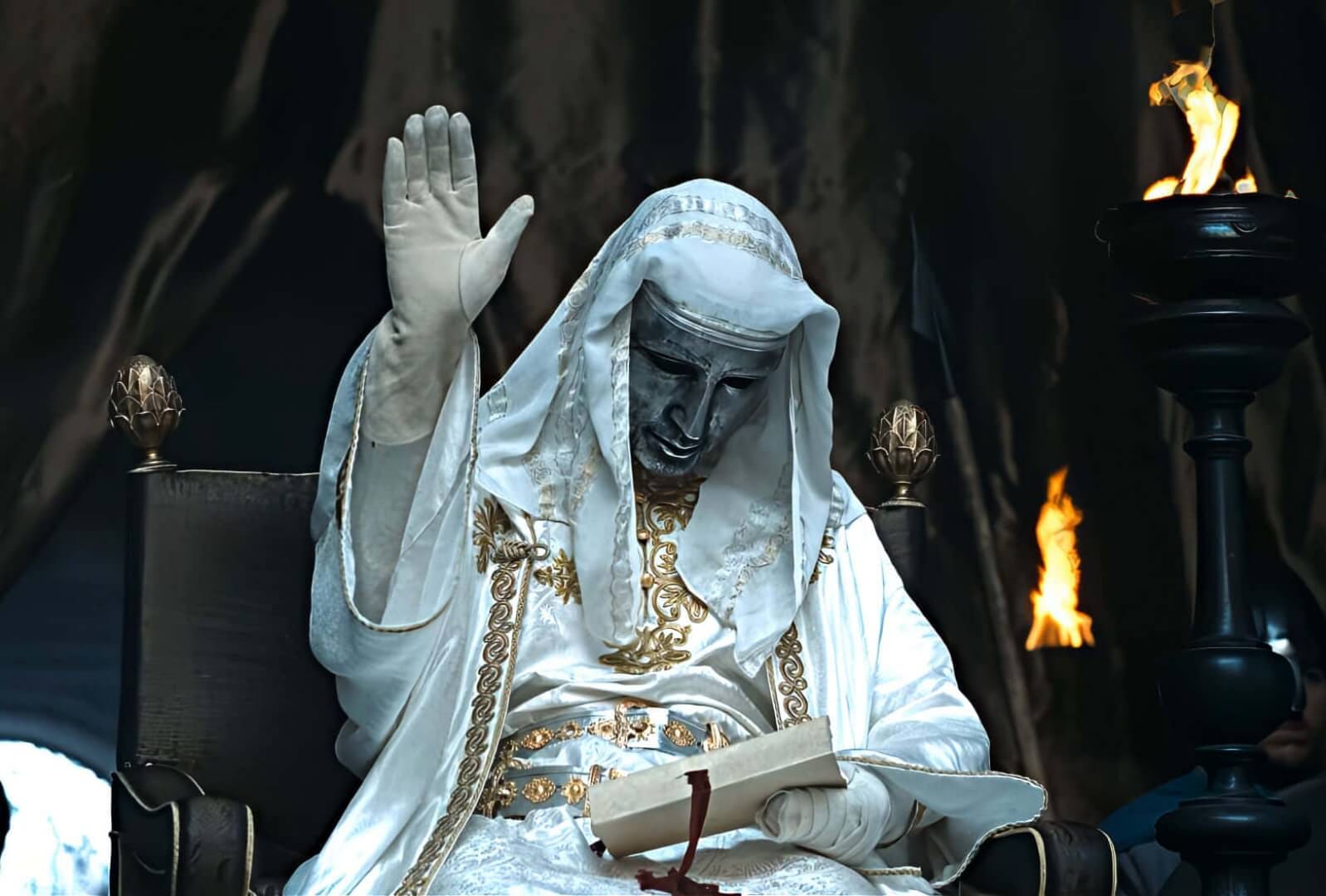
The best man to lead through a crisis is the man who knows he won’t survive it. And history shows this is more true than you might expect.
Those rare leaders in history who faced declining health and a huge external crisis at the same time — logically, they should have failed faster. But many times, the double negative of inescapable death and military pressures created a form of leadership that defies all intuition.
The perfect case is that of Baldwin IV of Jerusalem, otherwise known as the Leper King.
Reminder: You can support us in forming minds and rebuilding the West by unlocking our members-only content:
✔️ Full premium articles every Tuesday + Free content Thursdays
✔️ The entire archive: Western history, literature, and culture
✔️ The Great Books lists (Hundreds of titles that influenced Western thought)
Join to start reading and support the mission today 👇
Leading as a Leper
Born in 1161, Baldwin’s signs of leprosy appeared early in childhood. Nonetheless, he was thrust into kingship over the crusader-controlled Jerusalem while young and bound for a tortuous rule with the debilitating disease.
Leprosy, as most of us know from Biblical accounts, was not only a painful and embarrassing disease. It came along with longstanding social implications, usually of isolation, destitution, and an inability to participate in normal life.
As a leader, it hampered him in other ways, too. He increasingly found it difficult to ride or fight, but it also meant he couldn’t marry or produce an heir to leave any familial legacy. Governing was difficult for any king, let alone one with leprosy and in one of the most precarious political situations of his day.

Nonetheless, despite challenges of his body, the internal political strife in Jerusalem, and the external threats to his kingdom, Baldwin held his own against imminent collapse. The Leper King, as he’d come to be known, turned out to be a surprisingly active ruler and competent commander, holding off the mighty Saladin for years.
This is proof enough that the barbarian elements of Medieval Europe’s infancy — that still valued strength and vigor as primary qualities of a leader — had been tempered by the influence of the late Roman Empire and the Church. No longer was physical strength required to win the loyalties of a people.
Baldwin’s kingdom in Jerusalem doesn’t end well. Following his death at a young age, it falls to the forces of internal strife and Guy de Lusignan’s foolish decisions to meet Saladin’s army on the battlefield.
Nonetheless, while Baldwin couldn’t solve the precarious situation of Jerusalem in the long run, he was the key that held it together while he lived. Only he commanded the loyalty, restraint, and wisdom to lead the kingdom during some of its most difficult times. He held off the collapse for as long as his short life allowed him to.
But what is it about a dying leader like the Leper King that made him such an effective leader during the kingdom’s most trying times?
Self-Interest Dies with Them
A mental shift happens to a leader when they know they’re going to die.
Baldwin knew the end for him would be swift. Yet this didn’t cause him to be rash. On the contrary, Baldwin displayed wisdom beyond what his relatively few years would suggest.
In ordinary politics, when a leader’s life isn’t threatened, his outlook is multifaceted for better or worse. His decisions will hinge on a range of factors: its morality, its tangible effects, its negative implications, its reflection on his country, but also its reflection on himself. He will have a significant concern for the next election, the next phase of life for himself, and his legacy. In effect, the leader’s self becomes a factor in every decision.
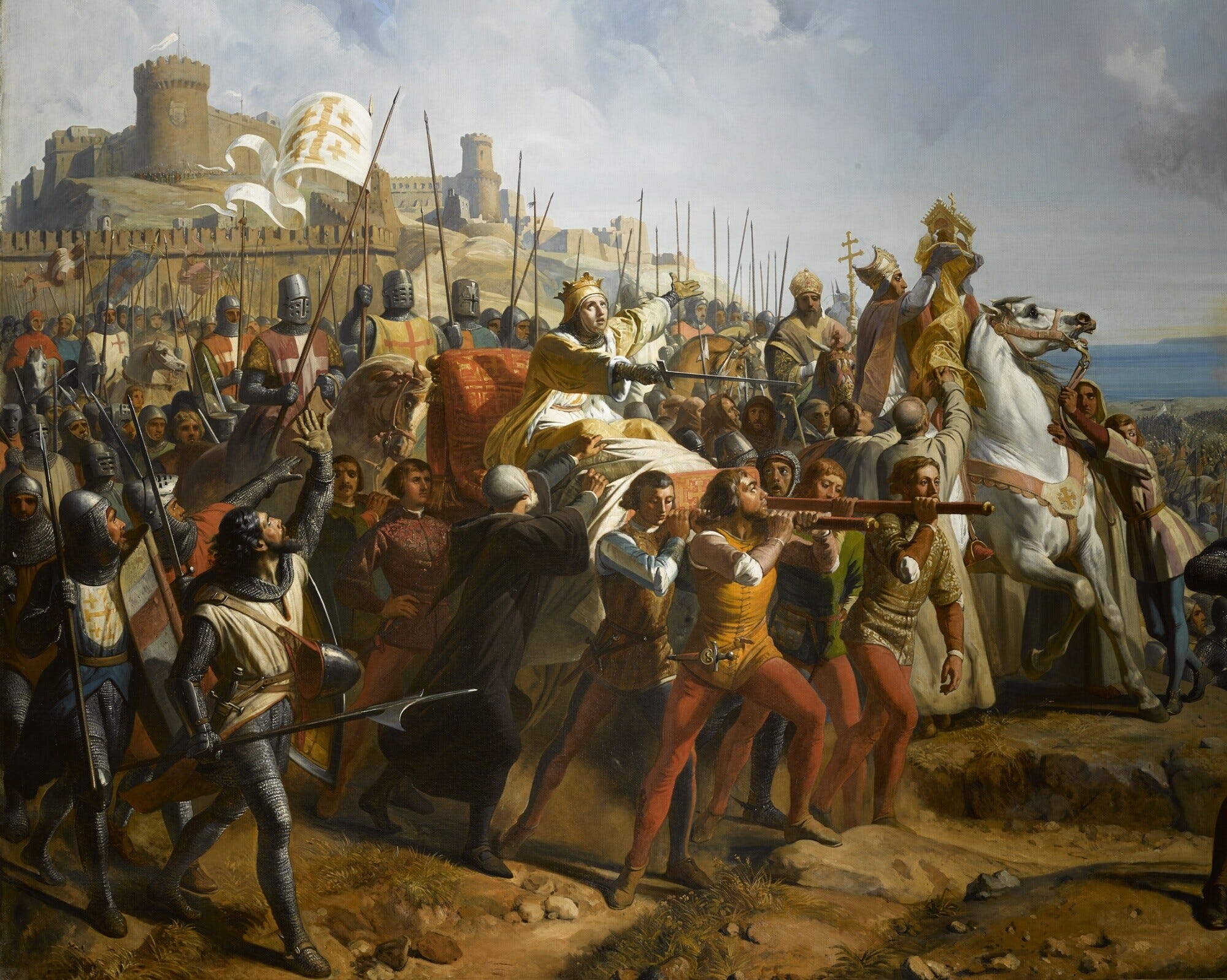
Will he have enough support to win another election? Will he be written of well in the history books? How will the media spin this or that phrase? And on and on, with nearly infinite questions as to the ultimate effects of his decisions while in power. Relationships, reputations, and personal alliances become a minefield to navigate, which take their toll of real decision-making for the good of the people.
But a dying leader’s decisions become much simpler. No longer is there another election, or future threat to his kingship to deal with. No longer is there much care for the reactions of critics and political enemies. Their purview focuses on just a few things: the good of the kingdom, his legacy, and the wellbeing of friends and family.
And this is why Baldwin could be so successful while knowing death awaited him around the corner. His decisions could be made with no concern for his own future political security. Baldwin, to secure future stability for the kingdom, crowned his nephew as co-king and arranged a regency under Raymond of Tripoli.
He was to lose power no matter what, so his decisions could be better attuned to what the good of the kingdom required, what served his close contacts well, and what would leave himself with a respectable legacy. This is what happens when a leader understands that someone else will inherit the consequences of his decisions. Self-interest is nearly removed from consideration.
But Baldwin had another advantage by his illness…
