

Therapy apps are everywhere. Marketing for apps like BetterHelp and Headspace in the video and podcasting space have exploded over the last few years, offering virtual, on-demand therapy — but why?
For anyone paying attention, it’s clear that young people, especially young men, are struggling. Many today are anxious and lonely, searching for meaning, direction, purpose… anything. Whether they know it or not, they’re looking for someone who can help them figure out life.
We may be tempted to diagnose this as just another health crisis. Our medicalized concepts of well-being lead us to prescribe fixes to symptoms but steer away from the deeper causes of our social malaise.
After all, every generation has faced hardship. Previous generations suffered wars, economic collapse, disease, and personal tragedy on a scale that most will never experience. Yet they didn’t have on-demand therapy to talk through their problems. Instead, they relied on something else.
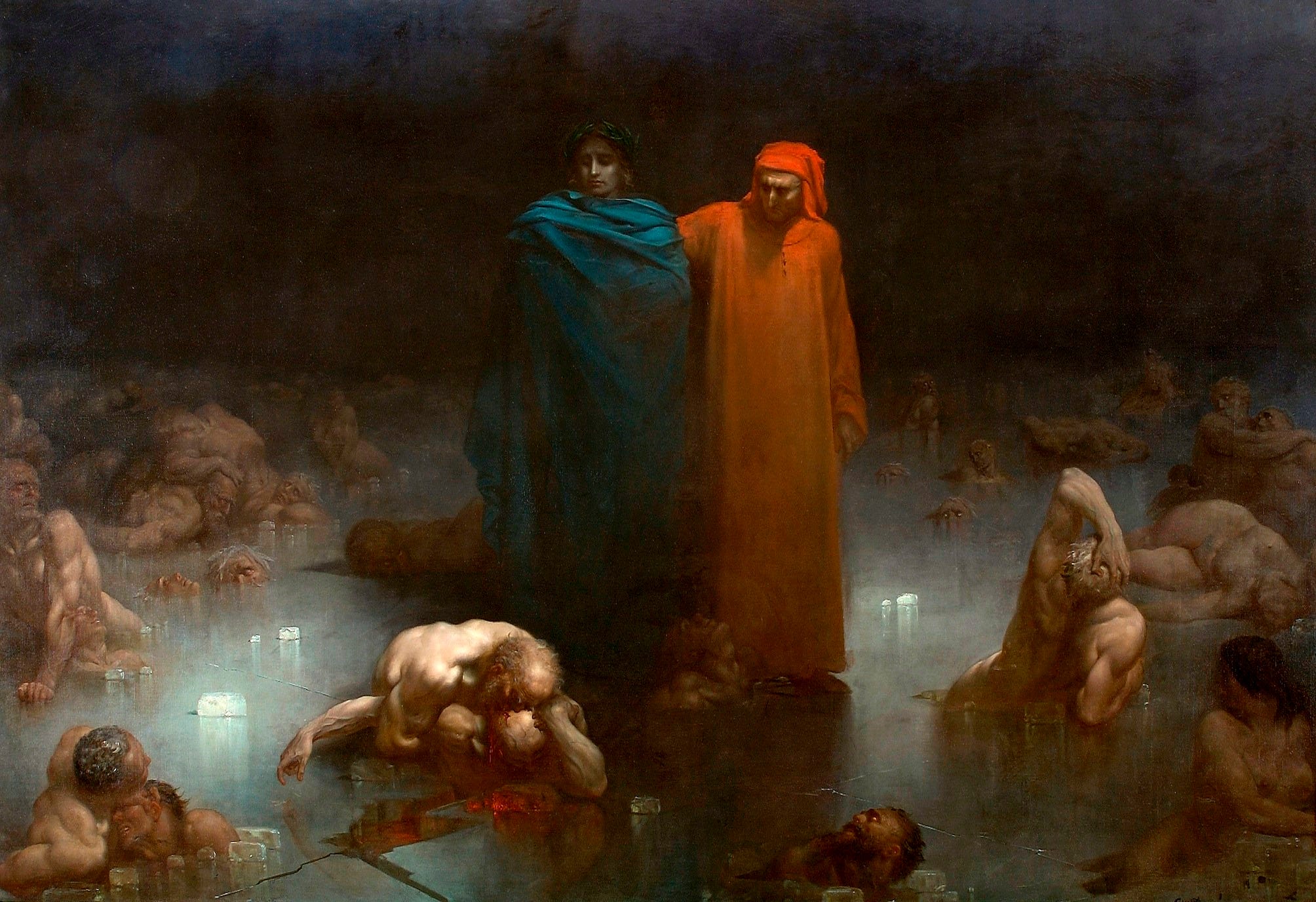
Enter Virgil in Dante’s Divine Comedy, the guide for the author through the hellscape of Inferno, the toils of Purgatorio, and the bliss of Paradiso. He plays the part of the wise mentor, the teacher to our lost protagonist. Virgil exemplifies what it means to guide another man in a way that has almost entirely disappeared from modern life…
Reminder: You can support us in forming minds and rebuilding the West by unlocking our members-only content:
✔️ Full premium articles every Tuesday
✔️ The entire archive: Western history, literature, and culture
✔️ The Great Books lists (Hundreds of titles that influenced Western thought)
Join to start reading and support the mission today 👇
History’s Guides
For most of history, guidance was integral to ordinary life, because past societies understood that young men didn’t simply mature on their own. People need intentional formation to fully develop.
In ancient societies, young men were often expected to undergo some form of initiation. This was a process or event, such as a big-game hunt or spiritual ceremony, that tested them and marked a transition from dependence into service and leadership. These rites ensured future leaders of the tribe or village were up to the challenges of their times and deemed worthy of responsibility.
This knowledge that maturity was cultivated shaped nearly every major institution of the past. Because many craftsmen couldn’t read or write for much of history, learning was passed down from master to apprentice through training on the job. With that close relationship naturally came a regular demonstration of the habits and virtues required for that trade: patience, discipline, honesty, and responsibility. The goal extended beyond producing just another skilled blacksmith, but eventually a trustworthy master capable of leading a new generation of blacksmiths for service to town and country. The apprentice was learning how to accept responsibility.

Religious education operated with a similar emphasis on character formation. Churches and religious schools, with early 20th century Jewish and Catholic schools as prime examples, didn’t make the transfer of information the first aim. They prioritized the formation of the conscience, informed by long traditions in Jewish and Catholic culture. Scripture, theology, philosophy, and the lives of the prophets and saints provided models of virtue and examples of lives ordered toward a higher purpose. The young student wasn’t left on an island to invent his own concept of “goodness”. He inherited a vision of what a rightly ordered life looked like from longstanding traditions.
Even among upper classes, intentional formation was built into the culture. The Grand Tour, undertaken by many young European gentlemen from the 17th through 19th centuries, was designed as an education in civilization at large. When young men travelled through Rome, Vienna, and Florence, they gained exposure to art, history, politics, and the achievements of other peoples. They returned more cultivated, matured, and independent — ready to take up the multifaceted duties of Europe’s finest families.
All these educational experiences promoted a common vision of the actualized human person. Western societies, particularly those shaped by Christianity, had a more coherent answer on what maturity meant. A good man was not simply someone who achieved personal satisfaction, but rather someone who practiced virtue, fulfilled obligations, served others, and oriented their life toward the highest good.
Modern societies have gained many things, including greater freedom and opportunity. But we have become far less aware of the need for intentional formation and how to go about it, especially for young men who often enter adulthood without clear expectations, meaningful responsibilities, and personal examples to imitate. We’re very good at helping people acquire skills, pursue material needs, and manage symptoms of problems. But we’re much less certain about how to form people capable of wisdom, virtue, and purpose.
This older understanding of guidance is what Dante places at the center of The Divine Comedy, and it precludes the need for therapy in the first place. Therapy is the rescue operation when things have gone awry. Mentorship and formation are the way we, throughout our lives, gain the wisdom and virtues necessary to avoid falling into mental roadblocks, sins, and personal problems that require therapy.
I’m not saying that therapy is bad, or that it’s unhelpful or even unnecessary for some people and situations. But the whole industry of therapy is an avoidable fact in a culture of proper formation.
The Wisdom of Virgil
Dante understood the need for guidance as inherent to living well. His Divine Comedy (Inferno, specifically) begins with an admission — a midlife crisis — that he has lost his way.
“Midway upon the journey of our life I found myself in a dark wood, where the right way was lost.”
Like Dante, many young men today aren’t necessarily lacking intelligence or ability. Like Dante waking dazed in a wood, they are lacking direction. They have ambition and potential, but little vision of what to use those gifts for. Dante doesn’t discover the way himself; nor does he soon discover the right way through introspection, or as we might say today by “finding himself”. No, he must be led by a guide, and that person is the great Latin poet Virgil.
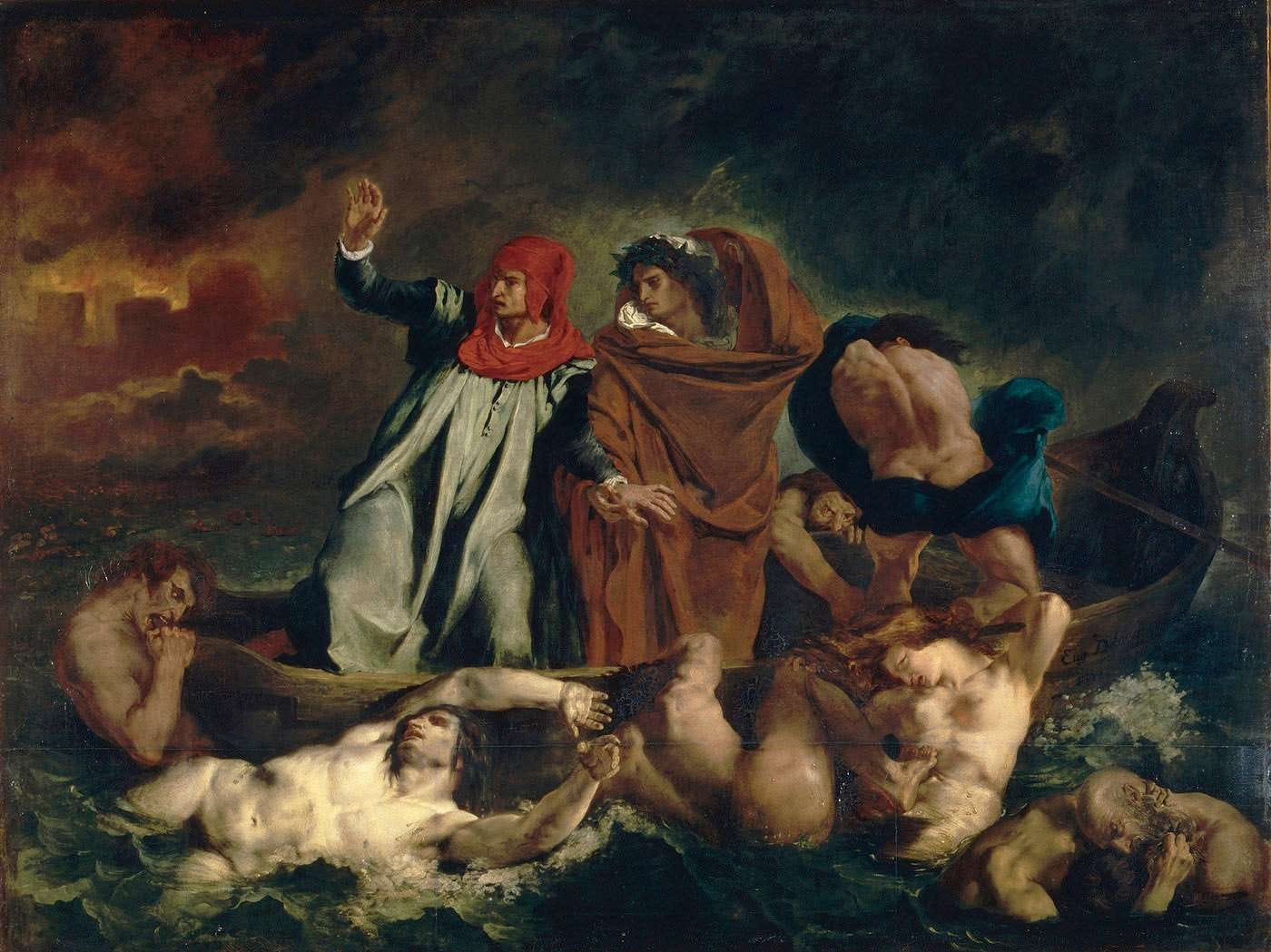
It might seem odd that a poet becomes the guide to Dante, but the poets of antiquity were not only well-respected because of their mastery over language, but because through beautiful language they could convey truths about the world and interior life. The best poets are really philosophers.
But Virgil was given a special place in the Medieval Christian world. Chaucer described Virgil’s prominence as “on a pillar that was of bright tin-plated iron”. To many Medieval scholars, he was thought of as a kind of pre-Christian prophet or an inspired pagan, more like a Hebrew figure of the Old Testament than as a Greek or Roman polytheist. Virgil’s assignment as the guide through Inferno and Purgatorio reflects this privilege.
And so, Virgil is Dante’s guide for much of his journey because he is the heaven-oriented torchbearer of earthly wisdom, a familiar guide to both the non-Christian and Christian worlds. But more personally, Dante credits Virgil as his door to a deeper understanding of not only the art of poetry, but of the beauty of Christianity, saying to him: “thou art alone the one from whom I took the beautiful style that has done honor to me”.
Dante understands Virgil as more than a poet. The great poet is his guide and moral instructor, teaching him how to see reality correctly, just as great poetry captures reality more viscerally than prose.
As the two descend through the circles of Hell, Dante often misunderstands the dismal scenes he encounters. He, recognizing many faces and names, often feels anger toward infamous individuals and confusion about particular punishments. Virgil corrects his understanding, showing him that Hell’s response to the sinner is always in alignment with ultimate justice. Sins that appeared attractive on earth are revealed in their fullness as ultimately hideous and destructive. The spiritual reality of the world is revealed in Dante’s journey, and Virgil is essential to interpret and safely guide him through dangers.
This is what makes the Divine Comedy a profound examination of conscience. It’s a tour through the darkest vices of humanity and their just correction. Each circle of Hell reveals a different way human beings can distort their desires. Virgil’s goal as a guide is a true understanding of the nature and gravity of sin, so that Dante ultimately becomes equipped to choose Paradise. Unfortunately, many of us don’t have a Virgil in our lives…
