

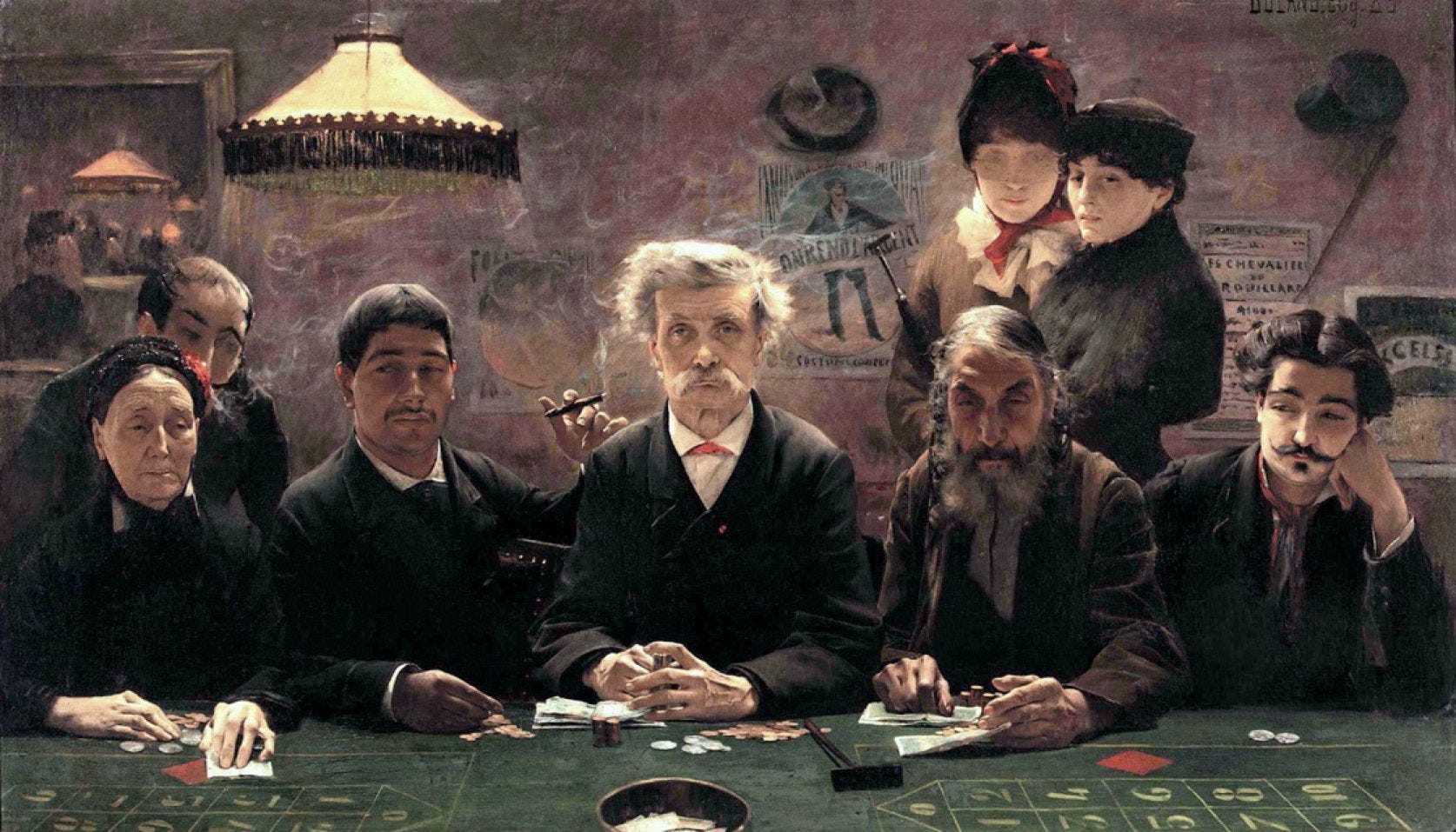
You’ve seen the ads: sports betting apps, online casinos, and prediction markets. Your favorite podcaster is probably promoting them, and they’re plastered across supposedly family-friendly TV networks during prime time.
Gambling is absolutely everywhere, and it’s completely hijacking our culture.
At first glance, the rise in gambling looks like it’s simply the result of technological advancement — the internet and instant news updates make betting on sports, politics, and world events easier than ever. But widespread gambling is really a symptom of a much darker reality: whenever a civilization embraces extreme risk as a legitimate way to get rich, it’s a clear sign that society is desperate.
We are seeing this exact desperation play out right now, especially among young people who feel that the traditional paths of success have been permanently blocked — and many are turning to risky behaviors like online betting or crypto speculation in lieu of safe career opportunities.
So what happens to a society when its people stop investing in the future and start betting on it instead? To understand where we are headed, we have to look at what happens when power structures become so stifling that vice becomes the only plausible path for the disaffected.
Two thousand years ago, a similar gambling mania exploded across the dying Roman Republic. The powerful figures who took advantage of that desperation ended up plunging civilization into civil war and political chaos. Let’s see how it played out back then and why we need to be vigilant about this concerning trend today…
Reminder: You can support us in forming minds and rebuilding the West by unlocking our members-only content:
✔️ Full premium articles every Tuesday
✔️ The entire archive: Western history, literature, and culture
✔️ The Great Books lists (Hundreds of titles that influenced Western thought)
Join to start reading and support the mission today 👇
Gambling Mania in the Late Republic
In the first century BC, right around the time the Roman Republic collapsed, the poet Horace made a surprising observation about the youth of his day. He noted that the upper class youth no longer cared for virtuous interests, like horseback riding and hunting, but were instead enthralled by games of chance, like gambling and dice. Horace writes:
“Now the noble’s first-born shuns the perilous chase, nor learns to sit his steed: Set him to the unlawful dice, or Grecian hoop, how skillfully he plays.”
To Horace, this abandonment of traditional, “manly” activities was a sure sign of decline. The youth of any civilization are the future after all, so what happens when an entire generation abandons the traditions that built society?
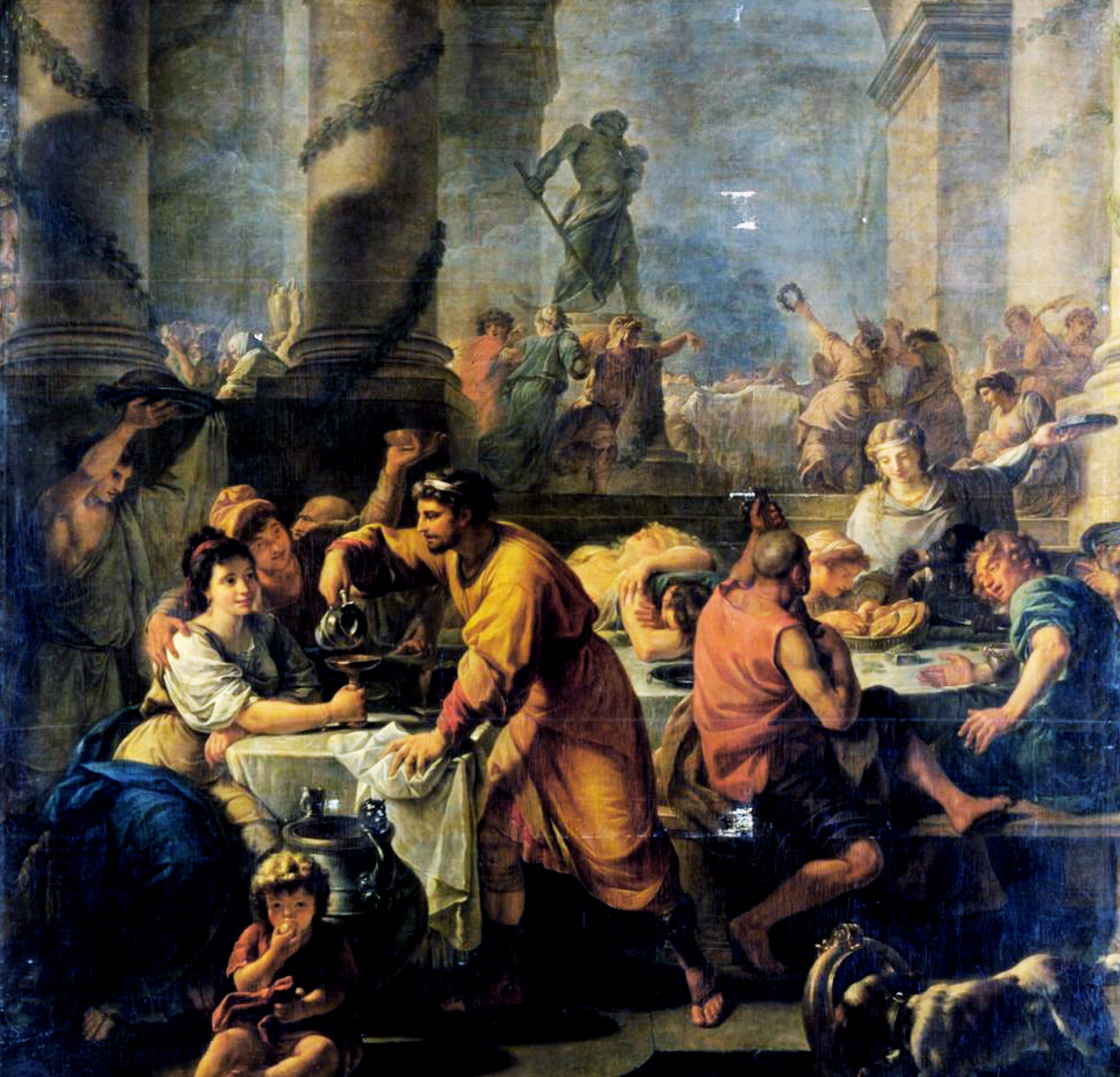
Horace was not the only one who observed this disturbing trend. Later, the 4th century Roman historian Marcellinus reflected on the last days of the Republic, describing a gambling mania that spread across all Roman social classes, and especially the wealthy.
These upper class gamblers called themselves tesserarii, meaning “dicer”, as the more common word for gambler, aleator, carried a somewhat negative connotation. Gambling, to them, wasn’t a major vice — but Marcellinus thought differently.
Marcellinus believed that the gambling mania that overtook Rome in the late Republic was a major factor in its fall. He claimed that the elite’s obsession with gambling prevented “anything memorable or serious from being done in Rome.” Rome’s upper classes were too busy squandering their wealth and time to actually address the serious matters of the day.
Horace’s and Marcellinus’ caution against gambling was nothing new, though. Romans had long been weary of the dangers of decadence. In 200 BC, long before the Roman Republic fell, the senate enacted a statewide ban on gambling, called the Lex Alearia. It had exceptions for certain holidays and was likely not enforced very heavily, but it served as a symbol that Roman citizens should follow the social customs and traditions of their virtuous ancestors — the mos maiorum — which taught discipline and temperance.
But roughly 100 years after the Lex Alearia was implemented, it was obvious to everyone that the traditional values of Rome were nothing more than an aspiration. So what was going on in Rome at the time that caused people to abandon social traditions and embrace degeneracy?
Oligarchs Vs. The People
Numerous historians have written about the general moral decay of the Late Republic, but perhaps what best exemplifies the cultural and economic issues of this period was the battle between the Optimates and Populares. Once we understand the fundamental divide of Roman politics in the Late Republic, we’ll realize why massive risk-taking became the only option for some….
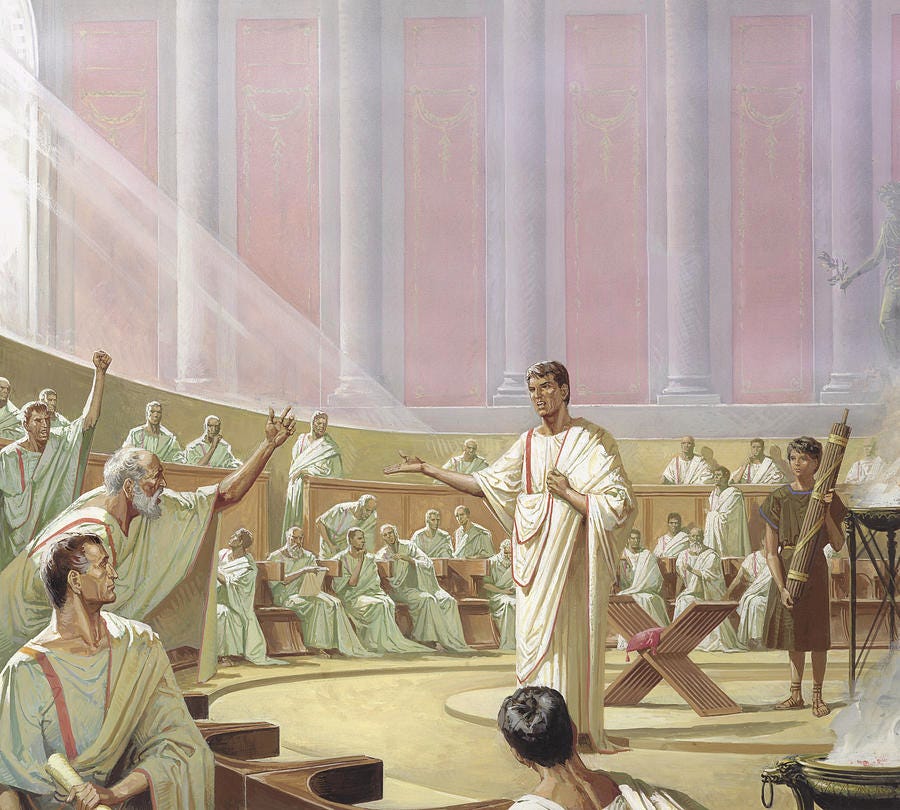
The Optimates and Populares were two factions of the Roman political class that were mortal enemies. The Optimates were the conservative elite who aimed to keep power in the senate and protect aristocratic wealth. They valued tradition, bureaucratic means, and the continued oligarchy that those ensured.
Opposing them were the Populares who appealed to the needs of the people, like debt relief and expanded citizenship.They often tried to bypass the senate and took matters directly to the Plebeian Assembly to win the masses — while also securing personal influence, of course.
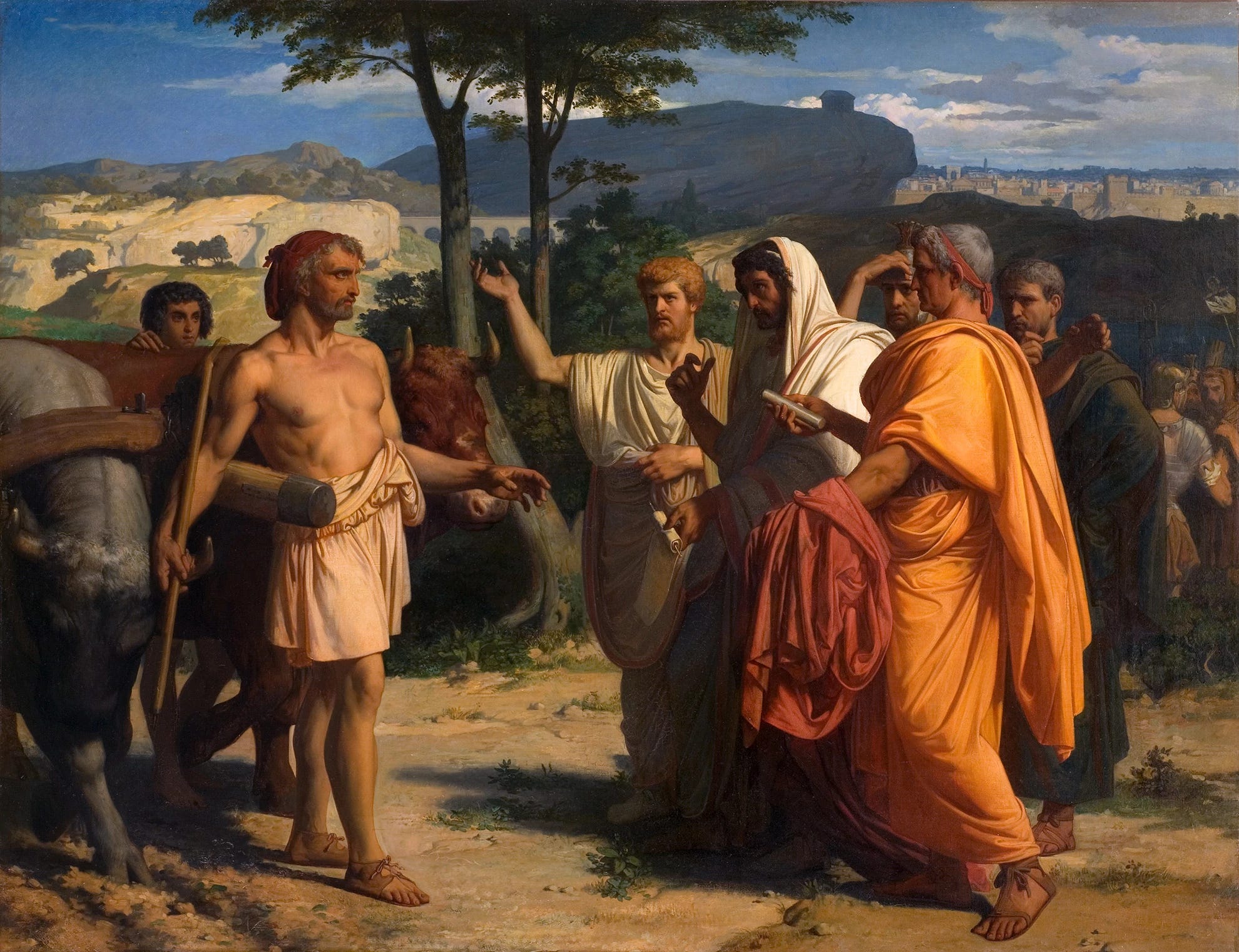
The major issue at the time was land reform for small farmers and dispossessed veterans. As Rome had expanded, it incorporated a large population of cheap labor — namely slaves. The increased slave populations could be used by wealthy citizens (generally supporters of the Optimates) to undercut their competition. Small farmers and land owners couldn’t compete with the wealthy oligarchs who could afford many slaves.
Likewise, veterans who had given up their farms to serve in long campaigns came back to nothing — they couldn’t afford to upkeep their estates while gone, and there were limited options when they finished their service. The Populares like Caesar sought to remedy this situation by giving plots of land to veterans and limiting the influx of slaves to Italy, but the Optimates opposed any reform.
A dangerous scenario emerged from these conditions: massive wealth disparity between the upper class, who benefited from the cheap labor of slaves, and the dispossessed soldiers, who had been stripped of their farms after while serving in the military. The sheer amount of these dispossessed soldiers was becoming a serious threat to stability, and tensions among the classes were heating up.
For the upper class, they felt untouchable — they were doing better than ever, and the vast wealth they were accumulating was leading to the vice and licentiousness we talked about earlier. They gambled and debauched out of sheer frivolity, but in increasingly reckless amounts.
On the other end of the spectrum, soldiers and farmers who had sacrificed for Rome now had no clear path to reclaim their livelihoods. They were becoming desperate, and surely more than a few made foolish gambles to recover their lost wealth.
Will and Ariel Durant in their work Lessons of History write of the economic desperation:
“Rome was full of men who had lost their economic footing and their moral stability: soldiers who had tasted adventure and had learned to kill; citizens who had seen their savings consumed in the taxes and inflation caused by war…”
With economic pressures reaching such high levels, traditional moral codes were brushed aside. “Why obey the cultural codes of our ancestors if we don’t have a future?” they asked. “Why sacrifice more for a Republic that will give us nothing? Radical change must be the only option.”
This is the desperate attitude that Caesar capitalized upon — and what would plunge the Republic into a full fledged civil war, ultimately ending it for good. It’s quite ironic that Caesar’s famous words before crossing the Rubicon, “the die is cast,” are a reference to the dice games that were so representative of the collapsing moral and economic framework of Rome.
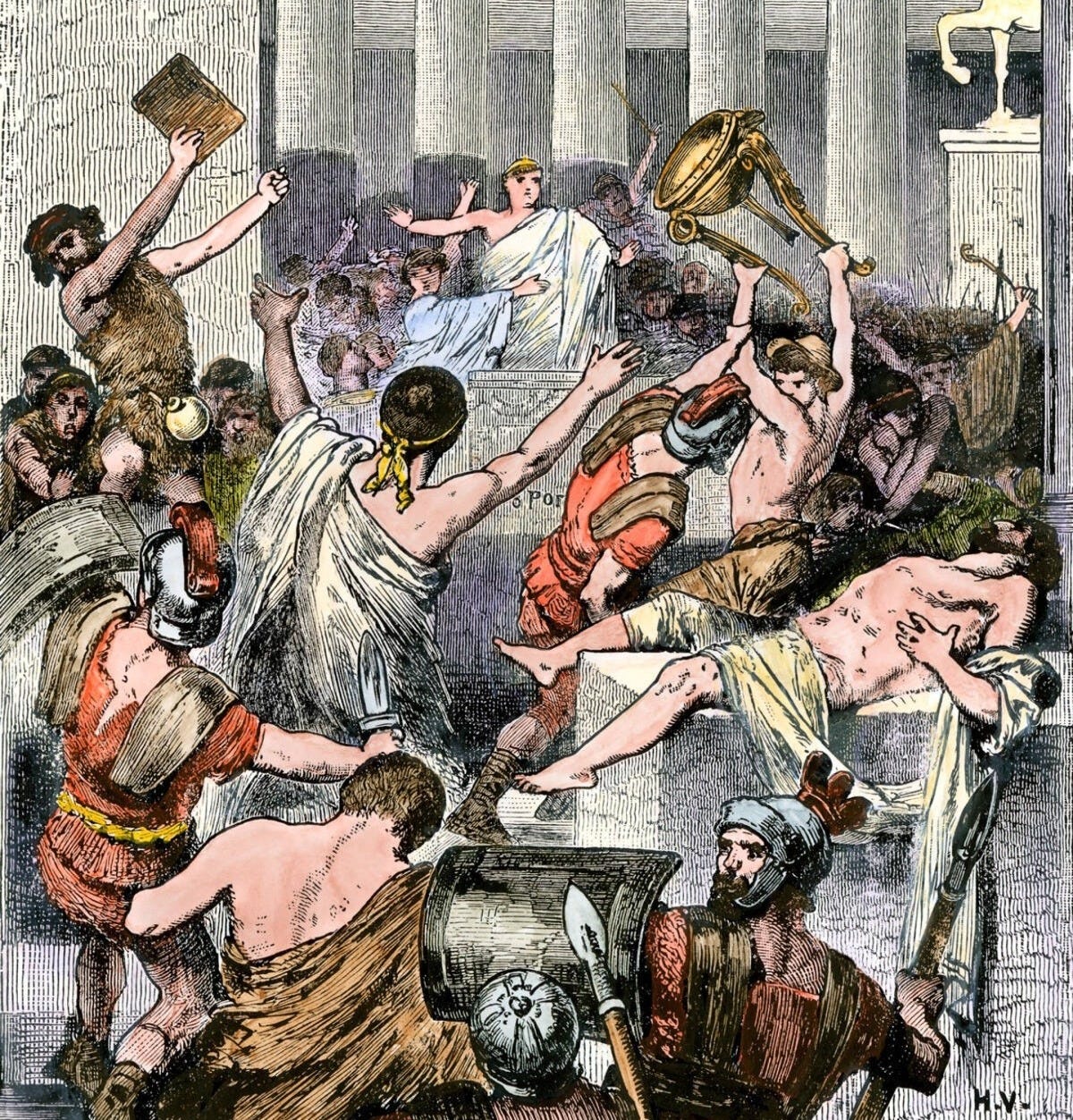
The gambling and moral degeneracy of the late Republic was the outlet of a desperate people, frustrated that cold economic self-interest had become more important to the Roman elite than the well-being of their fellow citizens.
This pattern of monetary obsession morphing into political and moral chaos is a pattern that repeats throughout history. Elites abandon tradition for degeneracy due to a weakening of their moral constitution, while lower classes attempt novel political solutions to solve their economic woes out of sheer desperation. The root of the problem always lies in what the culture prioritizes above all else. Specifically, money….
