


Many of us know deep down that our ancestors were tougher men than us — the generations of WWI and WWII were a different breed. They were more fit and seemingly braver, if also maybe a little more brash than we are today. What’s happened to men since then? What’s making men lose their masculinity?
One easy answer is the screen. Phones, TVs, and computers are at the heart of many of the problems men face today. It might sound boomer-ish, but the digital world has real effects on how we develop.
Here’s how we went from the likes of the Teddy Roosevelts of a bygone era to the de-masculinized men of today. And more importantly, we’ll see how we can reverse it.
Reminder: You can support us in forming minds and rebuilding the West by unlocking our members-only content:
✔️ Full premium articles every Tuesday + Free content Thursdays
✔️ The entire archive: Western history, literature, and culture
✔️ The Great Books lists (Hundreds of titles that influenced Western thought)
Join to start reading and support the mission today 👇
Destroying the Male Physique
Before screens, the average man worked very different jobs. They overwhelmingly worked in farming up until industrialization in the mid-1800s pushed them from the fields to the factories. Either way, man was doing physical labor for long periods of time. But post-WWII, things really started to change.
The inventions of telephone and radio communications, mass production machinery, and improved electric and gas-powered engines meant less physical effort was required in most occupations. This collected people into ever growing office spaces for largely sedentary work: writing, typing, calculating, talking. All these factors were shrinking men’s day-to-day physical exertion and their fitness.
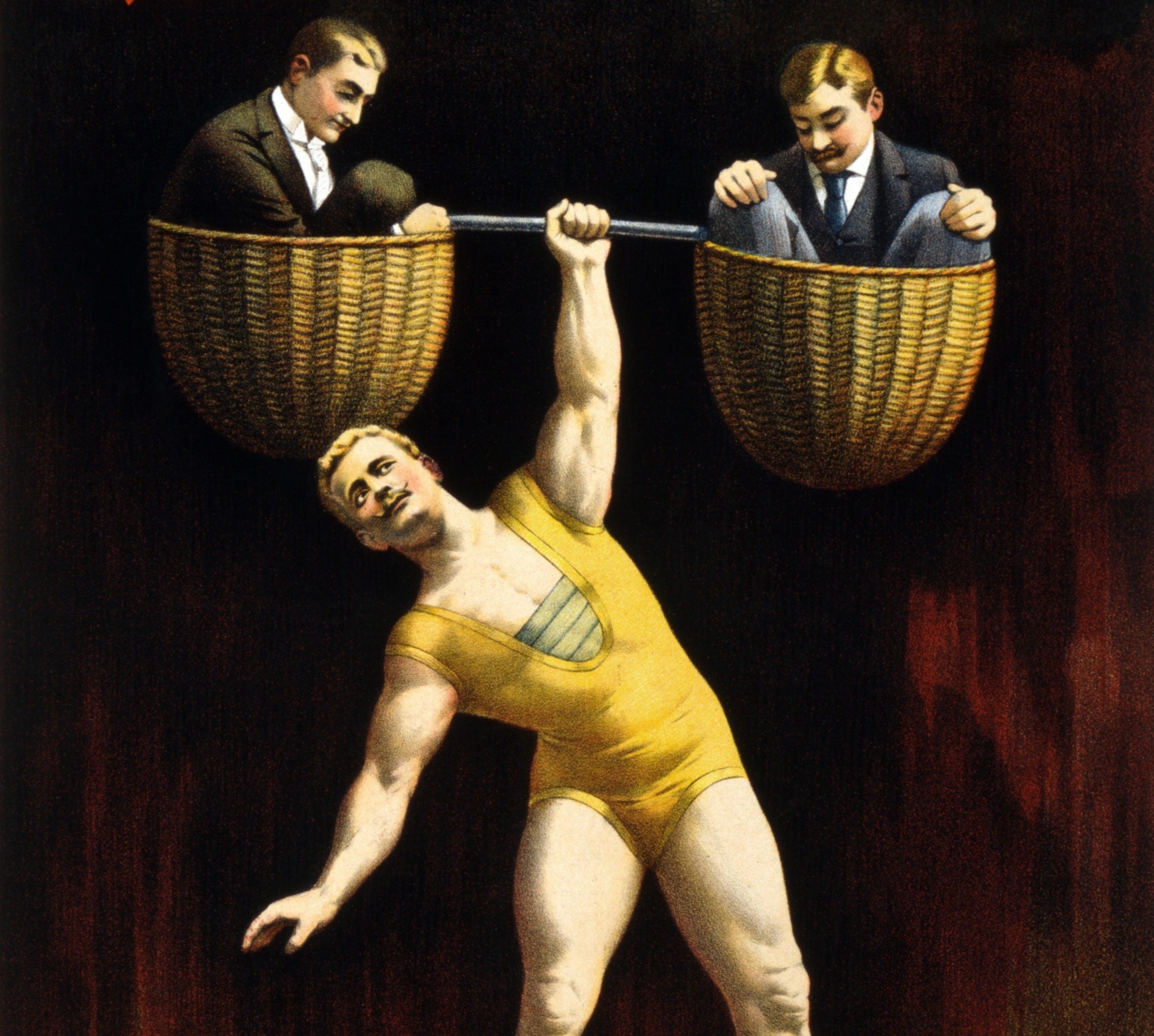
But the real game-changer was the computer. This made sedentary, white-collar work the norm among men, not to mention also among the relatively new influx of women in the workforce.
Through the late 80s and especially in the 90s, the computer took over virtually every workplace. The physical body was now basically economically irrelevant for the first time in history. Computational power far exceeded bodily power in terms of making or breaking a company. This had real effects on men.
The most concerning measured result is the decline of testosterone among men at a rate of roughly 1% per year since the 1980s, suspected as a direct result of sedentary lifestyles. Even when men weren’t working, they were likely watching TV at home. The screens anchored men to office chairs and couches. Their bodies simply responded to the circumstances.
Muscle mass is another area, less measured, that men have likely lost significantly. Look at an early to mid-20th century picture of a gym class and you’ll see what I mean. This isn’t what you see in today’s schools.
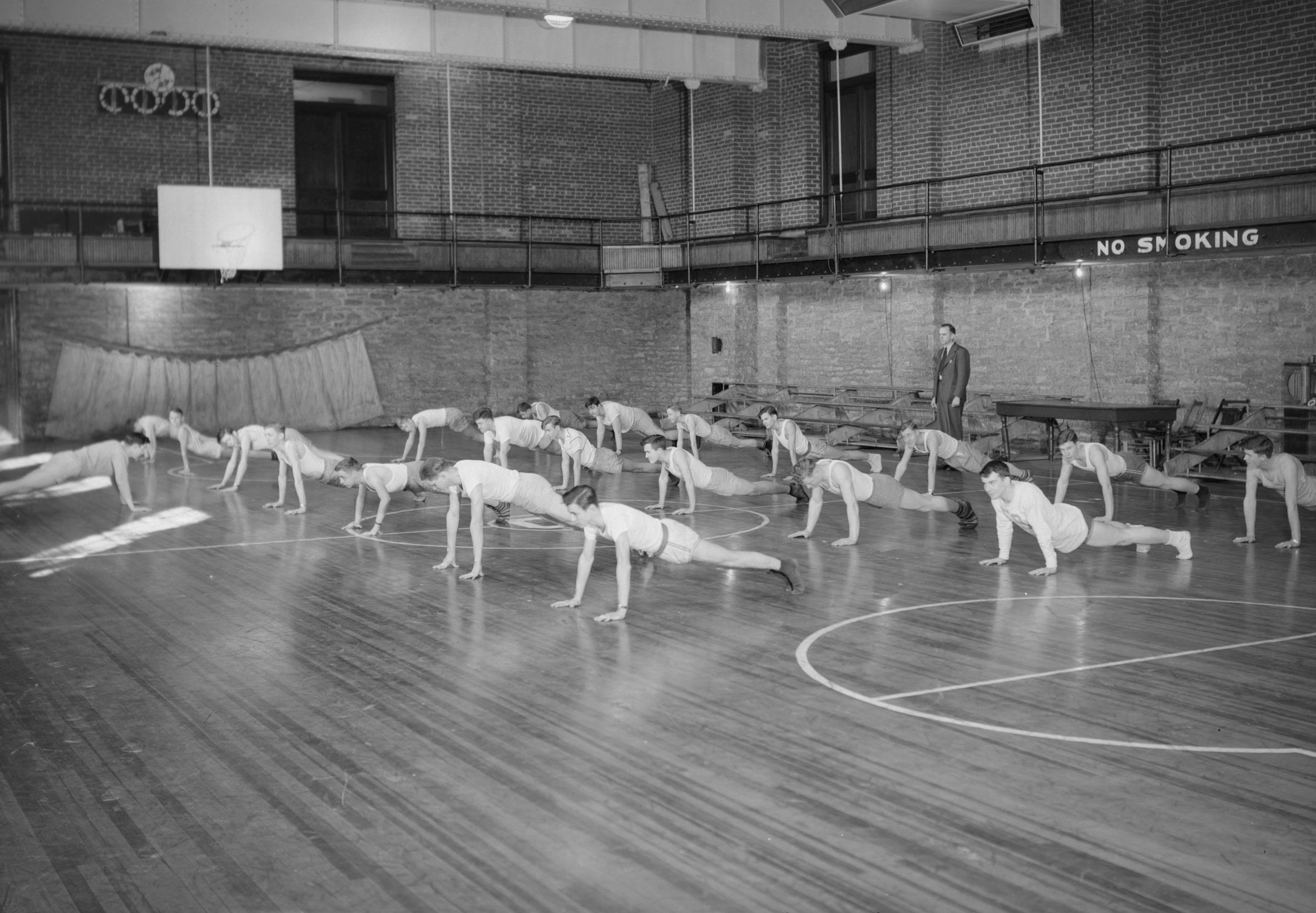
Historically, being physically weak was somewhat marginalizing. In tribal societies, it made your participation in a hunt more difficult. You would’ve been at the bottom of the pack in any warrior-society like that of Sparta. And among the 90% of field laborers across time, it would’ve made you less effective and profitable in agriculture. But digital life removes that marginalization, allowing men’s bodies to atrophy or grow overweight without immediate consequence.
One sign of our times is the gym; while in the past, the Greeks coined the term for the places they might spar or wrestle with one another, today’s gym was effectively invented to recreate physical work. For most, it’s a hobby we pursue voluntarily to ward off the effects of sedentary life. The gym is an artificial environment where physical labor has no output other than the training of the body. Historically, it’s a little strange…but today, it’s almost necessary for millions to stay fit.
However, the changes to men don’t stop at the physical — they go much further, much deeper into the psyche of men.
