

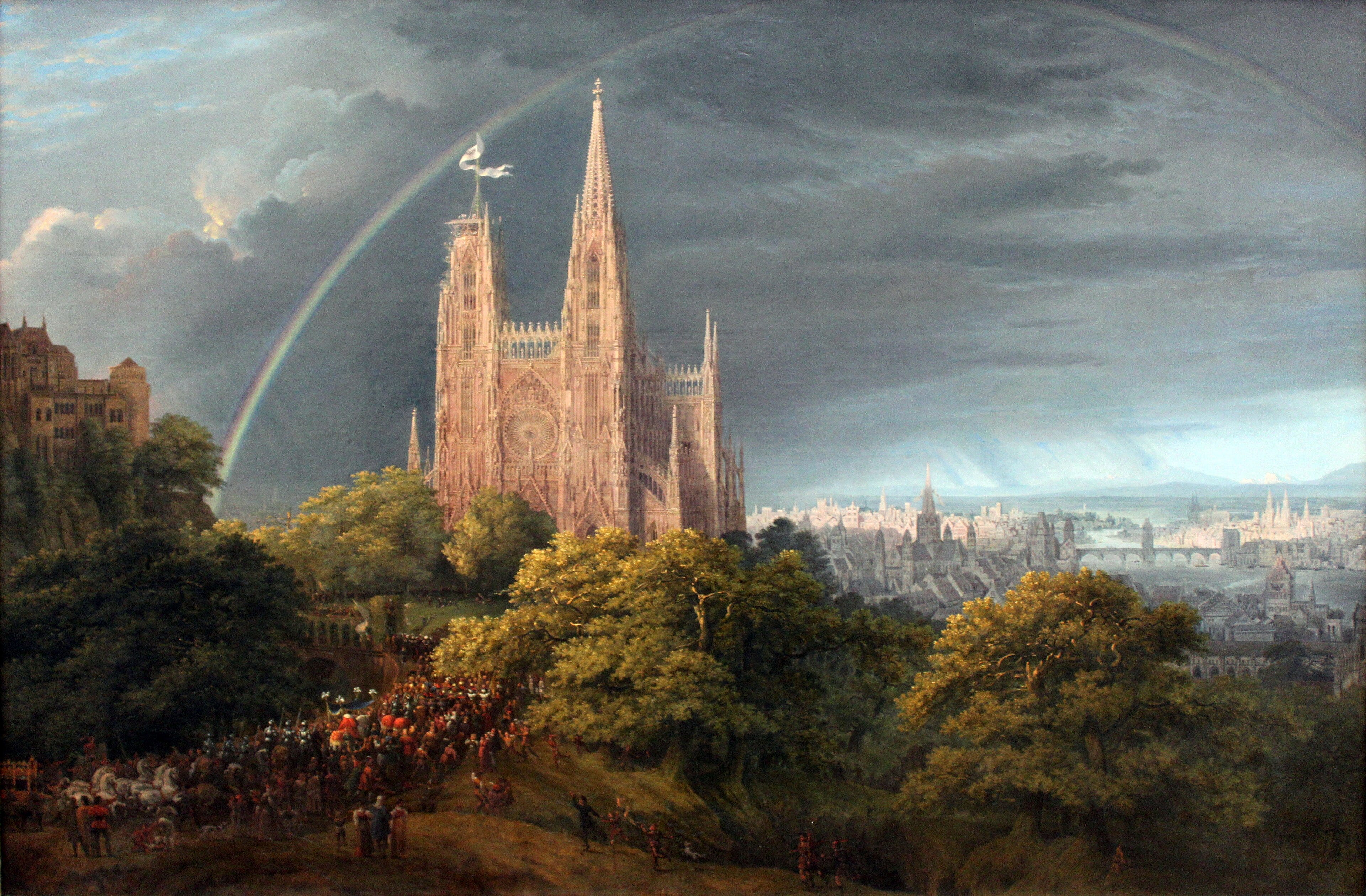
When did Western Civilization peak, exactly? A subscriber recently asked this very question. At first an answer came quickly, but the more I think about it, the more difficult the question reveals itself to be.
The meaning of a “peak” of civilization is ambiguous. By which metric do we judge? My first instinct, as a traditionally minded thinker, is to suggest a moral or spiritual metric: when was the bulk of society aligned in a common moral understanding or religion? That quickly takes us farther back in history.
Or, by “peak”, do we mean an intellectual summit, perhaps in achievement or at least in literary, artistic, or scientific activity?
Another metric we might judge civilization by is for its peacefulness. When did the West avoid conflict for an extended period of time? Or similarly, do we judge the pinnacle of a society to be when average living conditions rise above an established norm?
And, lastly, perhaps the “peak” of a civilization lies where its essence was most clearly defined. What time period most embodies the characteristics of the West?
All appear as valid metrics. Let’s now look at which time periods stand out when filtering by these metrics of religious unity, intellectual activity, peace, living conditions, and essence.
Reminder: You can support us in forming minds and rebuilding the West by unlocking our members-only content:
✔️ Full premium articles every Tuesday + Free content Thursdays
✔️ The entire archive: Western history, literature, and culture
✔️ The Great Books lists (Hundreds of titles that influenced Western thought)
Join to start reading and support the mission today 👇
Peak of the Western Religion
The “Western religion” is undoubtedly Catholicism. While we may extend the title to all Christianity, it is hard to imagine a “peak” of a religion in times where it is so divided, as Christianity has become so fragmented since the Protestant Reformation. We might fairly point to the East/West Schism of the 11th century as another division (into Orthodox vs Catholic), but as we are only concerned with “Western Civilization”, Catholicism has remained undivided in the West proper for its entire history.
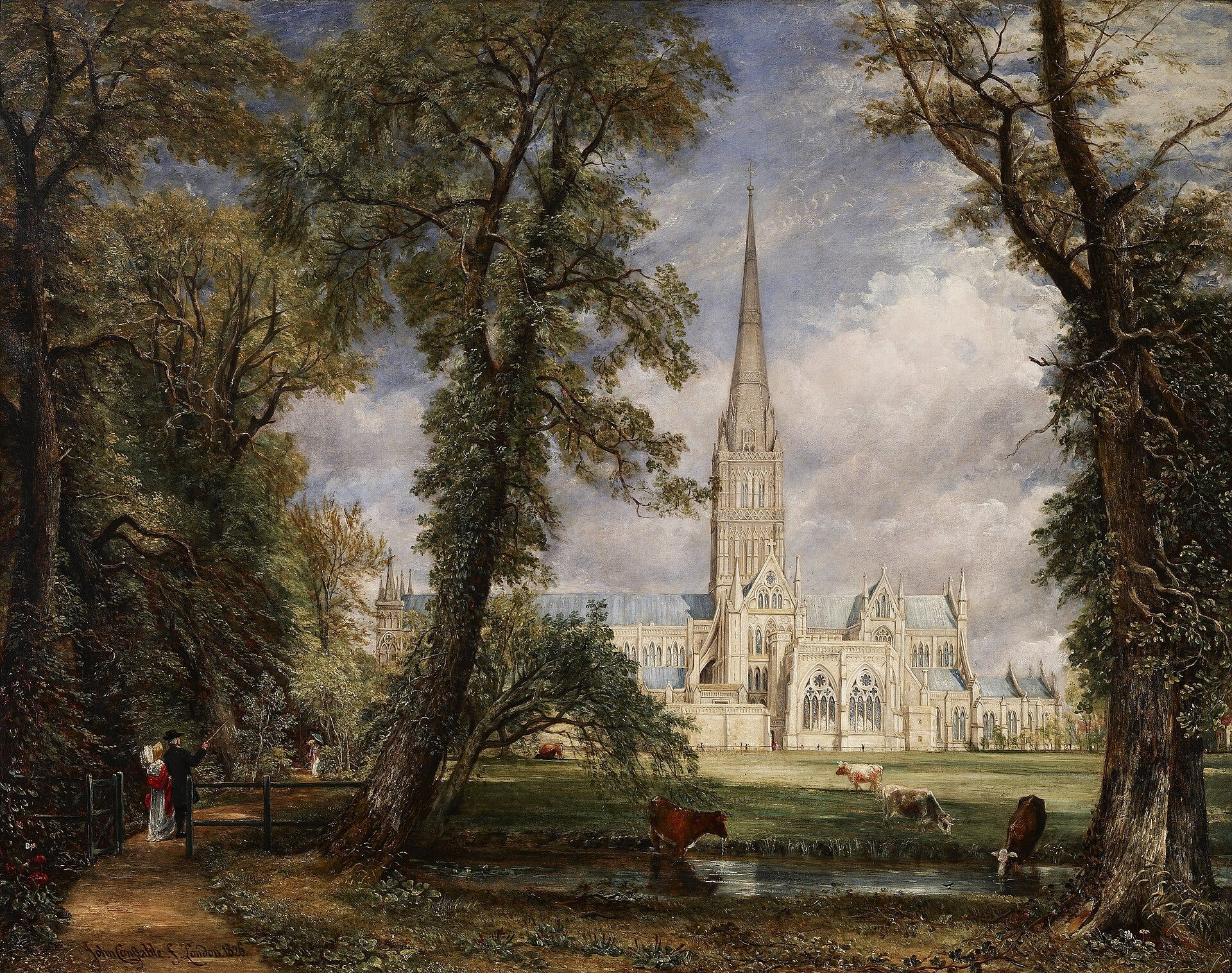
While any careful study of history reveals cracks and signs of disunity in every age, Catholicism stood taller and stronger in some periods than others. The 1200s were a high point, as it was this century that the intellectual foundations of Catholicism were best summarized, synthesized with Aristotelian thought, and born out in the many writings of the Scholastics. St. Albertus Magnus, his student St. Thomas Aquinas, and Duns Scotus were Catholic intellectual giants of the era.
Further, society itself was wholly organized around the Church at this point. The Popes has gained power not only over the spiritual leadership Western Europe, but also over many of the temporal matters later only held by kings. While kings and popes did come to blows at some points, still nearly every king acknowledged the legitimacy of the papal power and thought long before challenging it.
Cathedrals and monasteries were central to the landscapes; the Franciscans and Dominicans both emerged to revitalize the Church’s mission; and pilgrimages were common to the Holy Land still under some protection from late Crusaders.
It was during this century that Western Europe was Catholic through and through.
Peak of the Intellect
A peak period of intellectual life is more challenging to determine, as we are not looking for the time period which has the most information available (obviously today) but the one in which the most relative progress or activity was made. A few periods stand out: 1) the Scholastic period of the 1200s, but only really for the intellectual life of the Church, 2) the late Renaissance period of the 1600s, 3) the late 1800s with the spread of steam engines and electricity, or 4) the late 1900s with the advent of the internet and computer.
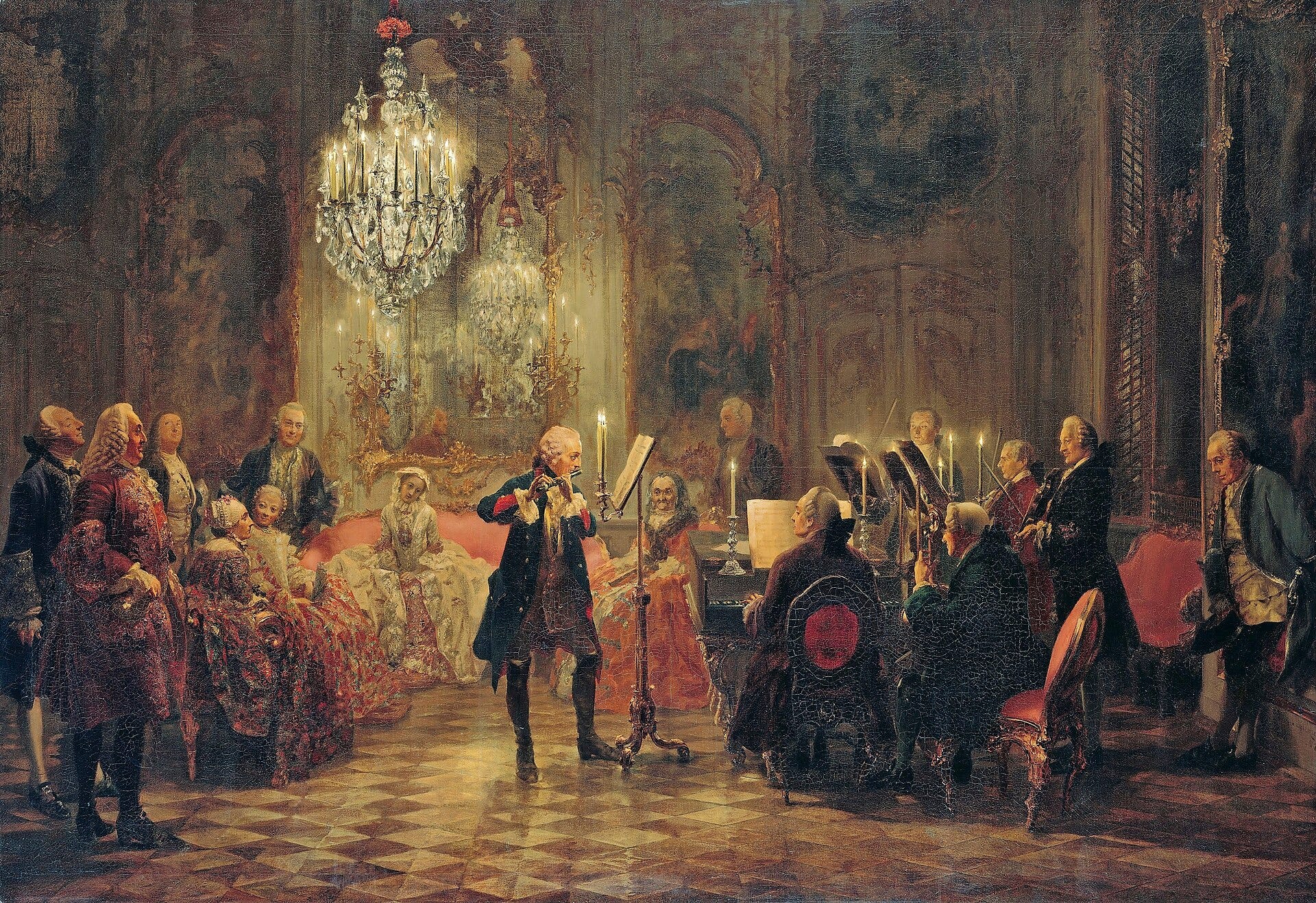
Comparing these diverse periods is difficult because the kinds of advances made in each are so different. The 1200s reconciled theology with secular philosophy. The Renaissance adopted and applied the “new” methods of rationalism to science and philosophy, while simultaneously exploding in artistic vigor. The 1800s witnessed built the great machines that multiplied human labor tenfold and hundredfold. But the late 1900s began the project of building man’s most cherished gift, his intellect, into a machine of its own.
Then, in terms of scientific achievement, I must defer to our most recent advent of the computer and internet, which are now being transformed by AI, as the most revolutionary in human development. In artistic intellect, however, I would point instead to the Renaissance; in theological intellect, to the 1200s. And, I will add, that in literary intellect, I personally hold the early 20th century as a high point because of its perfect balance of artistic language and clarity.
Peak of Peace
The high point of peace in Western Civilization is much less contested than that of the intellect. Generally, 1800s Europe was known as a time of relative peace across the continent. The United States may have thought differently with the War of 1812 and the Civil War, but overall, Western Civilization was relatively content during this period. The chaos of the French Revolution had subsided, and the British Empire continued to rule the seas. Further, the Industrial Revolution was propelling economies to new heights — why wage war when technology could accelerate the European economies?
Next, let’s take a look at living conditions and what we’ll call the “Western character”.
