


Why do we gaze in awe at the sublime art of the past, while recoiling in horror at the abominations that pass as public art today? We’re supposed to be the most advanced society to ever exist, yet we fail to create inspiring art that lifts the soul.
What happened?
Well, it has nothing to do with technical ability. There are plenty of talented artists out there still creating incredible art — you just don’t ever see it. The great artists of our time are probably working office jobs while moonlighting their passion projects when they can scrape together the time.
And this is because there’s something seriously wrong with how we patronize the arts today. Ultimately, the West fails to produce modern Michelangelos or Raphaels because we prioritize consensus over individual vision.
The death of great art starts with a vote...
Reminder: You can support us by unlocking our members-only content:
✔️ Exclusive articles every Tuesday
✔️ The entire archive of content: Western history, literature, and culture
✔️ Members-only features like community posts and chat
Join to start reading and support the mission today 👇
It’s All About the Money
Committees inevitably select terrible art, but masterpieces like the works of Leonardo da Vinci were funded by individual egos. Let’s explain…
First, we need to understand how some of the great artistic periods like the Renaissance were funded. Money, after all, is vitally necessary for nearly all human endeavors. A key factor in the proliferation of art, then, was a concept called patronage, where wealthy individuals like kings, princes, and even popes provided funds for painters, sculptors, and musicians.
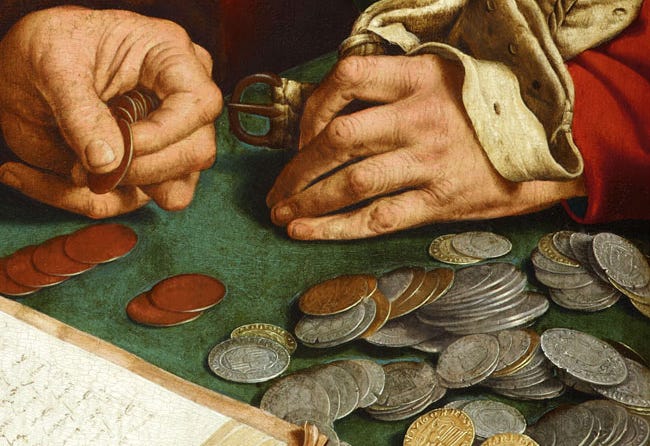
Patronage was how artists made their living, therefore they didn’t receive a steady income unless they were actively creating art. Necessity is the mother of invention, right? Patrons would put up the funds for a particular project — often Church artwork or private commissions for nobility — and the artist would see that project through. Art, then, flowed downstream from concentrated wealth.
Patrons of the Renaissance
To illustrate the concept of patronage, it will be helpful to highlight some examples. By far the most prolific patrons of the Renaissance were the Medici’s, a prominent Italian banking family and political dynasty who ruled Florence. Though they left a significant legacy in the political world, their greatest influence was on art.
Giovanni Medici, founder of the Medici bank, was one of the first great patrons of the Renaissance. In 1418 he commissioned artists Masaccio and Brunelleschi to construct the sacristy in the Church of San Lorenzo, and chose Donatello to create the sculptures. Giovanni’s son, Cosimo the Elder, was also a prolific patron, spending approximately 600,000 gold florins (roughly. $500 million today) on art and culture, including Donatello's David, the first freestanding nude male statue since the Roman era.
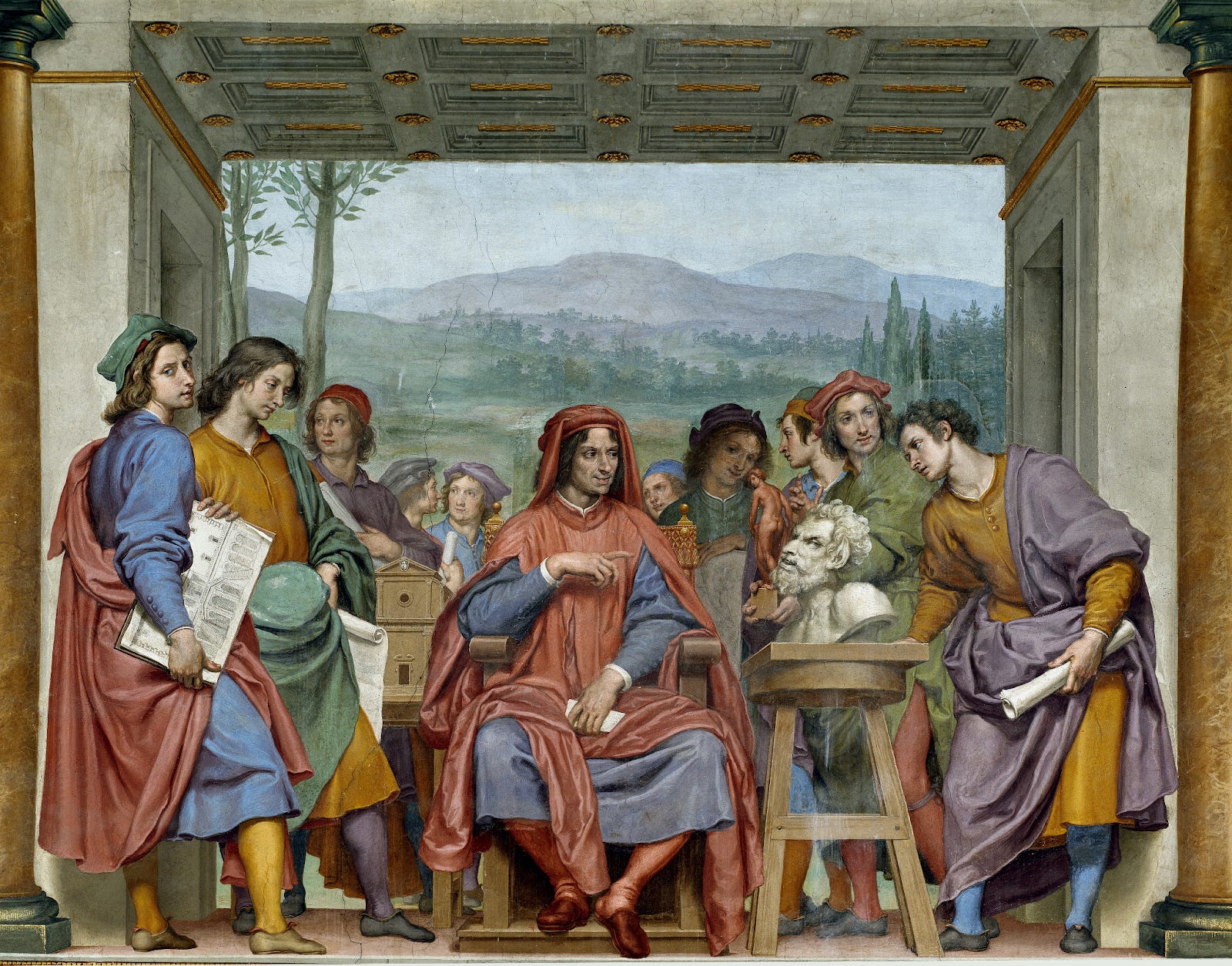
The most famous protégé of the Medici family was none other than Michelangelo. He produced work for multiple members of the family including Lorenzo the Magnificent, who allowed the artist to study the family’s antique sculpture collection. Perhaps some of Michaelagnelo’s famous sculptures were inspired by the collection.
Popes also supported the arts, particularly Pope Julius II who patronized Raphael and Michelangelo. Several of Michelangelo's greatest works, including the ceiling of the Sistine Chapel, were commissioned by Julius.
The artistic explosion of the Renaissance was largely fueled by wealthy aristocrats, but patronage didn’t end altogether when Europe transitioned toward more democratic means of government…
