

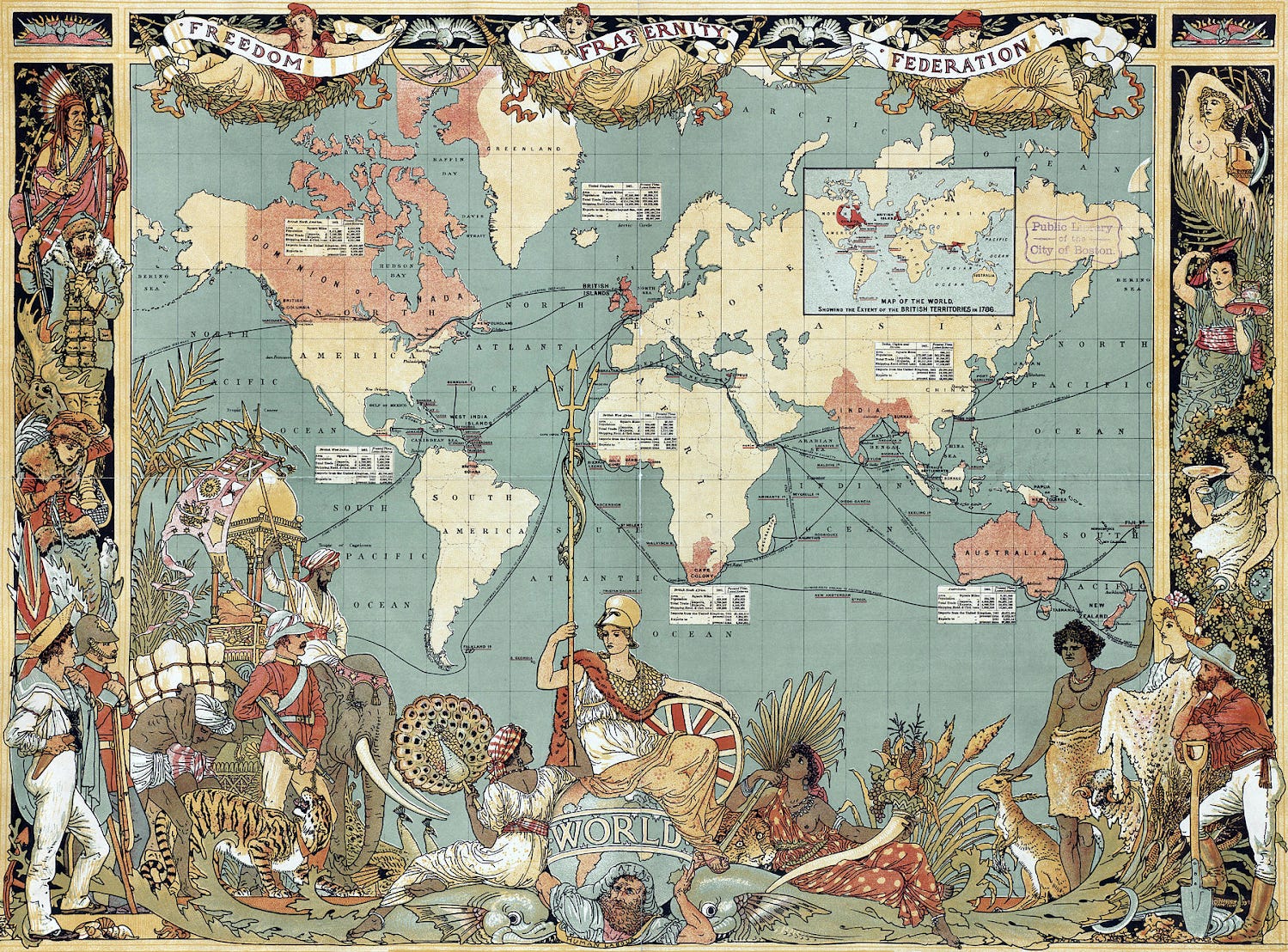
Perhaps no other culture has been more loudly chastised for the sin of slavery than Western civilization — and in particular the English speaking world. The British Empire has long been decried as an empire whose wealth was acquired primarily on the backs of the oppressed.
Even decades after their withdrawal, some nations still blame the British for their current economic woes, often citing outlandish statistics that posit Britain stole so much wealth from their counties that they have yet to recover. Take India for example, a nation where it is claimed a whopping $45 trillion in today’s dollars were stolen between 1765 and 1938.
This figure has largely been discredited, and doesn’t pass the smell test when one considers how much infrastructure and resources were invested in India by the British. In the larger context, many of Britain’s colonies were actually money losing operations.
But besides the economic analysis, what cannot be denied is that many of Britain’s policies were net benefits for the peoples they ruled.
Sounds outlandish right?
Well, in many places that the British Empire occupied it raised the standard of living, developed infrastructure, and promoted education for the local populace. And regarding the slavery question, no other nation did more to end slavery than Great Britain. Here’s how…
Reminder: You can support us by unlocking our members-only content:
✔️ Full articles every Tuesday
✔️ The entire archive of content: Western history, literature, and culture
✔️ The Great Books lists (Hundreds of titles that influenced Western thought)
Join to start reading and support the mission today 👇
Setting the Stage
Britain’s unique position as the global naval power was instrumental in allowing it to combat slavery so effectively. Though empires often have a negative connotation today, it was precisely Britain’s dominance that gave it the authority and resources to wage war against the age-old practice.
Though Great Britain had been a formidable power since the early 17th century, it wasn’t until Napoleon’s defeat at Waterloo in 1815 that it emerged as the sole global power. By eliminating France from the world’s stage, Britain was left without a serious competitor.
The century following Napoleon’s defeat is sometimes called the “Pax Britannica” because of the relative prosperity enjoyed by Europe during this time. The presence of a single world power created stability and kept conflicts to a minimum. Nearly 100 years passed without a major world conflict.
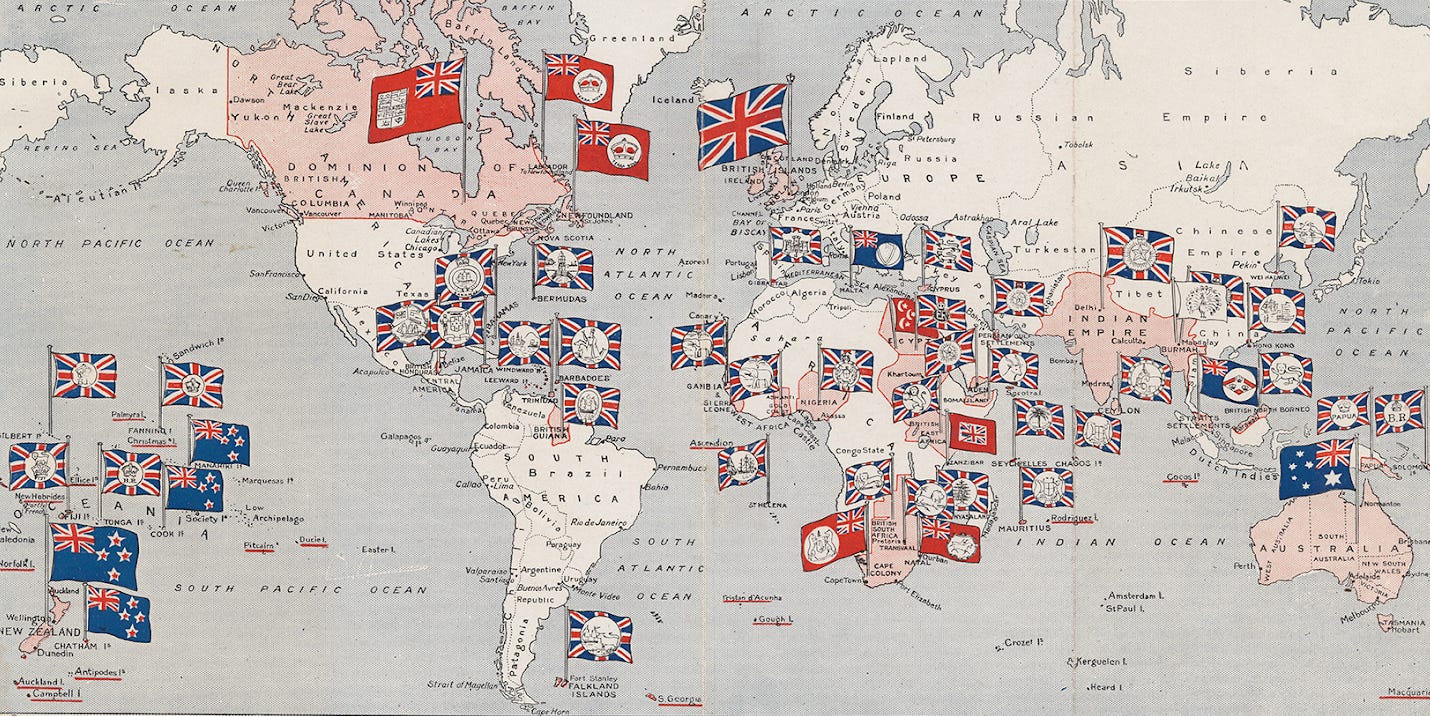
Specifically it was Britain’s unmatched navy that maintained its dominance across the globe. The British Royal Navy was more than twice the size of the next largest navy. Though their ships weren’t vastly superior to others’, their sailors were at sea almost continuously making them the most experienced in the world.
British ships controlled most of the key trade routes in Asia, North America, and Africa, allowing its merchants and traders an overwhelming advantage compared to other nations — and Britain got incredibly rich off of sea power. But Britain didn’t just use its Naval supremacy to fill its coffers…
A Force For Good
The Royal Navy became a source of peace and stability for the world in a military and economic sense, but British ships were also on the frontline in a very direct way against one of the darkest practices in human history: the slave trade.
