

We’ve all heard of King Leonidas and the famous 300 Greek warriors defending heroically yet tragically against the tens of thousands of Persian invaders at Thermopylae.
But have you heard how the 500 Spaniards conquered 100,000+ Aztec warriors?
There are caveats galore in Hernan Cortes’ defeat of the massive Aztec Empire, but the Spanish conquistadors still succeeded with a minute fraction of the manpower of their enemies. How did they do it?
In short, the Spanish conquistadors were masters of tactical, technological, and political strategy. The logistics of waging a war thousands of miles away was daunting enough, but doing it with such a small force against an empire seemed impossible.
Here’s how the Conquistadors reinvented the art of conquest in the Americas — and it’s not just by guns and germs.
Reminder: You can support us by unlocking our members-only content:
✔️ Full-length articles every Tuesday and Friday
✔️ The entire archive of content: Western history, literature, and philosophy
✔️ Members-only features like community posts and chat
Join to start reading and support the mission today 👇
The Conquistadors
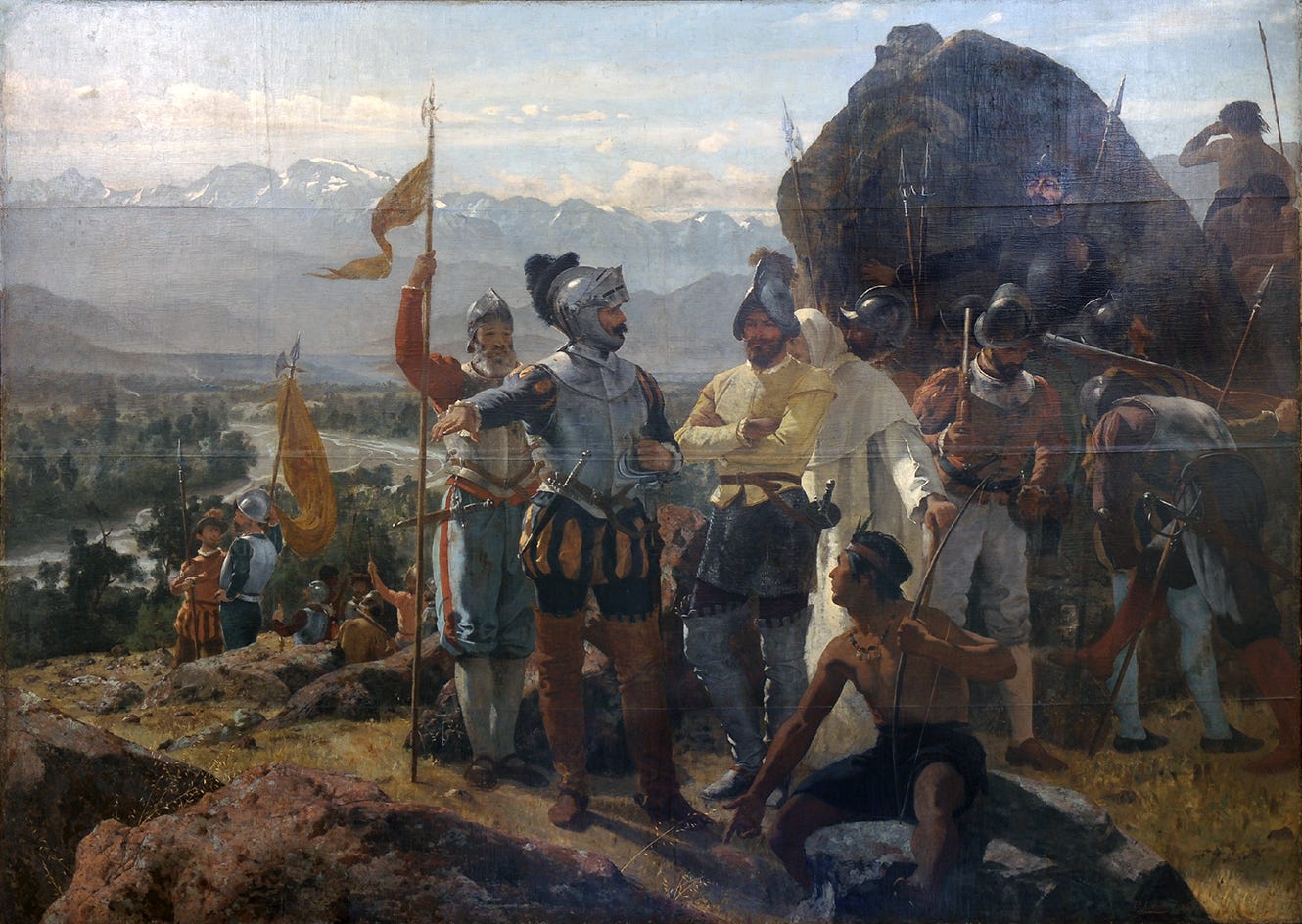
Conquistadors were the Spanish and Portuguese arms of their respective crowns that explored, traded, and began colonization across the globe during the Age of Discovery. They acted like a net that Spain and Portugal would cast over the Americas, Africa, and Asia to claim new territories by colonization, establish new trade routes, and seek out new riches in metals and spices.
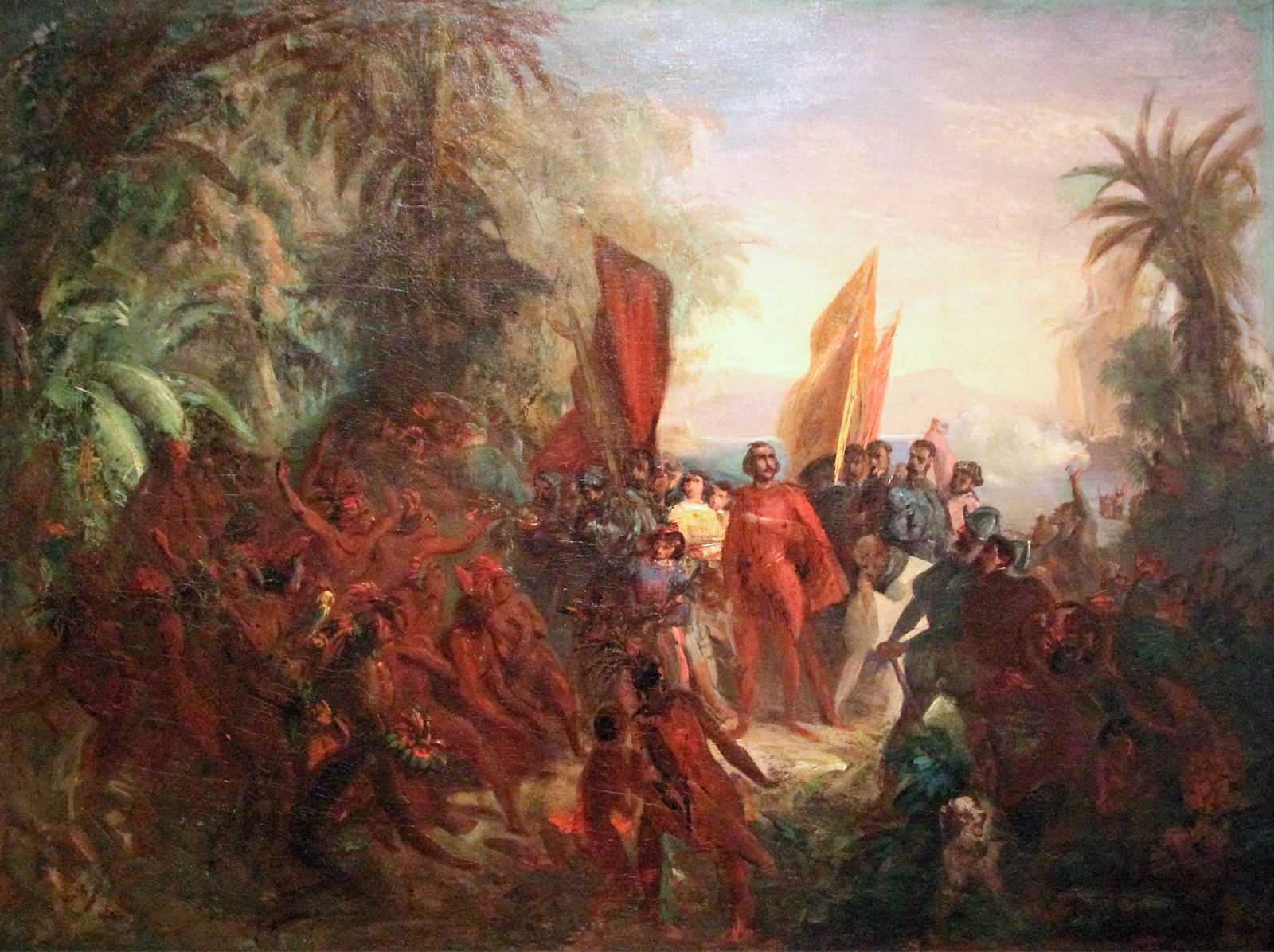
Colonization of the Americas was swift. After Christopher Columbus’ initial voyage in 1492, Hernan Cortes would meet, battle, and ultimately conquer the Aztec Empire just under 30 years later.
However, the path to defeating the native empires was far from clear. The conquistadors, with few forces of their own, would have to get creative.
Make Friends
The conquistadors’ grand strategy to conquer the New World relied on toppling its great empires, particularly the Inca and the Aztecs.
With extraordinarily limited resources, the conquistadors faced impossible numbers in confronting these empires directly. The Spanish and Portuguese could only muster upwards of only a couple thousand soldiers against hundreds of thousands of Aztec and Incan warriors. Even with steel and guns, a frontal assault appeared impossible.
And this is what most armchair historians forget about the conquistadors: they didn’t do it alone.
The conquistadors were deal-makers, uniters of the underdogs, masters of stratagem — and these combined to make them also the bane of New World empires.
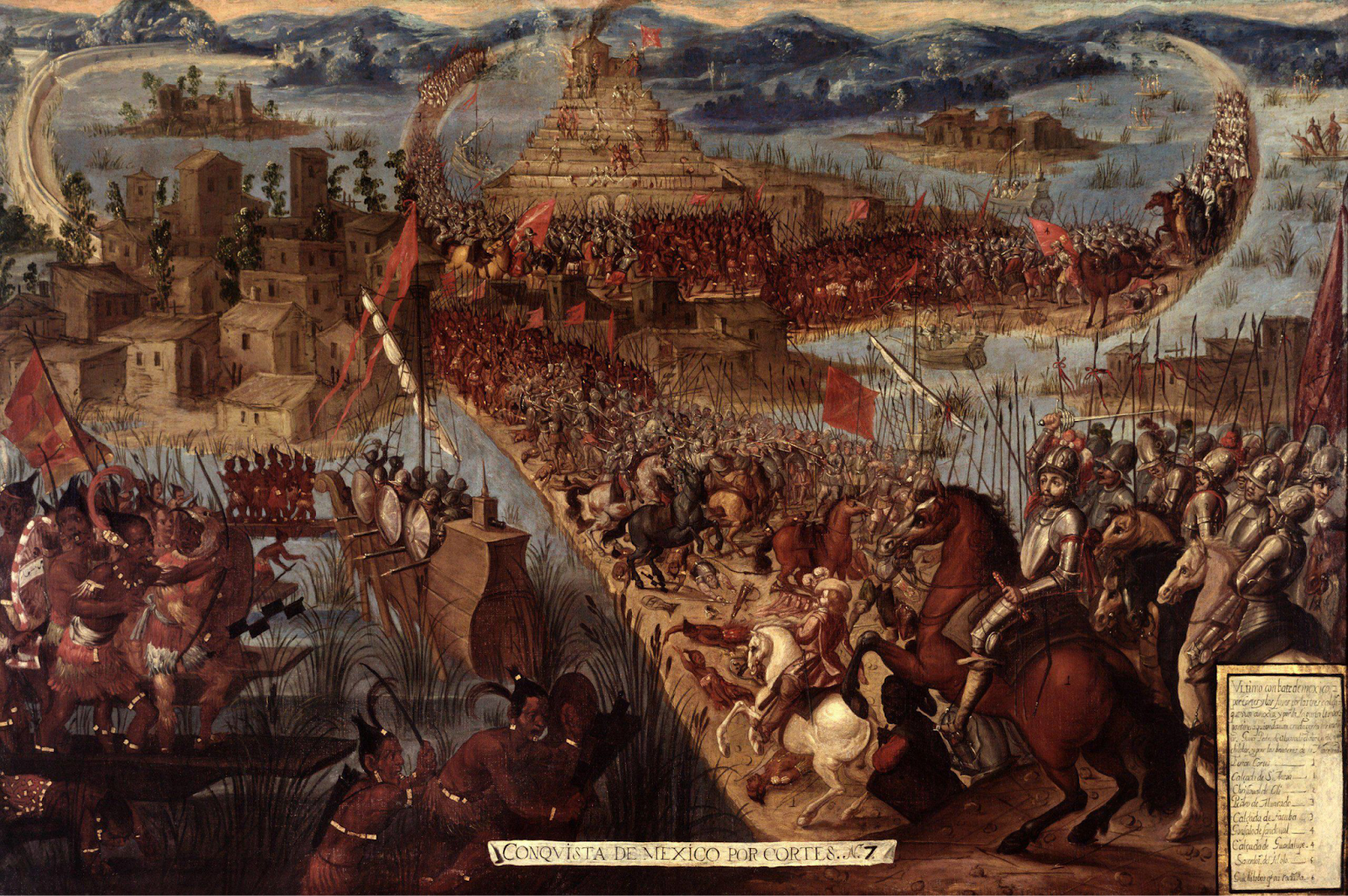
When Hernan Cortes assaulted the Aztec empire — he started with 500 conquistadors. During the war, his Spanish forces swelled to a whopping 2000 soldiers at most. Meanwhile, the besieged Aztec capital of Tenochtitlan comprised 100 times the manpower.
On the route to Tenochtitlan, Cortes made alliances with the natives: the Totanacs of Compoala and the Nahuas of Tlaxcala. If he didn’t have the numbers to fight the Aztecs, Cortes would find them.
However, not all smaller tribes welcomed the newcomers. The Spanish and Tlaxcalans clashed in a series of battles in 1519. But in this instance, Cortes wanted peace, not war, and continued to release native prisoners with messages of peace to the Tlaxcalan leadership. Realizing the Spaniards shared a mutual enemy in the Aztecs, the Tlaxcalans joined Cortes. The Spanish conquistador was growing stronger.
Cuff the Leaders
Not all Cortes’ tactics were noble, however. In Cholula, the second largest Aztec city, Cortes alongside the Tlaxcalans collected and massacred thousands of unarmed Aztec nobility in the city plaza.
To the Spanish, all was fair in the war against the Aztecs, at least to Cortes. Moctezuma II, leader of the Aztec empire, decided to welcome the oncoming army of Spaniards and rival tribes.
Cortes quickly hatched a new plan, and instead of assaulting Tenochtitlan head-on, took Moctezuma as a hostage, through which Cortes could indirectly rule. By capturing the leadership, the conquistadors could destabilize the entire political structure of their enemies while hardly firing a shot.
While this no doubt weakened the empire, it didn’t fall overnight. The population caught on to the ruse, stoned their puppet leader, and chased the Spaniards out of Tenochtitlan. Nonetheless, great damage was done in the capital: chaos, frustration, and anger had set in amongst the people and leaders of the Aztecs. All Cortes had to do was to return and finish the job.
He laid a proper siege to Tenochtitlan with around a 1000 Spanish soldiers, 16 cannons, and upwards of 200,000 native allies. The 80,000 defending warriors were defeated, and the Aztec empire — hated by many of its native neighbors — breathed its last.
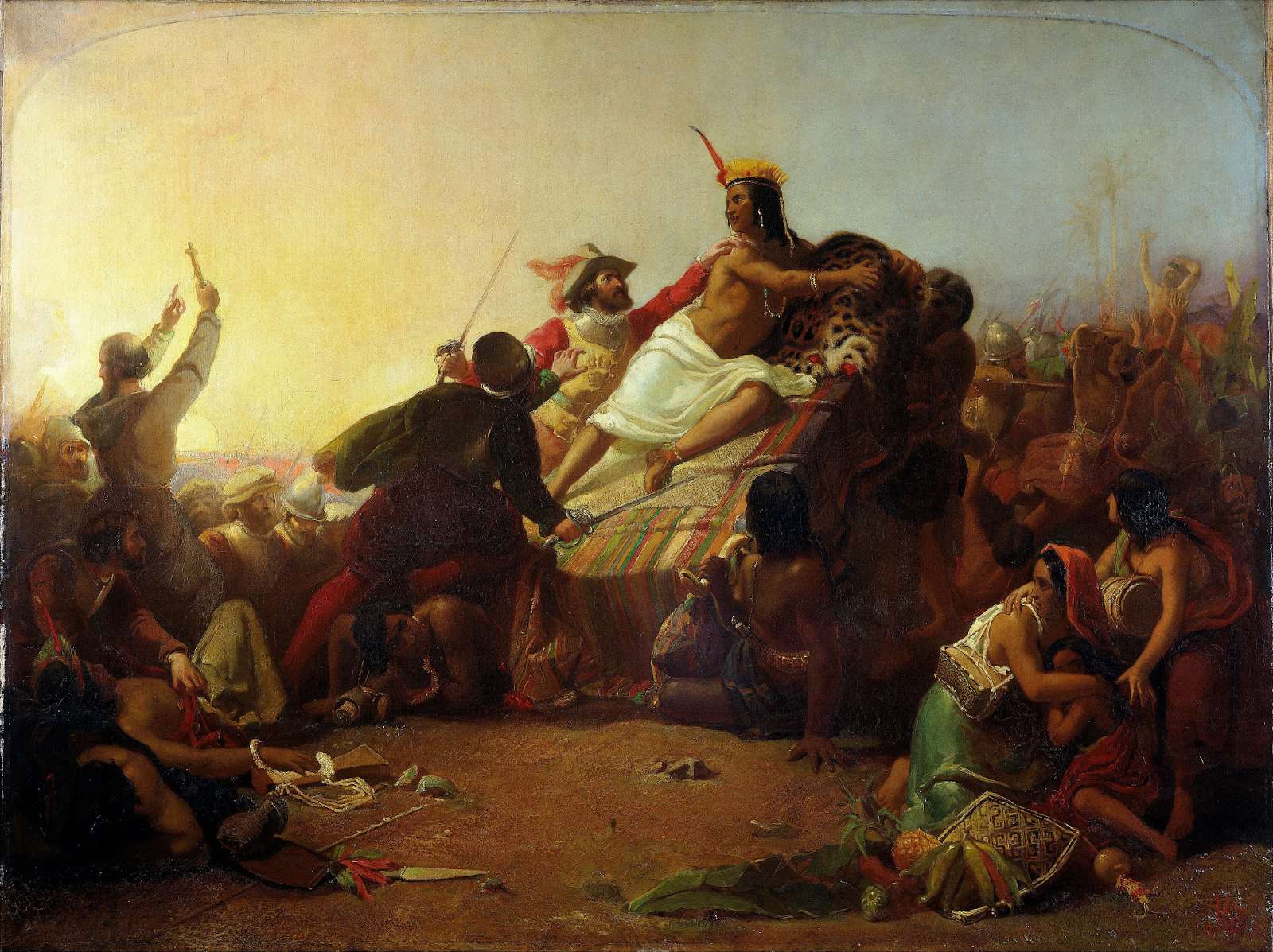
The Spanish conquistadors would employ many of these same tactics through Francisco Pizarro in crushing the Incan Empire in the same century: namely forming alliances based on a mutual enemy and capturing enemy leadership.
However, the formula for conquest required more…
