

Andrew Carnegie is often credited with ushering in America’s “Gilded Age” via the industrial empire he forged. His reputation is one of a cunning capitalist who helped transform the nation into an economic powerhouse at the turn of the 20th century. He became one of the wealthiest men in American history.
But his wealth wasn’t just for his private use — he believed he had a responsibility to care for the common man, too. Thus he patronized the arts, built over 3,000 public libraries, and funded museums and music halls at his own expense. He even claimed that providing education and beauty to the masses was the “noblest possible use of wealth.” — why?
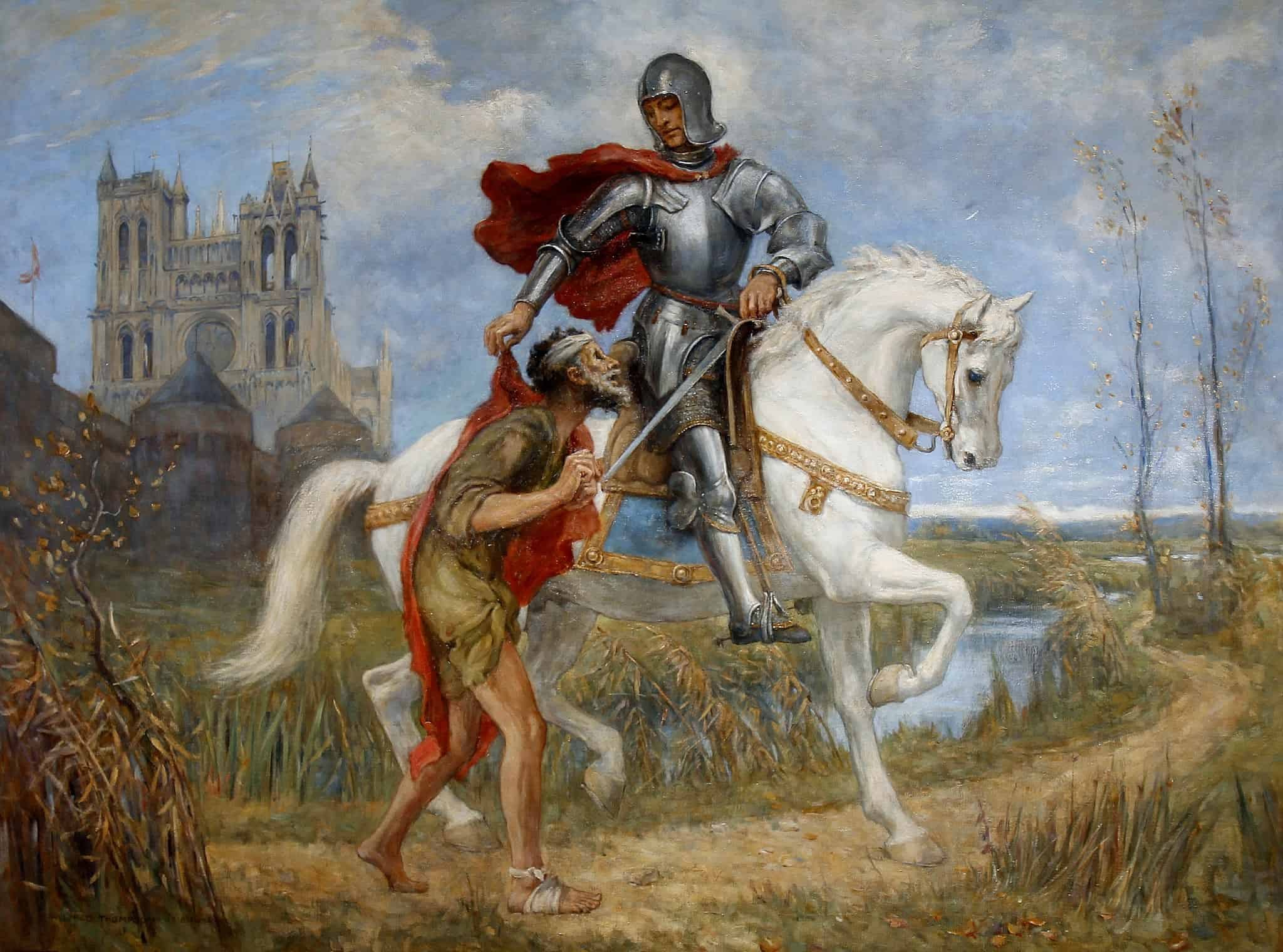
Though he might not have called it by name, Carnegie followed the principle of noblesse oblige — the idea that the wealthy or powerful in a society have an obligation to lift up the poor and weak.
It’s a forgotten virtue that sorely needs to be resurrected. Here’s an introduction to noblesse oblige and how we can implement it today.
Reminder: You can support us in forming minds and rebuilding the West by unlocking our members-only content:
✔️ Full premium articles every Tuesday + Free content Thursdays
✔️ The entire archive: Western history, literature, and culture
✔️ The Great Books lists (Hundreds of titles that influenced Western thought)
Join to start reading and support the mission today 👇
Classical Origins
The meaning of noblesse oblige can be summed up simply: privilege entails responsibility. More precisely, though, it can be described by two principles:
Whoever claims to be noble must conduct himself nobly.
One must act in a fashion that conforms to one’s position and privileges with which one has been born, bestowed, or has earned.
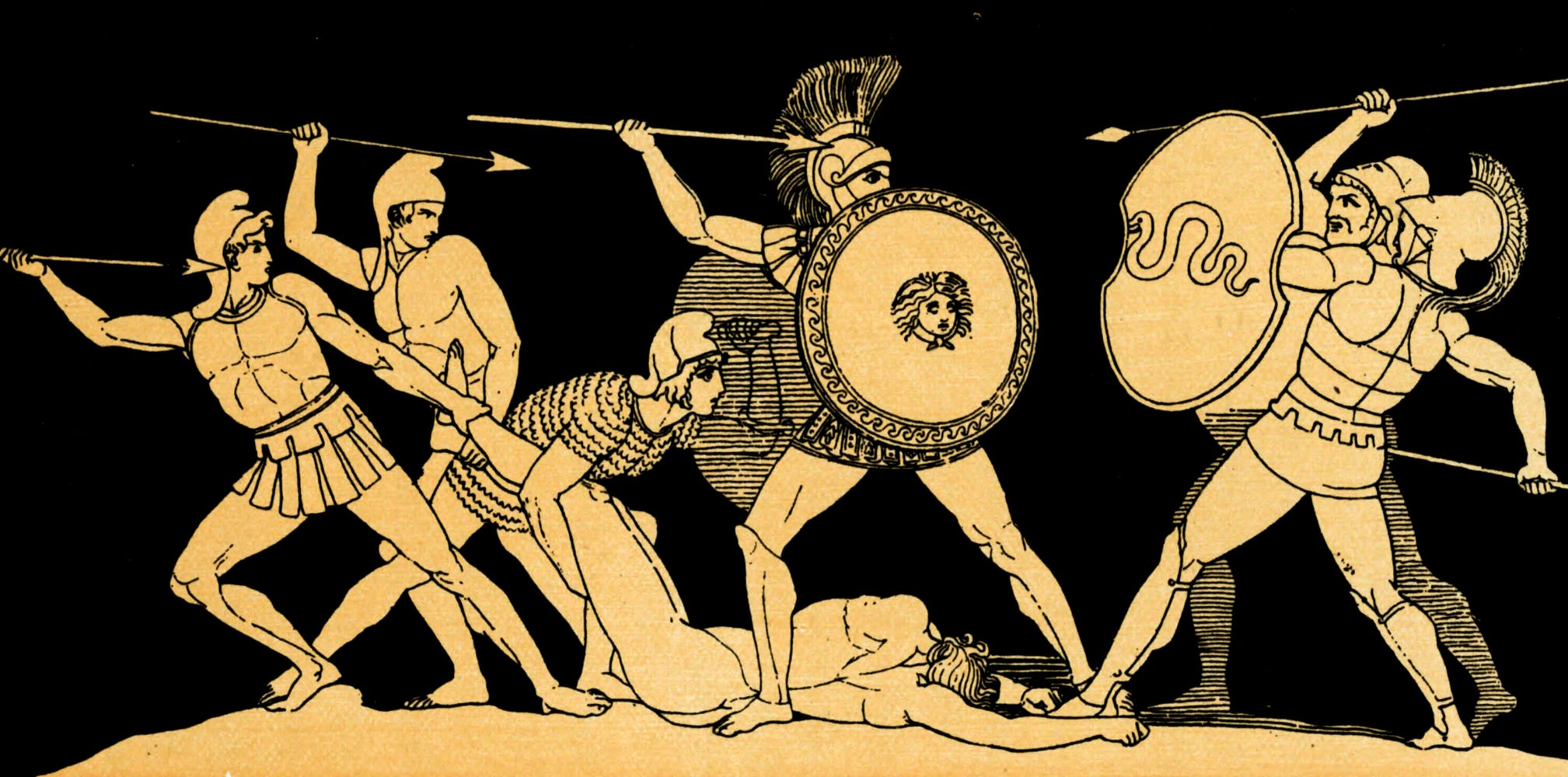
Noblesse oblige is a French term literally translating to “nobility obliges,” but its origins go way back to at least ancient Greece. For example, Homer’s Iliad hints at the concept when, in Book XII, the hero Sarpedon urges his comrade Glaucus to fight with him in the front ranks of battle. Homer writes:
“’Tis ours, the dignity they give to grace
The first in valour, as the first in place;
That when with wondering eyes our confidential bands
Behold our deeds transcending our commands,
Such, they may cry, deserve the sovereign state,
Whom those that envy dare not imitate!”
Homer is pointing out how those “first in place” — the privileged class or the elite warriors — have an obligation to lead their soldiers from the front, to be “first in valor.” It’s a call to earn the position that they occupy so that they are deemed deserving of their privilege.
Aside from mythology, the ancient Greeks had a version of noblesse oblige called euergetism (roughly translated as “do good deeds”), a social expectation that wealthy individuals should distribute part of their wealth to the community. This often took the form of funding public institutions, which derived their legitimacy from the backing of wealthy individuals. This is evidenced in 355 BC, when the Athenian statesman Demosthenes mentioned how the rich had failed in their duty to contribute to the community in his work Against Leptines, and Xenophon hints at similar themes in some of his works.
A more formal instantiation of euergetism was the position of choregos — a wealthy Athenian citizen who took on the public duty of financing the chorus and other aspects of the production of plays that were not funded by the polis, or city state.
Though philanthropic on its surface, many speculate that euergetism did not come from a genuine love for the people, but rather was a way of placating the masses, ensuring poor citizens didn’t revolt. The philosopher Aristotle supports this theory in his work Politics:
“[the rich] will make magnificent sacrifices, and build some monuments and the people, then taking part in the banquets and feasts, and seeing the city splendidly decorated temples and buildings, wish to maintain the constitution [government]…”
Ancient Rome adopted the patron-client system, a practice where high status Romans offered favors for clients in return for political support. Though initially transactional in nature, this generosity toward clients eventually expanded into a more general charity toward the poor.
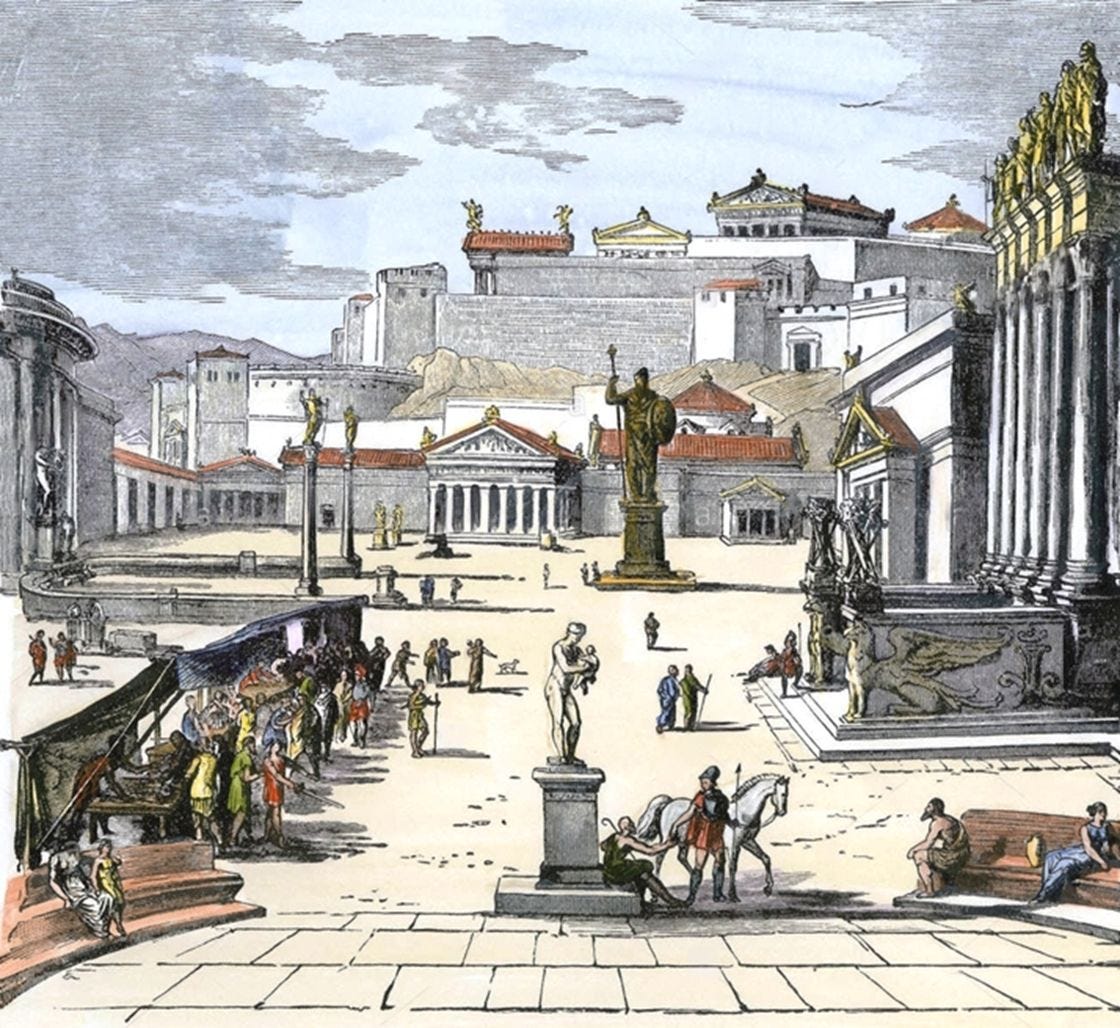
Wealthy Romans often supported public entertainment like games, or built amenities like theaters, libraries, or baths. It’s not uncommon to find the inscription D.S.P.F. (de sua pecunia fecit, “done with his own money”) on a building indicating a wealthy Roman had funded it.
These types of charitable customs were precursors to noblesse oblige, but they didn’t encompass the entire concept. Christianity would be instrumental in establishing noblesse oblige in its fullest form…
A Biblical Expectation
Despite having roots in antiquity, the medieval and modern conceptions of noblesse oblige stem mostly from Biblical teaching. In the Gospel of Luke, Jesus says:
“Everyone to whom much was given, of him much will be required, and from him to whom they entrusted much, they will demand the more.”
Thus a clear expectation is established from privileged members of society toward the poor. And like other commandments of Christ, these words were not taken lightly especially by the earliest Christians…
