

Your choice of heroes is the most important decision you’ll ever make.
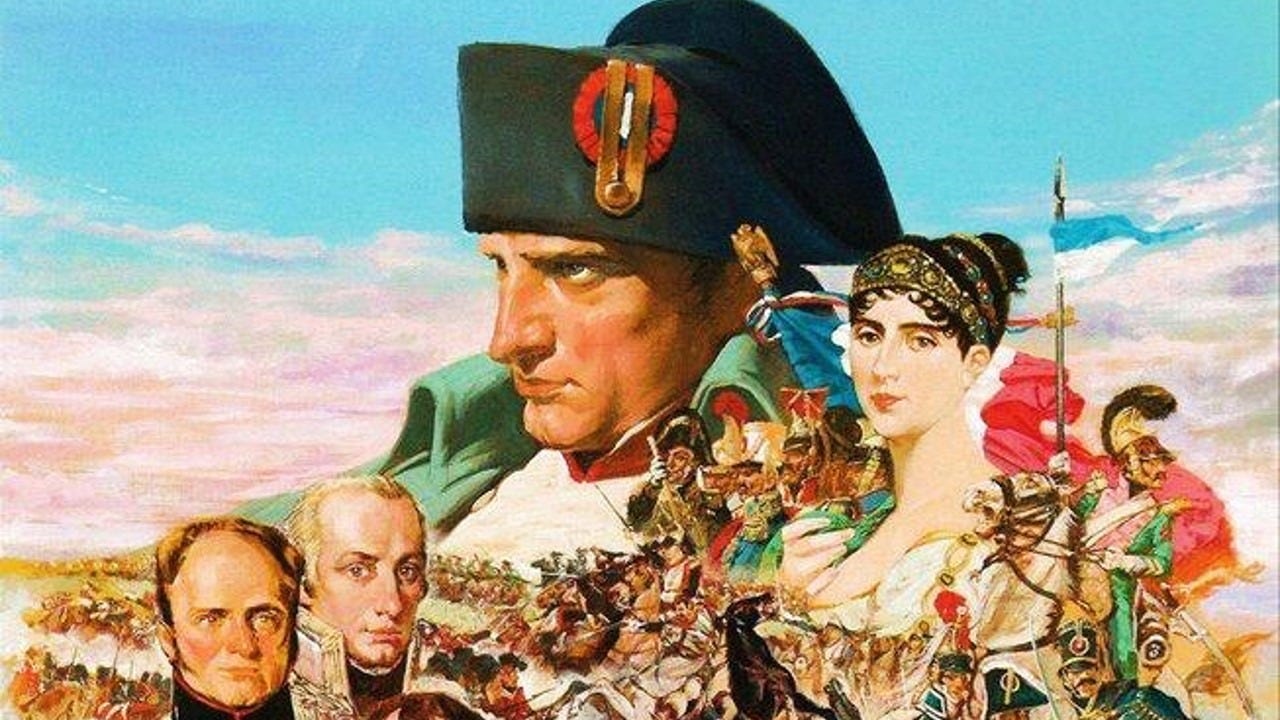
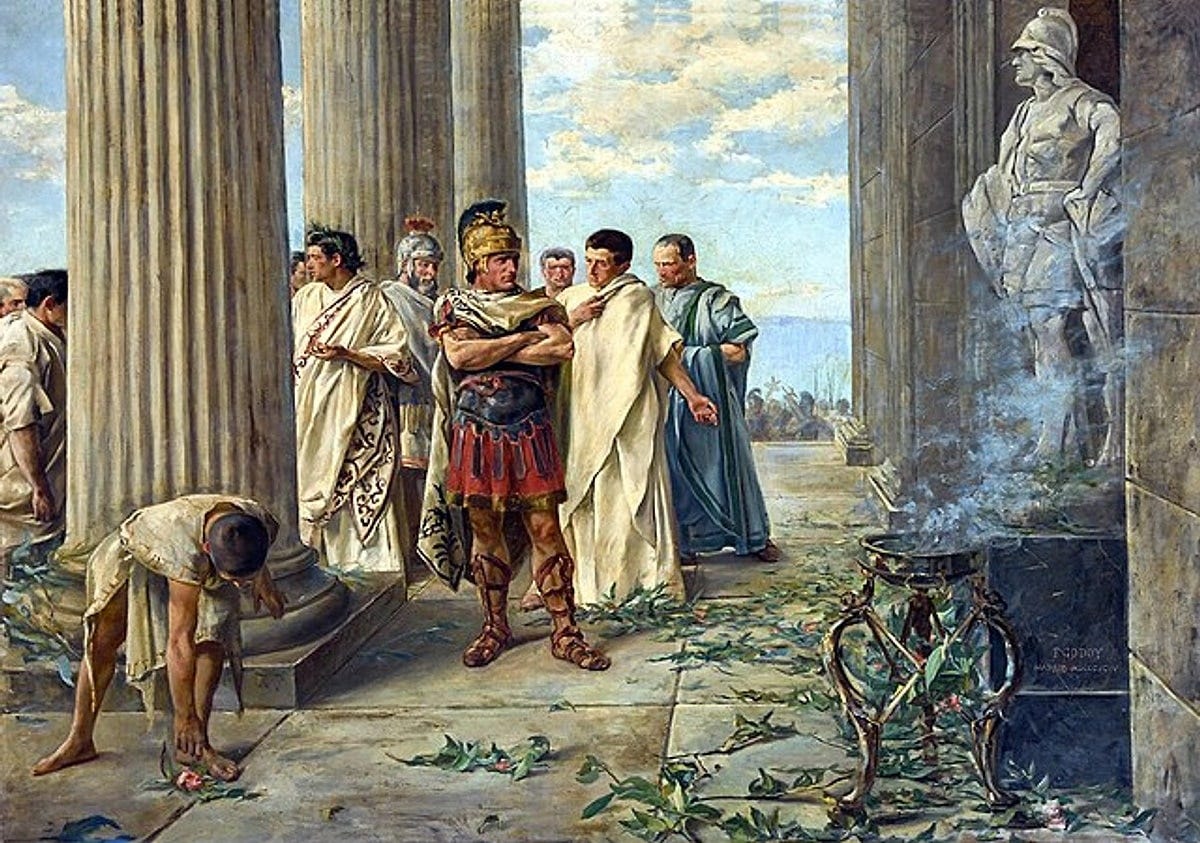
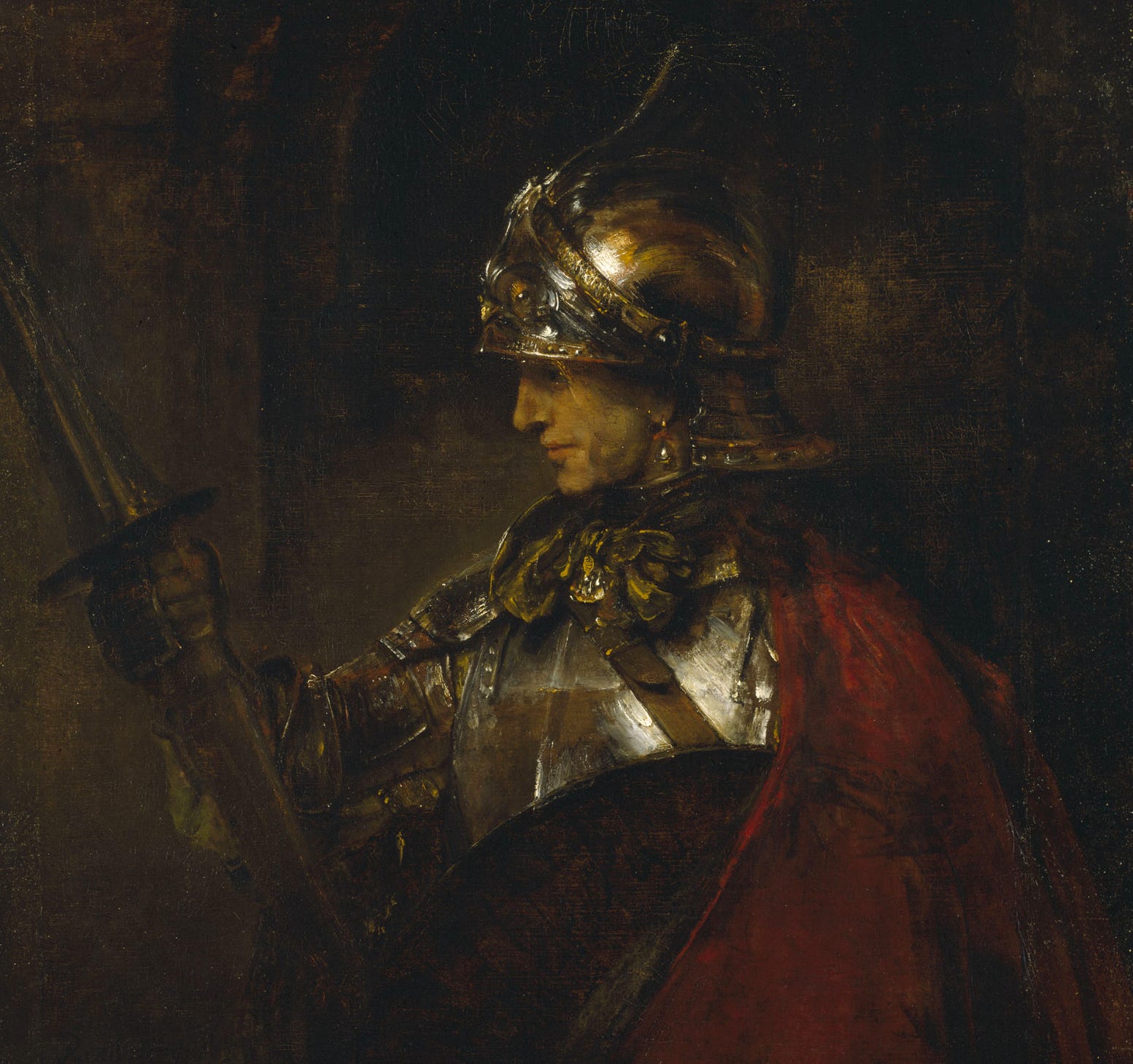
Why? Because Napoleon spent his entire life trying to be Caesar. Caesar idolized Alexander the Great, and Alexander imagined himself as the next Achilles. Who you idolize shapes who you become.
From a historical perspective, focusing on “the greats” can force us to wrestle with difficult yet vital questions on a societal level: Who should we hold up as exemplary figures in our society? Who should we teach our young men and women to emulate?
The framing of history that addresses these questions head on is the Great Man Theory of history. It’s a controversial idea proposed by 19th-century historian Thomas Carlyle, who argued that “The history of the world is but the biography of great men.”
Carlyle believed that history isn’t shaped by the masses, but by the will of heroes — elite figures who should be followed and revered for their inherent genius. But this isn’t simply a history lesson. If Carlyle is right, it means your choice of who to follow is the single most important factor in who you will become.
So let’s uncover the secrets of the Great Man Theory — how you can use it to unlock your full potential, and also, why you’ve probably never been taught it in your school’s history class….
The Driving Force of History
So first, where did Great Man Theory come from, and just what exactly does it say?
Thomas Carlyle first gave a series of lectures on the topic of heroism in 1840. These lectures were later published into a book entitled On Heroes, Hero Worship, and the Heroic in History. One of the book’s main theses was the Great Man Theory of history.
Carlyle argued that heroes shape history through both their personal attributes and “divine inspiration” — the world essentially turns on the ideas and decisions of elite men. Carlyle writes:
“Universal History, the history of what man has accomplished in this world, is at bottom the History of the Great Men who have worked here. They were the leaders of men, these great ones; the modelers, patterns, and in a wide sense creators, of whatsoever the general mass of men contrived to do or to attain…the soul of the whole world’s history, it may justly be considered, were the history of these.”
But how do these great men emerge? Where do they come from? And what makes one great in the first place?
Carlyle based his theory on a couple assumptions. The first assumption is that great leaders are born, not made — Carlyle emphasized nature over nurture. Heroes inherently possess the traits that enable them to rise to the occasion and lead on instinct. Therefore, those who rise to power usually deserve to lead because of their abilities.
The second assumption is that great men rise only when a unique set of circumstances plays out — they don’t emerge in a vacuum. Though every aspect of history isn’t necessarily dependent on great men, heroes are the decisive factor in solving the problems of societies. They’re the weight that tips the scales one way or another.
What Defines a Great Man?
Carlyle’s heroes are utterly unique and possess a certain creative genius that can’t be made up for with any amount of raw manpower. How many Roman legions are the equivalent to a Julius Caesar? How many minor poets will give us a Shakespeare? The hero is unquantifiable.
Carlyle’s hero is somewhat similar to Aristotle’s conception of the magnanimous, or “great-souled,” man. The great-souled man is a man who possesses archetypal human virtue in the active sense, meaning he acts upon the world as opposed to having a more contemplative nature. The magnanimous man is a person of action.
In Carlyle’s conception, the hero isn’t perfect, though. The world is filled with contradictions that the hero has to deal with. Thus, all heroes will be flawed.
But here’s the key…
It’s precisely because they aren’t perfect that they can serve as a pattern for others to imitate. This imitation is the force that moves history forward. For example, Alexander the Great and his phalanxes set the template for ancient warfare. It would be hundreds of years before his methods were defeated. Likewise, Napoleon used artillery in an overwhelming fashion in a way no one had done before. Future generals took note and copied his tactics.
But Carlyle’s heroes aren’t just military or political figures. He identified six types of hero, encompassing all facets of human life:
the divine hero (like Odin)
the prophet (like Muhammad)
the poet (like Shakespeare)
he priest (like Martin Luther)
the man of letters (like Rousseau) and
the king (like Napoleon)
Thus there is a hero for every interest one can have. And this is where it gets personal, because Carlyle believed that who our heroes are shapes us…
