

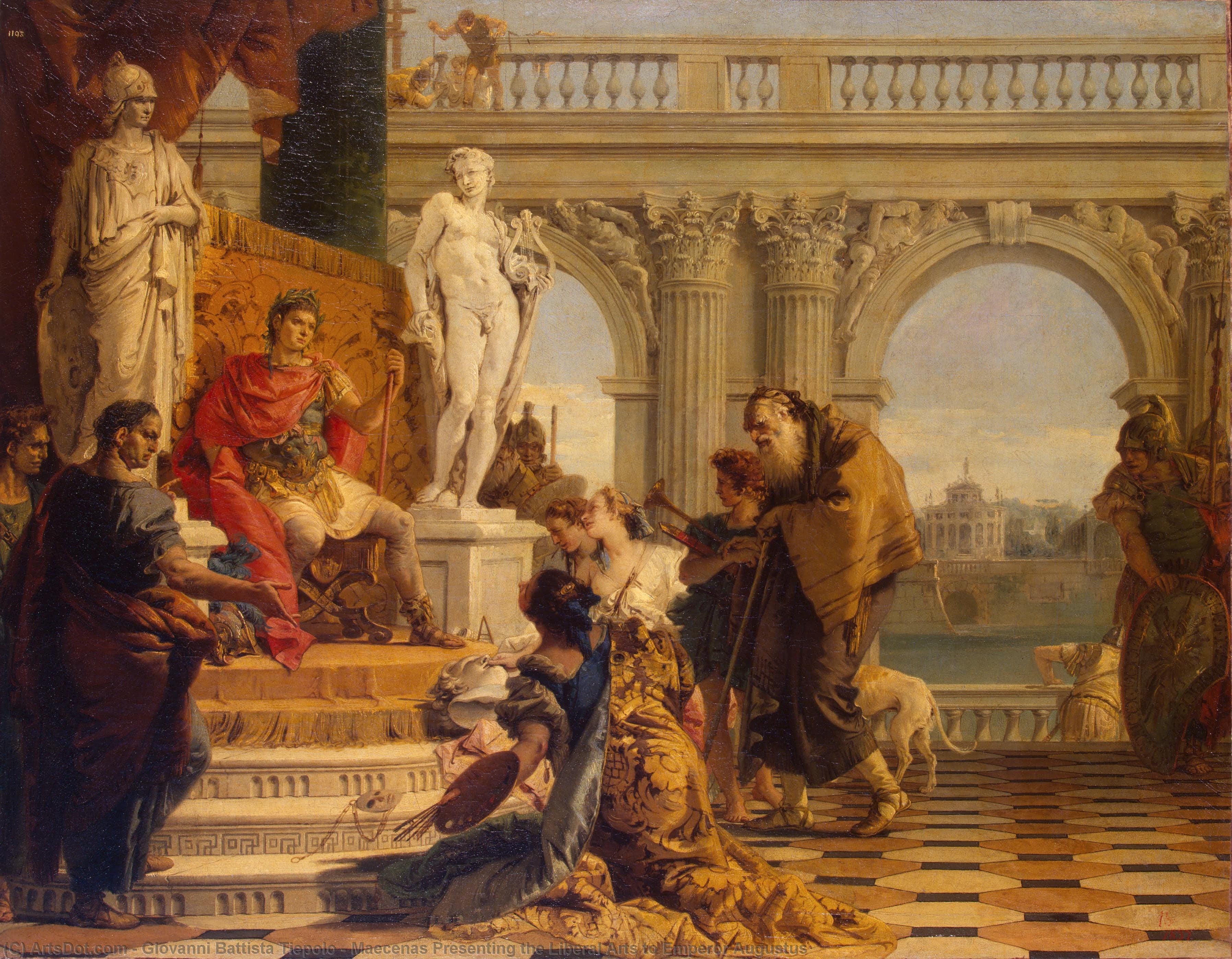
The empire of Caesar Augustus had its share of problems: falling birth rates, declining religion, and political turmoil.
Sounds familiar right? Though the similarities between Rome and the modern day West have been parroted ad nauseam, there’s truth to many of the comparisons. In the grand scheme of history the problems of one culture so often pop up in others — which also means the solutions that aided one civilization might be helpful for its predecessors, too.
So how did Rome address its potentially civilization-ending problems? Augustus looked to the past — to tradition — to lay the foundation for his fledgling empire. Let’s explore what he did, and why it still matters 2000 years later…
A Disenchanted People
The empire that Caesar Augustus birthed began on rocky footing. Civil conflict had engulfed Rome since Julius Caesar’s assassination in 44 BC; now, faith in its civil and religious institutions was waning — hardly surprising given the instability of the previous decades.
True believers in the old institutions had only to remember Cicero, staunch defender of the Republic, to be dissuaded from resisting the new state of affairs. Cicero’s opposition to Caesar's Triumvirate, and more broadly centralized power, ended when he was assassinated in 43 BC. His head was then displayed in the Roman forum — a grim reminder that the old ways of doing things were very much not in vogue.
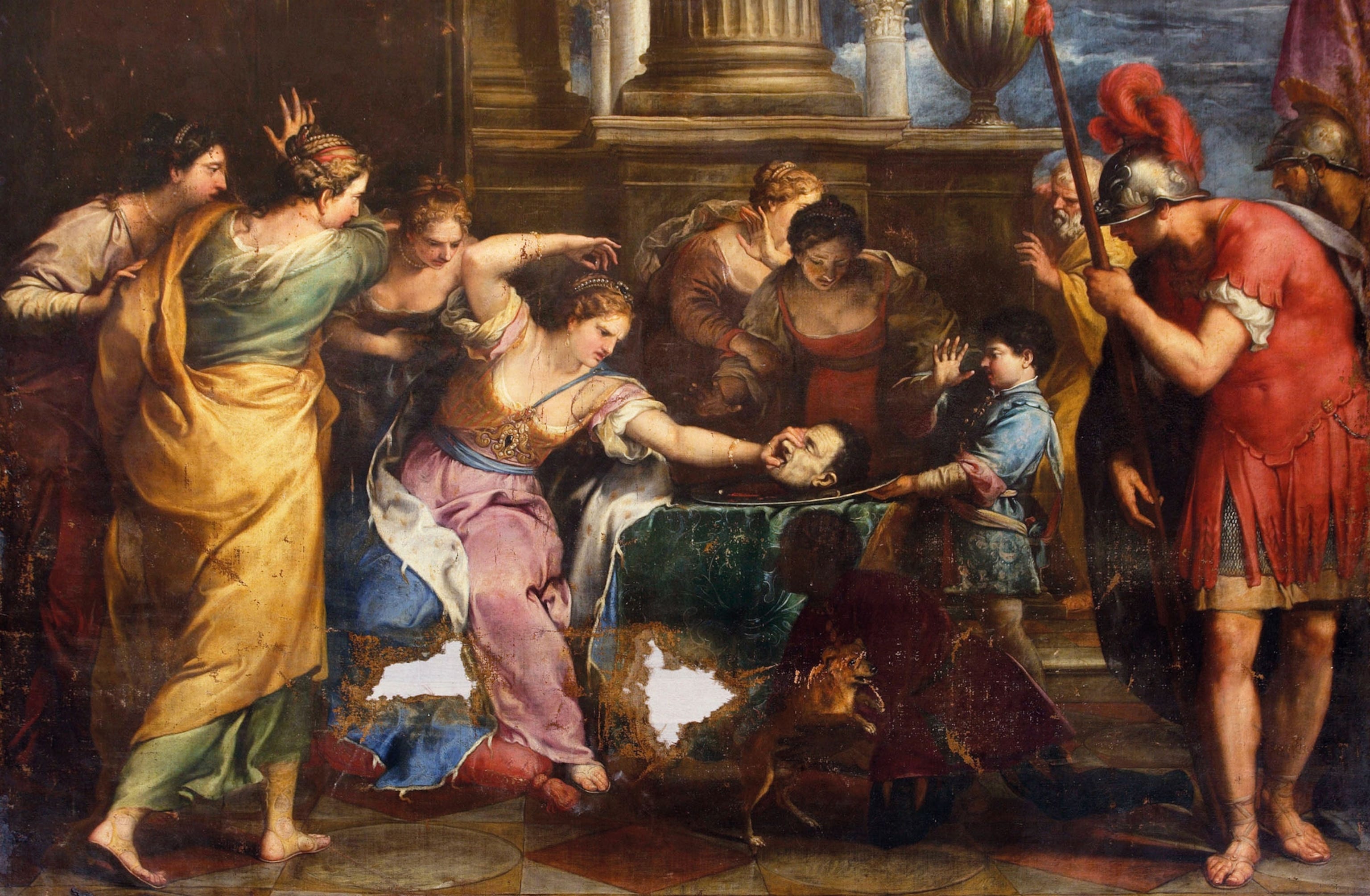
But traditionalists also remembered Cicero’s warning that it was Rome’s moral degradation that first led to the weakening of the Republic. Though the Republic was gone, Rome still needed a strong moral foundation, which Augustus observed was crumbling.
Reminder: You can support us by unlocking our members-only content: in-depth articles and breakdowns of the great figures and ideas that built Western Civilization.
Join to start reading and support the mission today 👇
First, the empire was experiencing a crisis of religious faith. According to Horace, one of the many poets in Augustus’ court, religion had taken a backseat to politics during the upheaval. Horace claimed that, in addition to their temples being left in disrepair, the gods’ “images and statues have become besmirched.”
Not only had their temples and idols been vandalized and allowed to crumble, the pantheon of Roman gods was being crowded out by cults to new and foreign deities — Romans were far from united in their beliefs.
Romans generally tolerated other religions and weren’t necessarily forbidden from celebrating foreign deities, but more traditionally-minded Roman elites often viewed mystery cults with suspicion due to their secrecy and strange rituals. If anything, the plethora of new cults signaled that things were changing, adding to the air of uneasiness in the empire. There would always be room for new gods in the empire, but a focus on traditional religion was needed to reassure some that not everything was changing.
On top of political and religious concerns, Augustus feared a declining birth rate would leave the empire devoid of future warriors and statesmen. In his view, the elites had forsaken their obligations, forgoing children to pursue vice — infidelity and licentiousness were common.
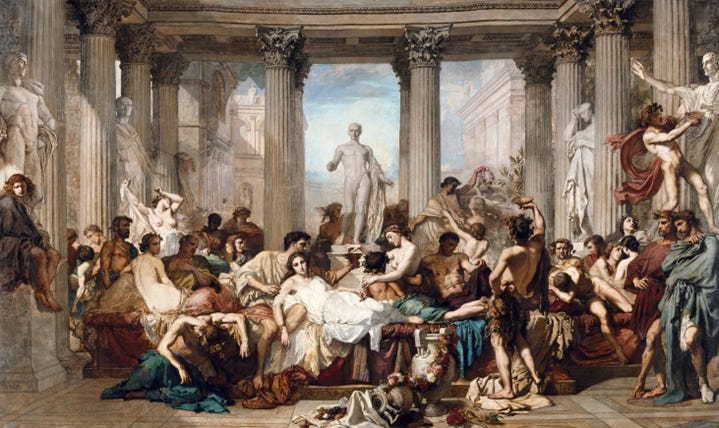
Horace claimed that marriage had fallen into disrepute. Girls took dancing lessons, studied acting, fornicated, and after marriage “looked for younger lovers”. Sometimes, even, their husbands connived with them in their indulgences.
Central to the issues of declining fertility and moral licentiousness was the disintegration of the Roman family — or at least, that’s how Augustus viewed things. He believed, ultimately, that the family needed to be restored to its former standards before the empire could heal.
A Resurrection of Ashes
So how might Augustus course correct an empire that seemed to be distancing itself from the principles that Rome was founded on? Horace offered an answer: resurrect the best of old Rome — renew the golden age that had disappeared during the years of civil war. The historian Livy, another contemporary of Augustus whose worked often highlighted Roman greatness, concurred with Horace, saying that a key to Roman peace and prosperity was the return of worship to the traditional gods.
