

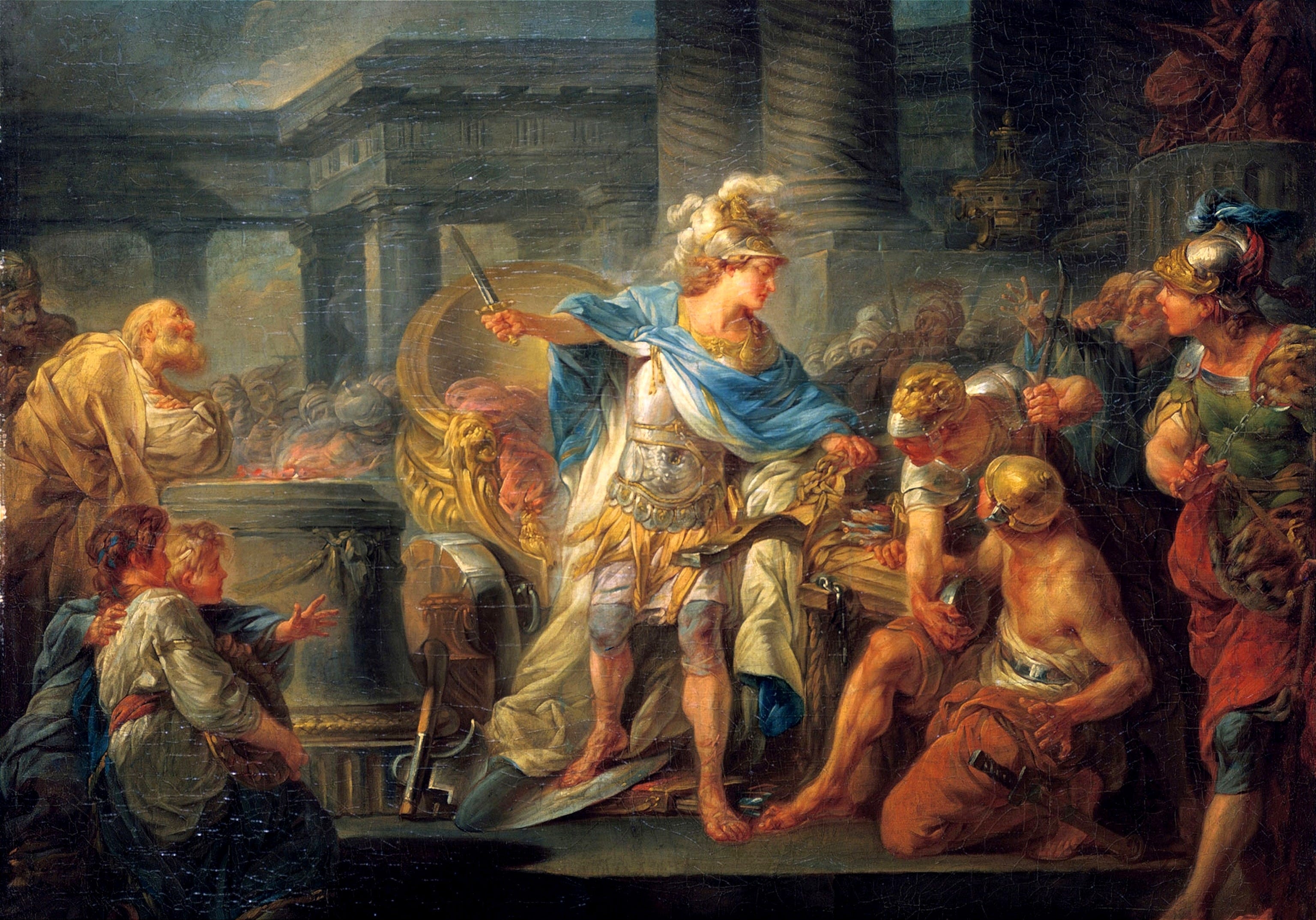
Alexander the Great is one of the most complex figures in history. Was he a hero of Western civilization who spread Greek influence, or a power-mad tyrant who subjugated millions to satisfy his own ego?
He was no doubt a man of radical extremes. One day, he’d show empathy to his defeated enemies; the next, he’d burn an entire city full of fellow Greeks to the ground.
Modern historians still debate how to categorize him, but one fact is undeniable: Alexander set out to conquer the known world and he came closer than any human being in history to achieving his goal.
He succeeded where countless leaders failed before him. And since his death, the greatest commanders in history have tried — and failed — to replicate what he achieved.
So the question is: what made him so special? What made him unstoppable?
We can analyze his battle tactics, his logistics, or even his luck, but ultimately, when we analyze the great figures of history, it’s important to understand their character — what were the personality traits and daily habits that made them different?
Alexander operated on a set of linked characteristics that all built on each other to accomplish the extraordinary.
It’s a template that we can use to achieve our own goals today, even if we aren’t leading phalanxes into battle or naming cities after ourselves. So here’s how to think like Alexander the Great to win life’s biggest battles, and it all starts with what defined him the most: absolute obsession…
Reminder: You can support us in forming minds and rebuilding the West by unlocking our members-only content:
✔️ Full premium articles every Tuesday
✔️ The entire archive: Western history, literature, and culture
✔️ The Great Books lists (Hundreds of titles that influenced Western thought)
Join to start reading and support the mission today 👇
Tunnel Vision For Conquest
The first thing to understand about Alexander is that he had a singular mind. He was completely focused on one mission: defeating the Persian empire and conquering the known world. And he evaluated everything by whether it helped or hindered this mission.
It’s quite likely that Alexander inherited this obsession with conquering the Persians from his father, Philip II. Philip, a great general in his own right, had already united most of the Greek city-states under the League of Corinth, and he planned an invasion of the Persian Empire as a sort of revenge mission for past transgressions against Greece.
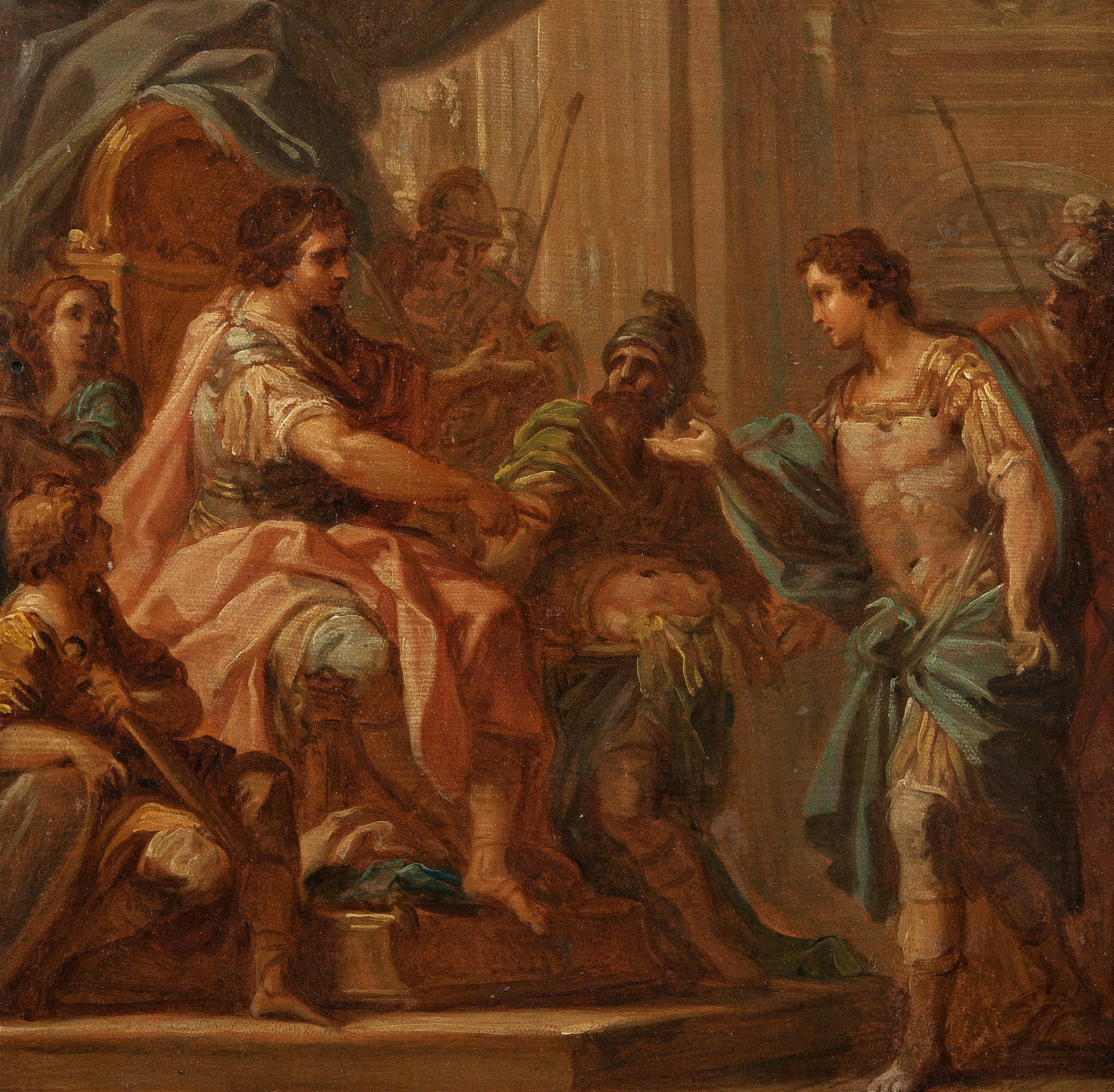
Alexander had first-hand experience of Phillip’s hatred of the Persians as a young man. No doubt it rubbed off on him. When Phillip died, Alexander took the throne at age 20, and he also took up his father’s unfinished war plans — but he wouldn’t be content with simply defeating the Persians in a war, he had to completely annihilate them.
The more Persian lands Alexander conquered, the clearer this fact became.
No Half Victories
After the Battle of Issus, which the Macedonians won decisively, the weakened Persian king Darius sued for peace. Most victors would have happily taken the deal, as it gave Alexander considerable lands and kept the Persians at a safe distance from Macedonia
But Alexander did not do half-victories. His mind was always on the larger goal — not just to injure the Persians, but to destroy them outright.
The historian Arrian records in his work The Anabasis of Alexander, that the king replied to the Persian king’s offer with the following letter:
“Your ancestors came to Macedonia and the rest of Hellas and did us great harm, though we had done them no prior injury. I have been appointed leader of the Greeks, and wanting to punish the Persians I have come to Asia, which I have now taken from you.”
He then warned Darius to surrender immediately or he would pursue him to the ends of the earth. Alexander was basically saying that the fight would never end until either himself or the Persians were annihilated.
It shows that Alexander would not let lesser victories cloud his vision of total victory. He was singularly focused on his grand conquest of Persia and beyond.
No Distractions
This singular focus showed itself in Alexander’s day to day actions in that he avoided many of the distractions that typically preoccupy men of his rank.
Most rulers would be content to enjoy the spoils of war — namely women, good wine, and wealth. But Alexander was different. In fact, before he left Macedonia after becoming king, he was encouraged to marry and sire an heir, but he wanted to invade Persia so quickly that he never made time for it. In his mind, women took second place to conquest.
Likewise, after his victories over Darius, Alexander was given the traditional 360 concubines fitting of a Persian king, but apparently he rarely — if ever — touched them. Again, his focus was on his mission.
The same went for food and wine, even though some fits of drinking did indeed get Alexander into trouble during his life. But Plutarch records that he was, in general, quite temperate in this area. And this directly contributed to his success as a leader and conqueror. Plutarch writes:
“In his diet, also, he was most temperate… He was much less addicted to wine than was generally believed…For when his affairs called upon him, he would not be detained, as other generals often were, either by wine, or sleep, nuptial solemnities, spectacles, or any other diversion whatsoever; a convincing argument of which is, that in the short time he lived, he accomplished so many and so great actions.”
Alexander’s teacher as a young child, Lenoidas of Epirus, is often credited with instilling this discipline in Alexander. He would take the young Macedonian prince deep into the wilderness on grueling expeditions to build toughness, and also check his room for hidden sweets the young king’s mother may have snuck him to avoid becoming soft.
Alexander certainly wouldn’t have been able to accomplish all he did if he was too distracted by the material aspects of life.
Yearning for the Edge of the World
There’s an ancient Greek word often associated with Alexander that I think perfectly describes where his focus was at all times. It’s called pothos.
Pothos basically means a deep, restless longing or desire for the unattainable and the unknown. But it’s almost a religious feeling, something that has a perhaps divine origin, in that it can’t be fully explained. Alexander had this pothos to push his army past the map’s boundaries and conquer the ends of the earth.
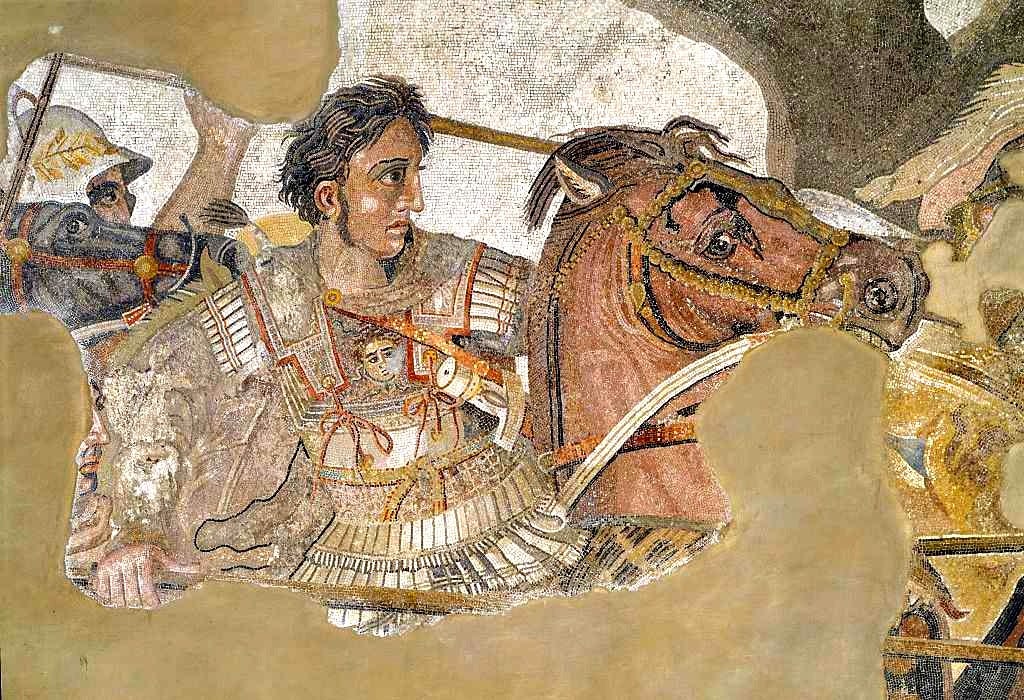
When you study Alexander’s life, you understand that his singular obsession with pushing further into the unknown was indeed almost like a calling — like he couldn’t help but pursue it even if he wanted to give up. .
And this yearning drove everything he did — whether it was never accepting half-victories or stripping his life of excess distraction — his goal remained front and center.
But even an obsessive mindset can only get you so far – you actually need to carry out your mission in the real world, not just long for something in your head. So you need something that separates the daydreamers from the doers, and that is courage.
