

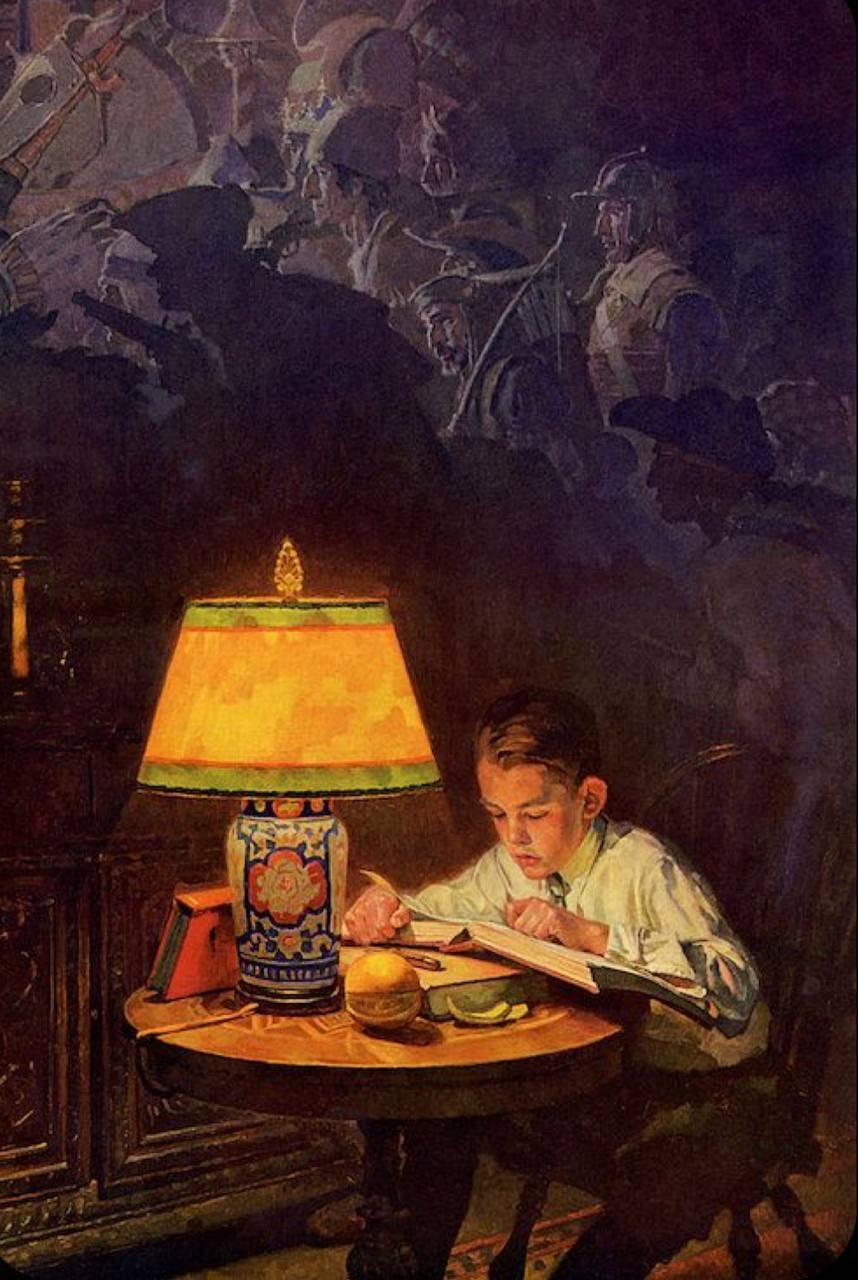
You’ve probably heard it said: “it doesn’t matter what you read, just read something.” It’s a popular sentiment among teachers and librarians who earnestly want to inspire a life-long literary habit among the younger generations.
They have a noble aim, but there’s just one problem: their advice is dead wrong.
In actuality, what you read is extremely important. And if you’re reading in order to better understand the world, reading a bad book vs. a good one is the difference between believing outright falsehoods and seeing the world as it really is. The act of reading a book doesn’t shield you from the nonsense that’s present in any other form of media. Bad information is bad information, regardless of the source.
If you look at the bookshelves of any bookstore today or browse the trending category of online sellers, you’ll see a constant influx of new, enticing covers that promise you life-changing information. New tricks and techniques that have only just been discovered recently. You might think you’re missing out by not reading these books, but in most cases you’re better off completely ignoring them.
Your best bet of finding anything worth reading — information that is actually life-changing — is by looking back to books that were written long before you were born. You’ll learn that most new books aren’t really telling us anything new at all. At best they’re repeating watered down versions of what the ancients already told us, and at worst, spouting complete nonsense.
Here are three reasons why old books are where you should focus your time— and I’ll even give you some recommendations to get started.
Reminder: You can support us in forming minds and rebuilding the West by unlocking our members-only content:
✔️ Full premium articles every Tuesday
✔️ The entire archive: Western history, literature, and culture
✔️ The Great Books lists (Hundreds of titles that influenced Western thought)
Join to start reading and support the mission today 👇
Survivorship Bias
The first reason that you should read old books over new ones is for the very fact that we still have them around at all.
What do I mean?
If a book is worthless, it doesn’t stay in circulation for more than a few years. You don’t remember all the forgettable books you read when you were younger for the very reason that they were forgettable. They were useless or didn’t provide any real insight. You read them, but you didn’t retain anything from them, and you certainly didn’t recommend them to others..
Now imagine the flip side. Good books have staying power. They stay in circulation a long time, and are passed down for generations. If you read a good book as a child, it stays with you. You might even remember the cover, the illustrations, and the characters. You also remember how the book made you feel, and maybe have suggested it to others or plan on letting your children or future children read it.
Now imagine how useful or important a book has to be to be remembered hundreds or even thousands of years after it was written. So many people have read it and recommended it that it has been preserved for generations.
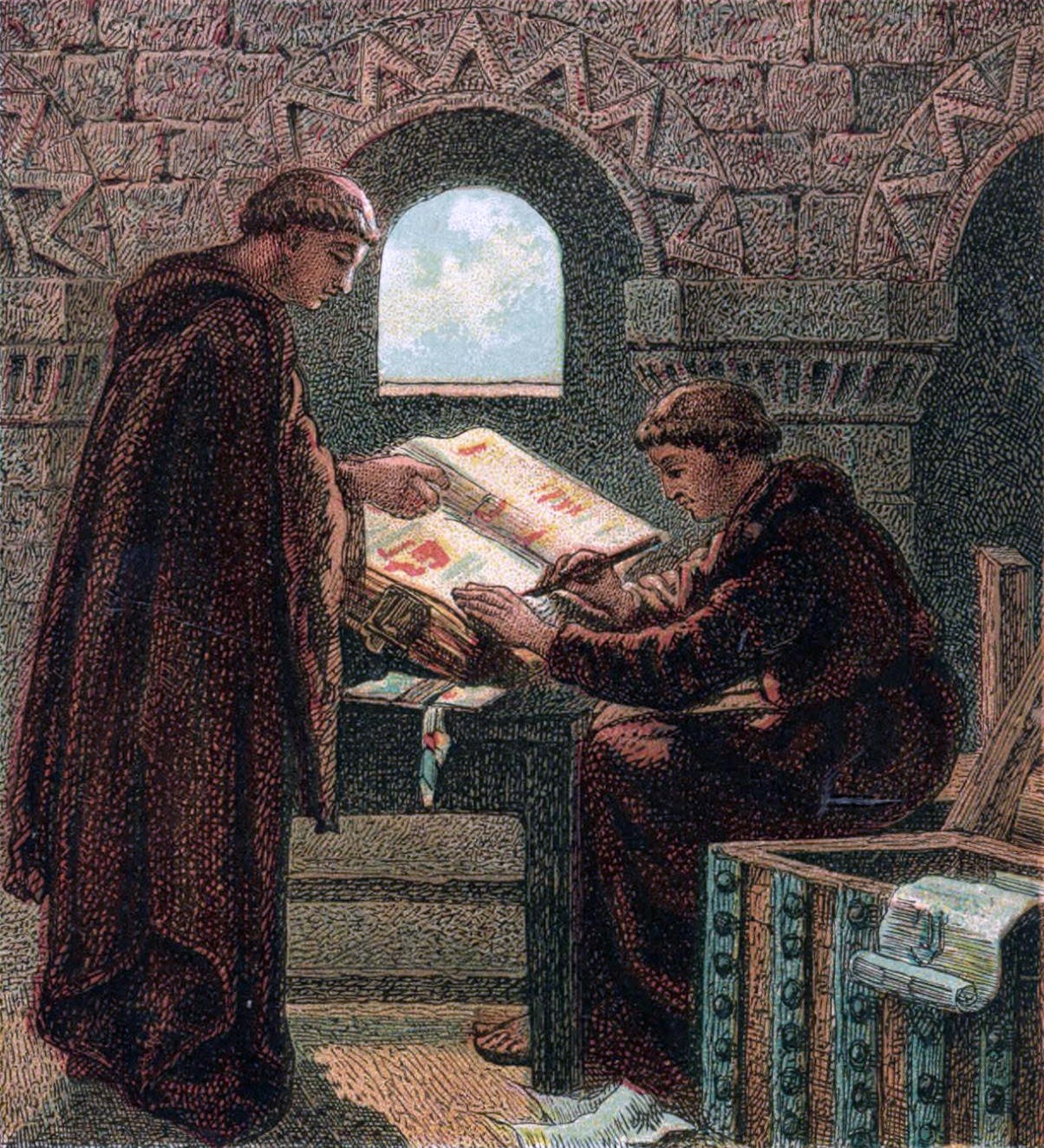
This is called survivorship bias. We only have the very best of the ancient books (in general) because they were the very best. They are not good because they are old. They are old because they are good. Something about them speaks to the human spirit or shed light on a vital topic that remains relevant generation after generation.
Shakespeare is still taught 400 years after his death because his characters embody human nature. We still read Machiavelli because his formula to obtain power remains relevant for leaders today. And we keep coming back to Aristotle and Plato after two millennia because they took on the big questions that we still wrestle with.
This is a humbling realization when you understand that even the great historical figures were reading the ancients, and those ancients were reaching back even further in time to read authors long before them. The same books have been shaping our civilization throughout its existence — generations have been reading and building upon the same canon of literature until only recently.
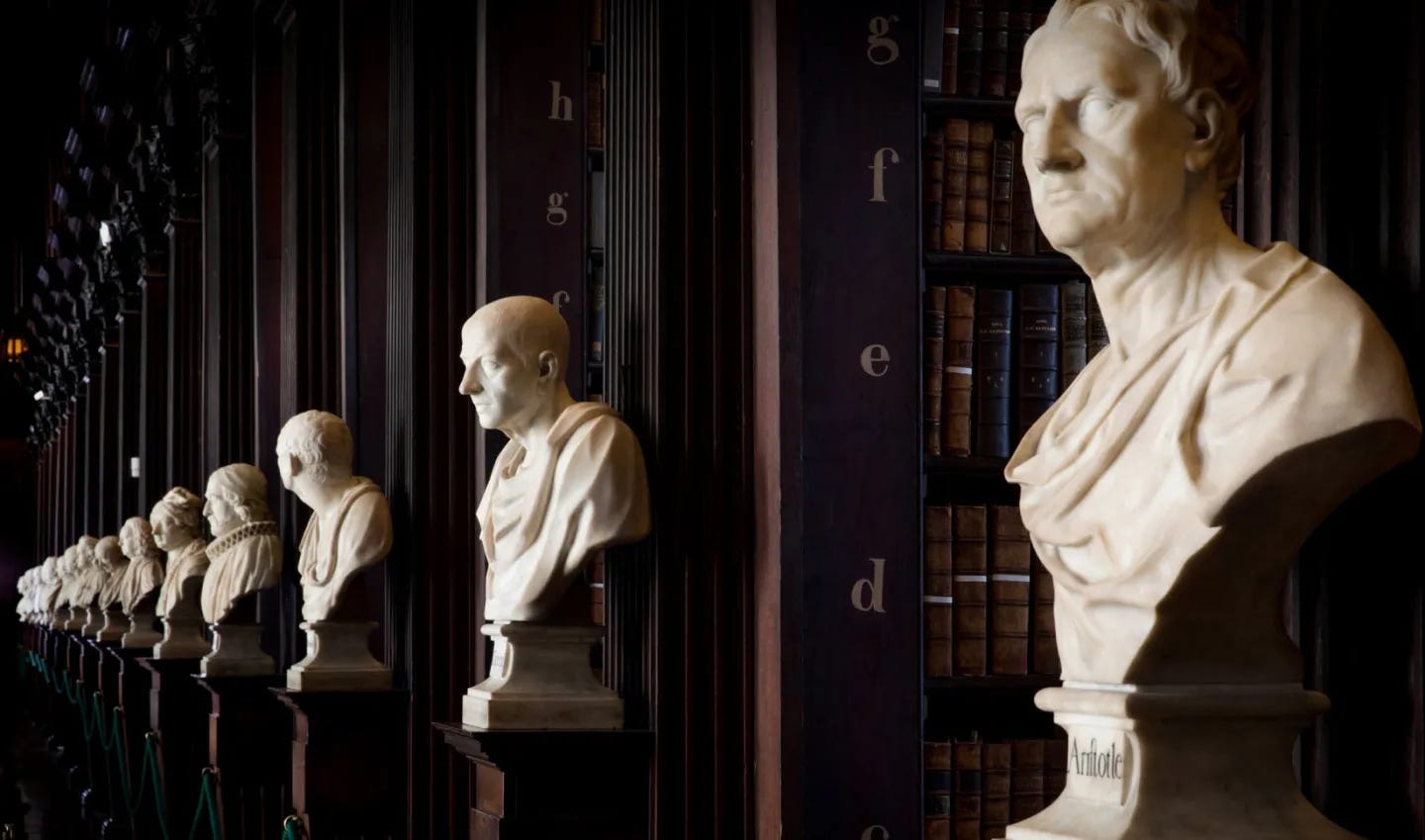
For example, Napoleon was obsessed with the work of Plutarch, Alfred the Great personally translated Boethius, and George Washington had a massive library of over 900 books, many of them historic works of the ancients. We’re continuously looking back to the same works because they’re timeless – they’ve stuck around so long for good reason.
I’d say it’s a good idea to continue this tradition and read what the greats did before us. Let’s reclaim this literary lineage. If a book has been around for a long time, it’s probably for a good reason.
Time Gives You a Wider Perspective Than Distance
The second reason you need to focus on old books is that the authors back then will give you a wider perspective on the world. Why?
The older an author is, the more likely it is that he or she will have had a life experience vastly different than yours or any other modern person. This means by reading them, you will gain a more exotic viewpoint than by reading someone similar to yourself.
Think of an ancient like Herodotus, whom Cicero called the “Father of History”. Instead of being an armchair historian, conducting his research via the internet, he personally travelled all over the Mediterranean world to collect first-hand accounts. His travels included Egypt, Persia, Syria, Babylon, and the Black Sea region.
Keep in mind this was a time when travel was extremely difficult and meant encountering dangerous situations like stormy seas, bandits, hunger, or disease — you couldn’t just hop a plane and arrive at your destination in a few hours. This breadth of experience made his writing much more in tune with his subject matter, and represents a worldview shaped by an environment vastly different than today.
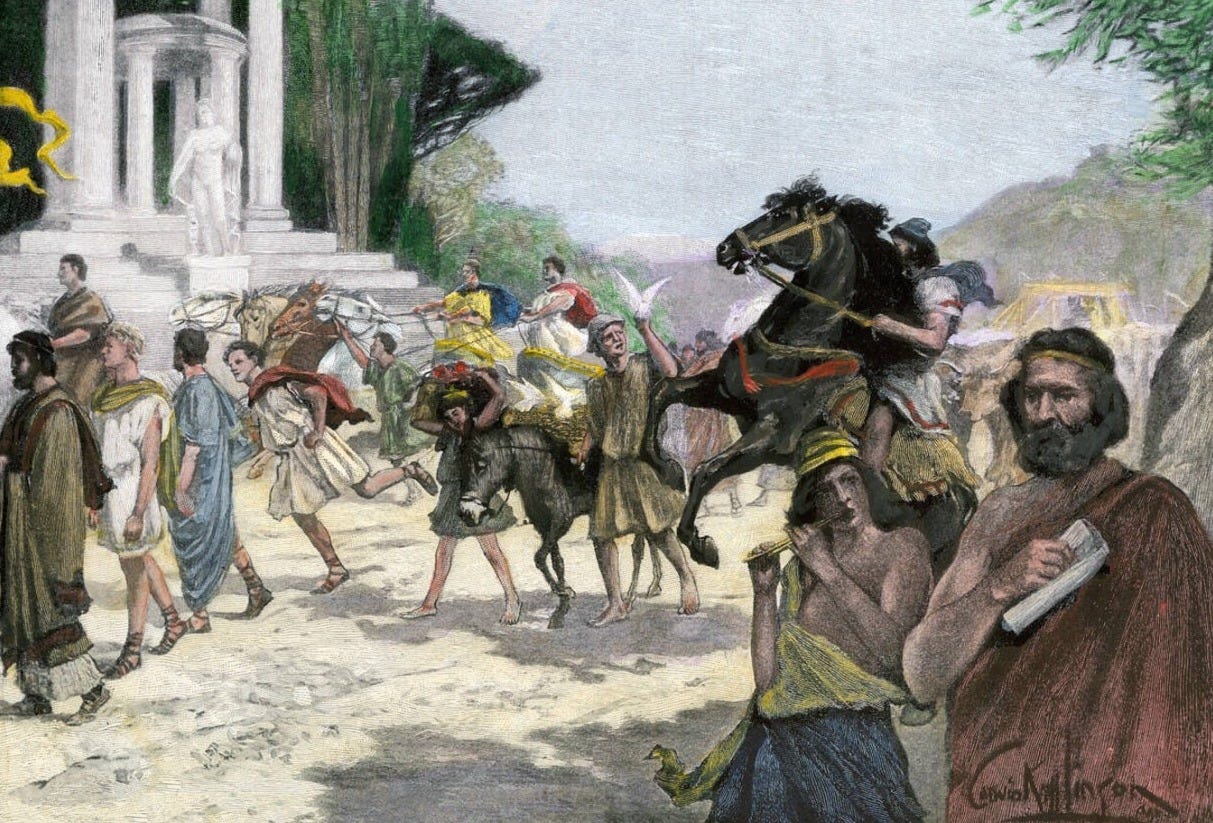
A modern historian can’t relate to a classical Athenian, but Herodotus could — so by reading him you’ll gain an authentic classical Athenian perspective. That’s more valuable for understanding the human condition than just another modern attempt at making the ancients sound relatable.
Contrast this with the uniformity of thought today:
