

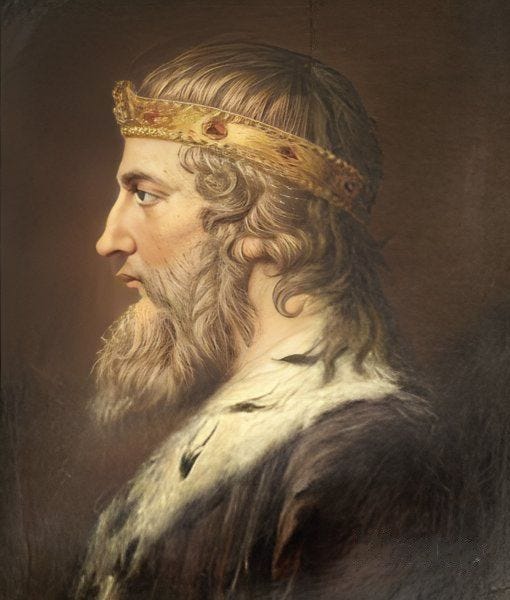
Few kings were as universally loved as Alfred.
Historian Edward Freeman called him “the most perfect character in history.” King of the Anglo-Saxons in the late 9th-century, he oversaw the complete revitalization of his realm — militarily, economically, and culturally.
But what was the key to Alfred’s success?
Vital to his leadership ethos was a firm belief that he had a divine mission — and was given authority by God Himself. But this wasn’t an excuse to abuse his power. Rather, he saw it as a responsibility to care for his people.
Here’s how Alfred led with strength while earning the love of his people…
Reminder: You can support us by unlocking our members-only content:
✔️ In-depth articles exploring the foundations of the West
✔️ Access the full archive of content
✔️ Our bite-sized “Art of the Week” digest delivered directly to your inbox
Join to start reading and support the mission today 👇
Leading Through the Fog
Before his rule, England had been plagued by Viking invasions going back a century.
By the time the crown of Wessex would pass to Alfred, the Danes’ “Great Heathen Army” had already conquered much of east England, from York down nearly to London. Immediately upon his kingship, Alfred’s kingdom faced two defeats, forcing him to make peace — likely with large sums of silver — such that the Vikings left Wessex for the next five years.
But his days were only turning darker. The year of 878 would mark the lowest point for Wessex. While celebrating Christmas at his royal stronghold at Chippenham, the Danes launched a surprise attack — killing most of the inhabitants. Providentially, Alfred escaped through wood and swamp with a band of defenders, fortifying a small island in the Somerset marshes. It’s from the depths of this swamp that Alfred would begin his fight back, but Wessex stood alone against the strength of the Vikings.
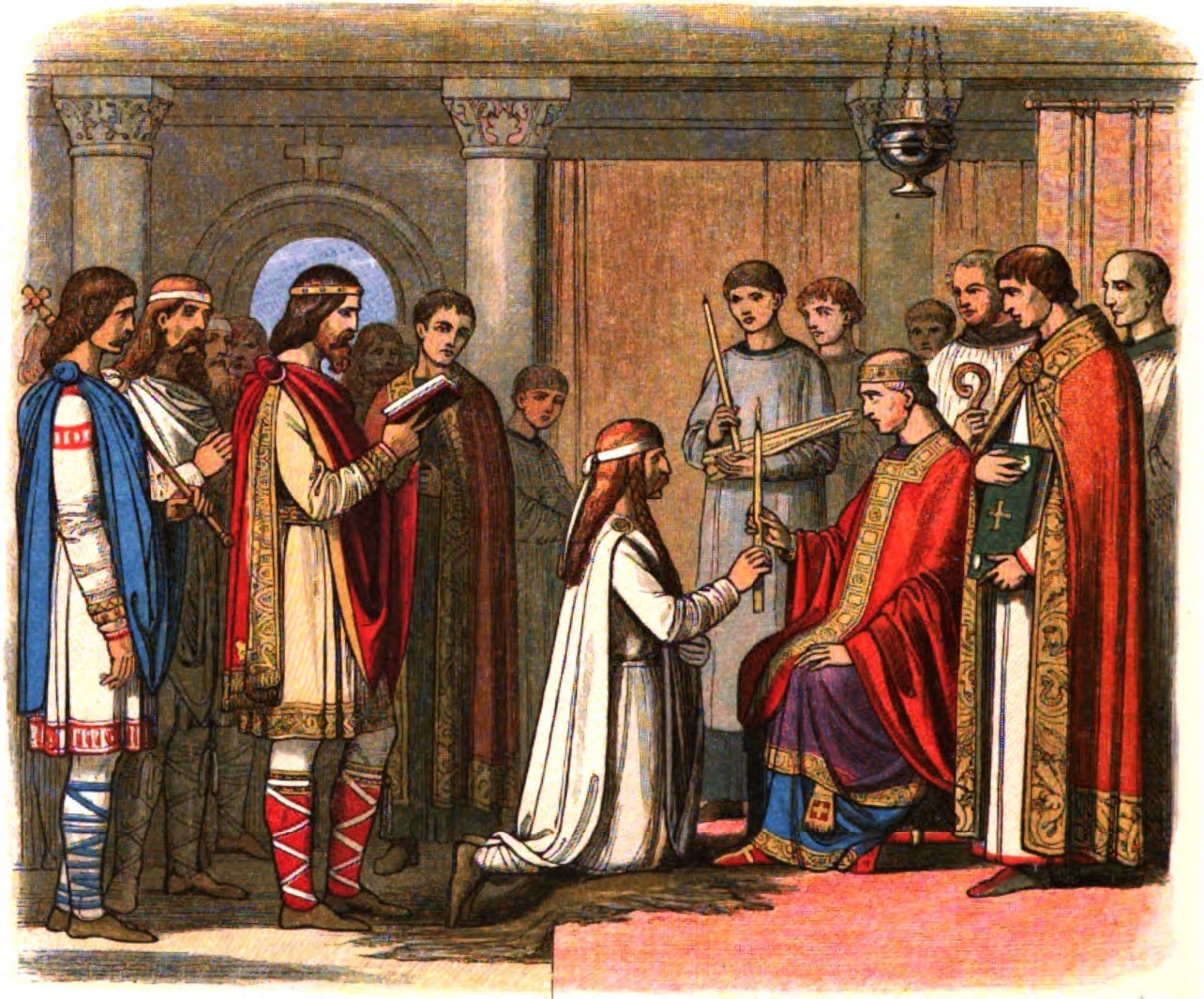
From his swamp castle, Alfred rallied locals from the surrounding three shires to his cause for a free Wessex. His militia army met the Vikings led by Guthrum at the Battle of Edington with a decisive victory. Following their defeat, Guthrum’s Danes were forced to surrender after a siege at Chippenham. The terms of the surrender? A baptism of the Danish leader Guthrum at Alfred’s court at Aller, with Alfred as the godfather.
Soon after the Christianization of Guthrum, Alfred’s kingdom inherited a large portion of the northern kingdom of Mercia, raising his status from King of Wessex to now King of the Anglo-Saxons.
Alfred was on his way to becoming Alfred the Great, but his work was far from done.
Saving England
When Alfred was just six years old, his mother offered a book of poems to the brother who could memorize it the fastest. Alfred — not the oldest by any means — won it, endearing him to lifelong learning and foreshadowing his later focus on education.
Though Guthrum’s threat was no more, the larger Viking threat continued to destabilize Wessex and neighboring kingdoms. To Alfred’s dismay, monasteries were razed, learning and literature diminished, and lawlessness abounded in the absence of adequate defenses. He lamented:
"learning had declined so thoroughly in England that there were very few men…who could understand their divine services in English or even translate a single letter from Latin…”
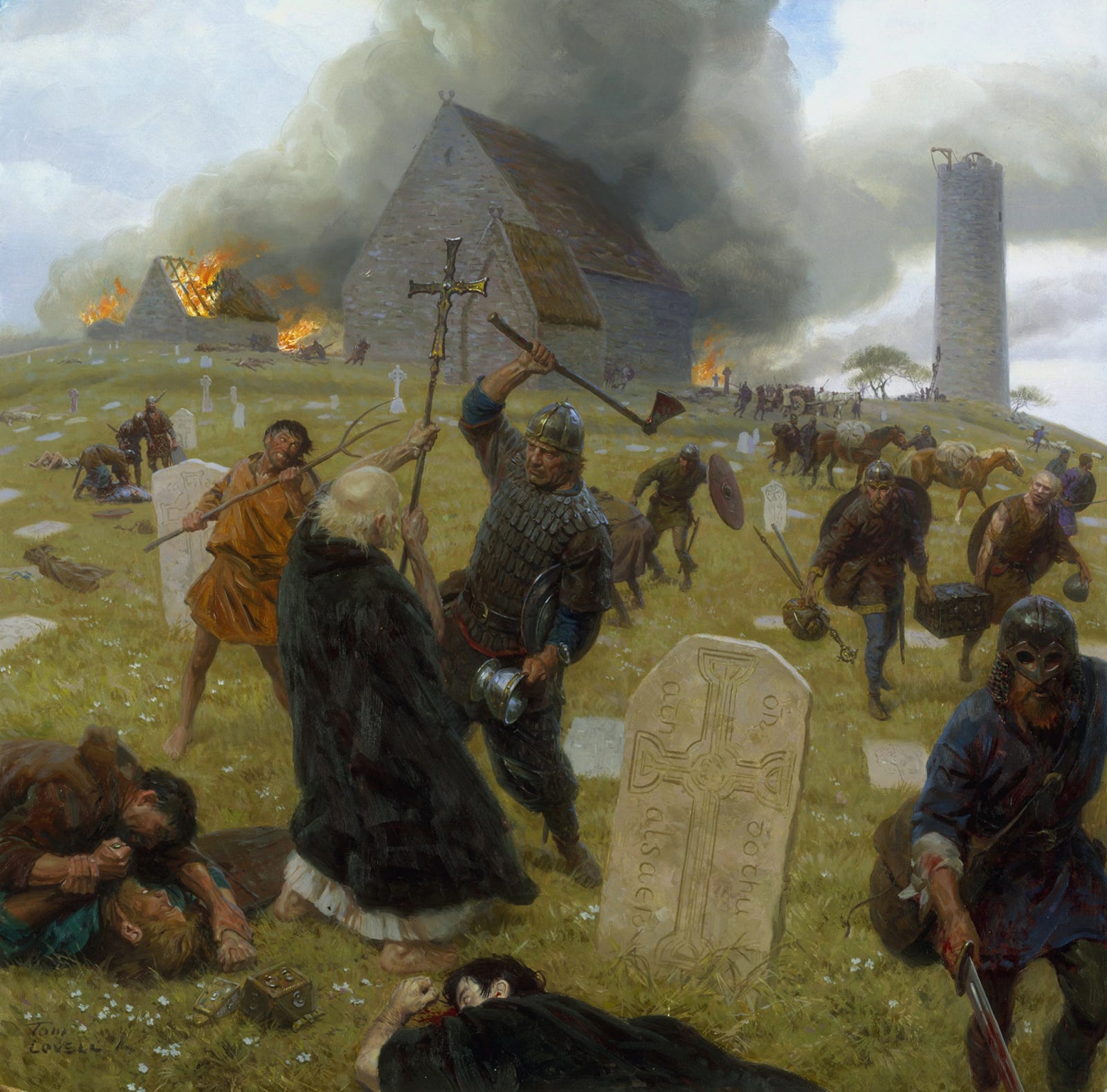
Manuscript production had all but stopped and existing literature was lost in fires as churches and monasteries fell prey to vicious Viking attacks. The Danes had decimated cultural development in England, making it perhaps the darkest place in 9th century Christendom.
Alfred planned to reverse this decline. But his motivation for defending his people and revitalizing their culture went deeper than mere ambition or love of country…
