

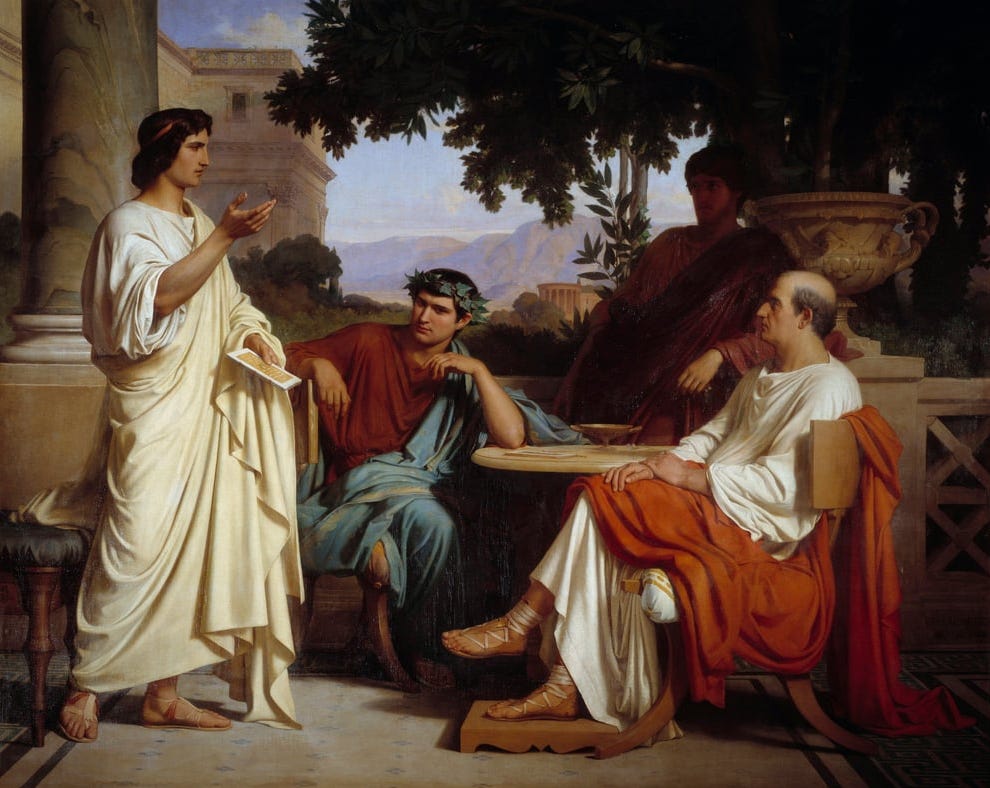
A generation before Christ’s birth, the Roman poet Virgil wrote a poem about the coming of a divine savior to lead the world into paradise.
Little did he know, his poetry would become prophecy.
Around 42 B.C., Virgil set to work on his first major work, Eclogues (or Bucolics). Following inspiration from his Greek predecessor Theocritus, Virgil envisioned a Roman mythical poem reflecting the turbulent period during its writing.
Over time since Christianity’s birth, Virgil’s fourth part in his Eclogues has drawn particular interest for its prediction of a boy destined to assume a divine rule over the earth and usher in a period of peace and plenty: in everyone’s mind, Jesus.
However, scholarly opinion on the meaning of the poem varies widely. Some interpretations thought the child to be a descendent of Marc Antony and Octavia the Younger. Modern scholars tend to interpret the poem as metaphorical, with the boy representing Virgil’s own poetry. But the most interesting interpretation of the savior child depicted by Virgil is a foretelling of Christ.
Late Roman and Medieval era figures, such as Emperor Constantine, St. Augustine, and Dante Alighieri believed Virgil to have written a prophetic poem of the Christ to come. Later poets, like the 18th century’s Alexander Pope, believed the same.
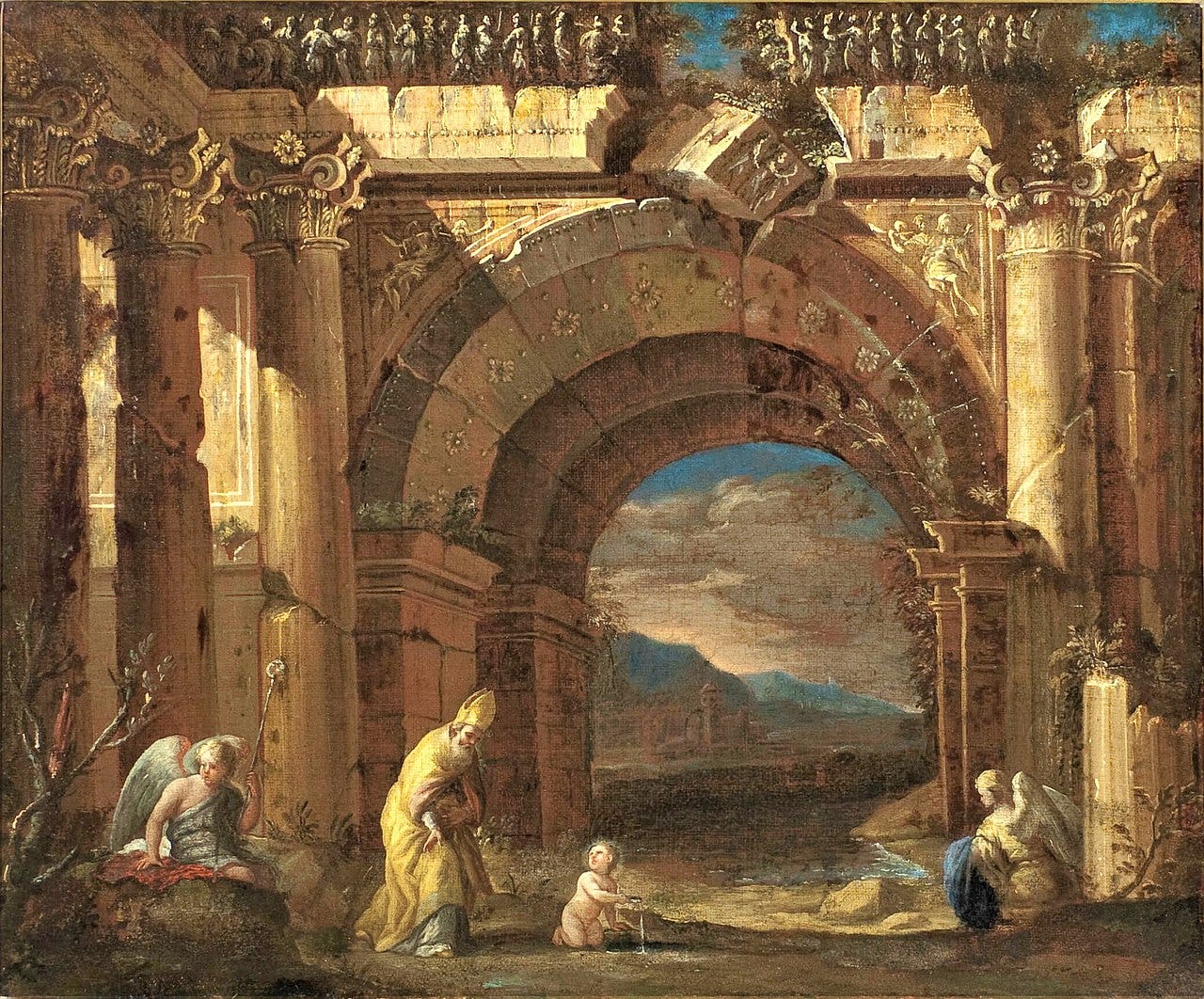
Even modern scholars, nonetheless, admit Virgil’s Fourth Eclogue to contain highly religious language.
Let’s look at how Virgil seemingly predicts Christ on three occasions: through mention of a divine savior, birth by a Virgin, and a return to the Garden.
Reminder: You can support us by unlocking our members-only content:
✔️ Full articles every Tuesday
✔️ The entire archive of content: Western history, literature, and culture
✔️ The Great Books lists (Hundreds of titles that influenced Western thought)
Join to start reading and support the mission today 👇
The Divine Savior
The central figure of Virgil’s poem is a divine savior: a boy of godly origin who would grow to rule the world and herald paradise. But this wouldn’t just be any hero. Virgil wrote how by this new savior, guilt itself would vanish from the world:
Then shall great months their wondrous course commence
Under thy rule what trace may yet remain
With us of guilt, shall vanish from the earth
Leaving it free for ever from alarm.
In a similar way, of course, Jesus would defeat sin and thereby pay the final price for all humanity’s collective guilt. But Virgil continues further how this new savior wasn’t merely an earthly power, but a life granted by a divine or perhaps heavenly power:
He will accept his life as of the gods
With whom the heroes mingle; seen by them
Lastly, this savior would wield the power given to him by his father, just as Christ would contain the power of the Almighty:
The whole world will he rule, now set at peace
By his great father's power: to him shall bring
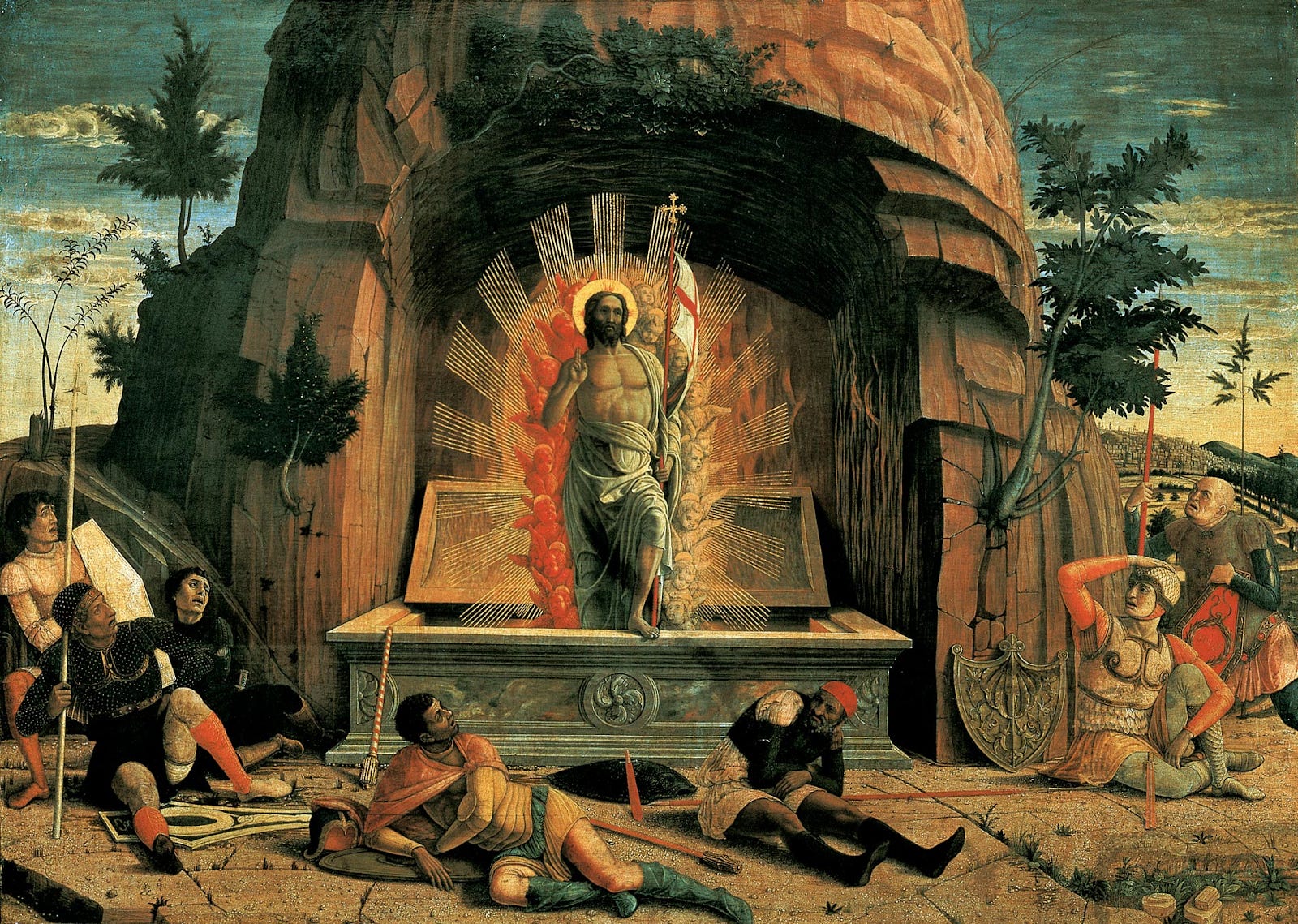
For Virgil to write this during a time of Roman Empire’s domination could even be read as suggesting this new savior would conquer Rome itself, which Christ did — not by his earthly power — but by the power he instilled in the Church.
The extension of Christ’s power through the Church would convert the Roman Empire, its soldiers, its emperors, until Rome itself became the Christian seat of power.
Next, we look at the Virgin…
