


In 1962, the magazine The Christian Century posed a question to C.S. Lewis: “What books did most to shape your vocational attitude and your philosophy of life?”
Lewis came up with a list of ten works, ranging from epic poetry to deep theological explorations. Despite the wide variation in his list, one theme jumps out — most of his selections contemplate the nature of the relationship between man and God. It’s easy to see how Lewis’ own works reflected this theme. The Chronicles of Narnia series became well-known for its Christian allegory and most of his best selling works dealt with spiritual matters, too.
So let’s explore the ten books that shaped Lewis into the deeply spiritual and thoughtful writer he became. It’s a list of time-honored classics and rare gems...
Reminder: You can support us in forming minds and rebuilding the West by unlocking our members-only content:
✔️ Full premium articles every Tuesday + Free content Thursdays
✔️ The entire archive: Western history, literature, and culture
✔️ The Great Books lists (Hundreds of titles that influenced Western thought)
Join to start reading and support the mission today 👇
1. The Consolation of Philosophy, Boethius

The Consolation was penned by a persecuted Roman official, Boethius, during a tumultuous time in the empire’s history. Reflecting on the fickleness of fortune, Boethius laments his unjust suffering but is rescued from his despair through conversation with the personification of philosophy, Lady Philosophy.
Through their dialogue Boethius arrives at a surprising conclusion: misfortune can actually be a good thing, and God has ordered the universe so that all — even the wicked who rule with impunity — are given their due.
Boethius serves as a bridge between the Roman mind and the medieval Christian ethos. It’s no surprise his work was one of the most widely read publications of the medieval world.
2. Theism and Humanism, Arthur Balfour
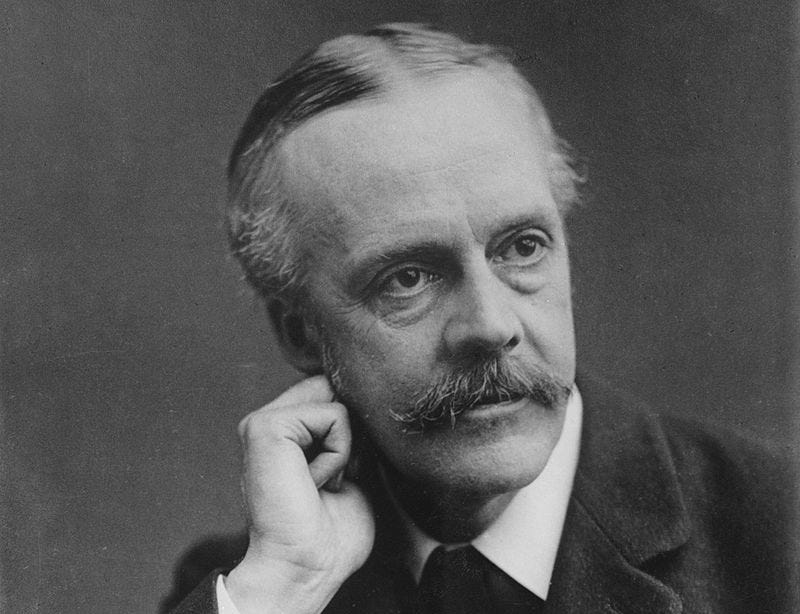
Based on a 1914 lecture, Balfour explains why the philosophy of naturalism— the view that all things can be explained by purely physical laws — is insufficient to ground the values humans hold most dear. He contends that if our cognitive faculties are just tools for survival rather than truth-seeking, we have no reason to trust our scientific or intellectual conclusions in the first place.
Additionally, Balfour challenges naturalists to explain phenomena like art, human reason, and human rights. He states his purpose for writing the work as “My desire has been to show that all we think best in human culture…requires God…”
3. Descent into Hell, Charles Williams
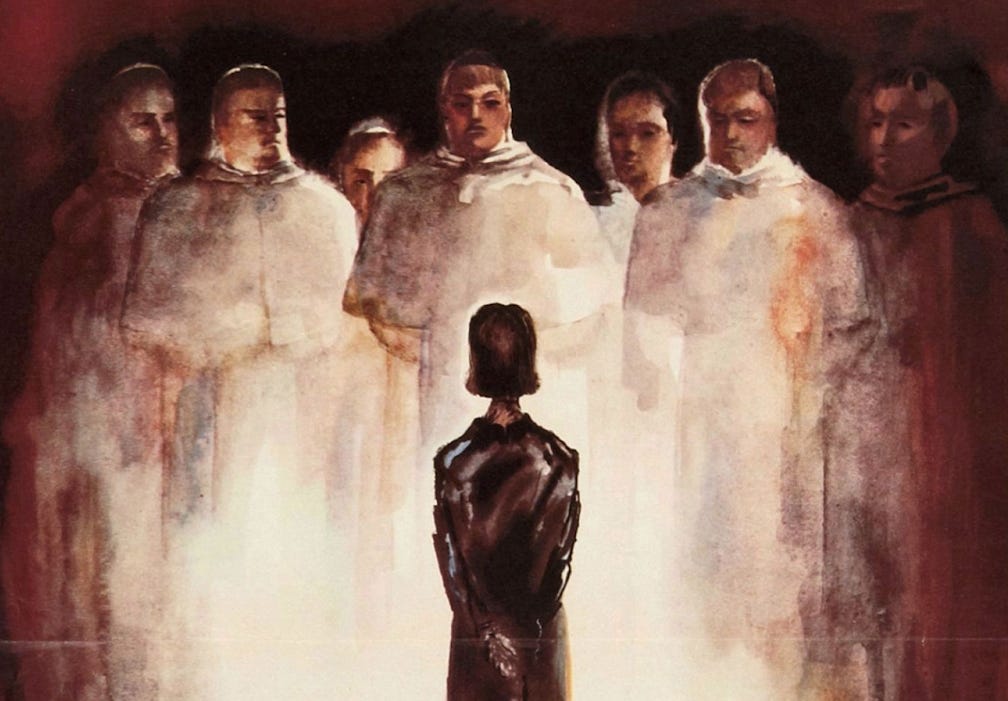
Written by one of Lewis’s fellow “Inklings” — the literary group both he and Tolkien attended — the novel is a spiritual tale about humans who isolate themselves due narcissism, making it impossible to truly love one another. Due to their inability to love, they find themselves in Hell.
The characters’ spiritual fates shed light on Williams’s Doctrine of Substituted Love, which is the belief that because all human beings are spiritually interconnected, they can literally carry one another’s emotional, physical, and spiritual burdens. It is based on the biblical command in Galatians 6:2: “Bear ye one another’s burdens, and so fulfill the law of Christ.”
The themes of Williams’ work are reminiscent of Lewis’ novels The Great Divorce and The Screwtape Letters.
4. The Life of Samuel Johnson, James Boswell

Thomas Carlyle once called it “beyond any other product of the eighteenth century” and is widely considered one of the greatest biographies in the English language. It details the life of English writer Samuel Johnson, “one of the most distinguished men of letters in English history”.
Boswell’s work revolutionized the biography genre by moving beyond a dry record of dates to capture Johnson’s wit and wisdom through verbatim dialogue and personal anecdotes. Having befriended Johnson in 1763, Boswell spent two decades recording his mentor’s passionate opinions on everything from religion to tea-drinking.
5. The Idea of the Holy, Rudolf Otto
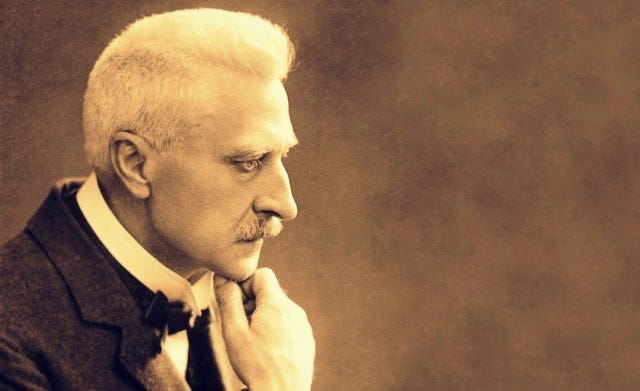
Otto’s work had a big impact on religious studies in the 20th century. It explores a phenomenon called “the numinous” — a “non-rational, non-sensory experience or feeling whose primary and immediate object is outside the self.” He argued that religious language is merely shorthand for experience that words cannot capture. By identifying the numinous as the non-rational core of faith, Otto provided a framework for understanding why multiple religions share a common sense of awe.
